
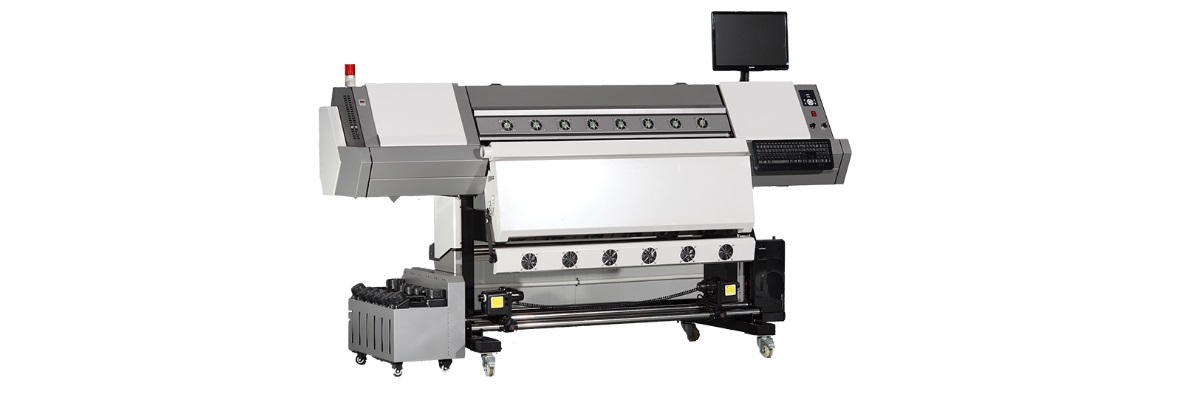
The textile printing landscape has evolved dramatically with the introduction of digital technology. Understanding the differences between digital and traditional printing methods is crucial for making informed investment decisions.
Traditional Screen Printing
Screen printing has been the industry standard for decades. While reliable, it comes with certain limitations:
- High setup costs for each design
- Minimum order quantities required
- Limited color complexity
- Longer turnaround times
- Environmental concerns with ink waste
Digital Textile Printing Advantages
Digital printing technology offers transformative benefits:
No Setup Costs
Each print is produced directly from digital files, eliminating the need for screens and reducing setup costs to near zero.
Unlimited Design Flexibility
Complex patterns, photographic images, and unlimited colors can be printed with equal ease.
On-Demand Production
Small batches are economically viable, enabling customization and reducing inventory waste.
Faster Time-to-Market
New designs can go from concept to production in hours rather than weeks.
Making the Right Choice
The best printing method depends on your specific needs. Digital is ideal for short runs and complex designs, while traditional methods may still be cost-effective for very large runs of simple patterns.
Explore our range of Aura Digital Printing solutions to see how this technology can benefit your operations.