
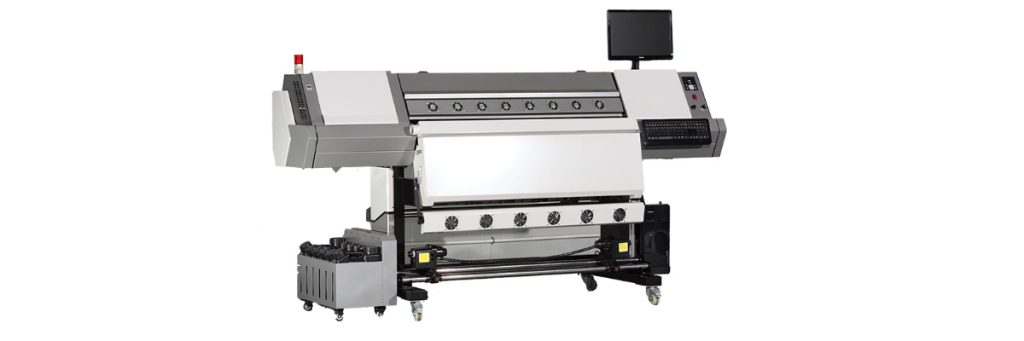
The textile industry is standing at the precipice of its most significant transformation since the invention of the power loom. For decades, fabric decoration was a domain dominated by analog giants: screen printing, rotary printing, and heat transfer. These methods, while effective for massive bulk orders, came with a litany of hidden costs—water waste, toxic dyes, lengthy setup times, and an inability to handle the modern demand for personalization. Enter the era of digital textile printing, a technological leap that has democratized fabric production. At the heart of this revolution lies a new class of machinery designed to bridge the gap between high-volume industrial output and the agility of on-demand printing. This is no longer a niche trend; it is the new industrial standard for designers, entrepreneurs, and large-scale manufacturers alike.
To understand why digital textile printing is overtaking traditional methods, one must first examine the inefficiencies of the old guard. Traditional screen printing requires creating a separate, expensive screen for every color in a design. If a fashion brand wanted to print five different colors on a single run of fabric, they needed five screens. Changing a design mid-run was impossible without physically stopping the line, stripping the screens, and starting over. This process is not only labor-intensive but environmentally catastrophic; the industry has long been one of the world’s largest polluters, dumping millions of tons of untreated dye into water systems. Digital textile printing solves these problems by acting exactly like your office printer, but on a massive, industrial scale. It sprays microscopic droplets of dye directly onto the fabric, allowing for unlimited colors, complex gradients, and seamless design changes with the click of a mouse.
The market is currently flooded with various printing solutions, from small desktop DTG (direct-to-garment) units to massive, room-filling industrial carpet printers. However, a new benchmark has emerged for serious producers who need reliability without sacrificing creativity. This is where the conversation turns to specific, engineered solutions that offer precision, speed, and versatility. For businesses looking to scale from prototyping to full production runs without buying separate machines for different fabric types, the choice of hardware becomes critical. You need a machine that handles cotton as well as it handles silk, polyester, and linen. You need a machine that minimizes downtime for cleaning and maintenance. And increasingly, you need a machine that uses eco-friendly, water-based inks that are safe for workers and the planet.
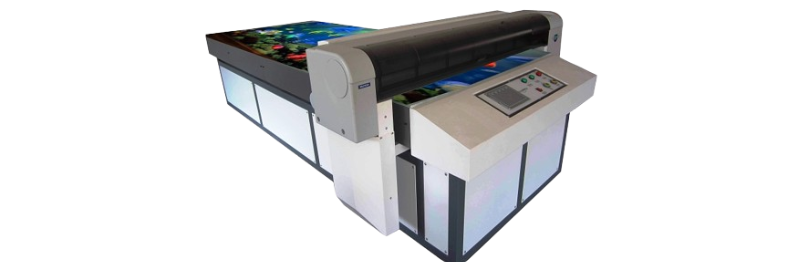
The Aura Digital Textile Printing Machine represents the culmination of these industrial demands. Unlike entry-level printers that struggle with fabric feeding or color consistency across long rolls, the Aura is engineered for continuous, high-definition production. Its core innovation lies in its advanced printhead technology and tension control system. Many textile printers fail because fabric, being flexible and stretchy, shifts during the printing process, resulting in “banding” (visible horizontal lines) or misaligned patterns. The Aura Digital Textile Printing Machine counters this with a synchronized belt transport system and optical sensors that track the fabric’s movement in real time. Furthermore, it utilizes a specialized ink circulation system that prevents the printheads from drying out or clogging—a common nightmare for digital textile operators. This allows the Aura to run for 24-hour cycles on heavy fabrics like denim or delicate fabrics like chiffon without a single misprint.
Beyond the hardware, the true value of a digital textile printer lies in its software and ink chemistry. The Aura platform is typically paired with a robust RIP (Raster Image Processor) software that converts digital artwork into machine-readable commands. This software handles color profiling, ensuring that the vibrant red you see on your computer monitor is exactly the red that appears on the final polyester fabric after steaming and washing. Moreover, the Aura is designed to work with reactive, acid, and pigment inks. For smaller studios without industrial steaming and washing lines, the pigment ink configuration is a game-changer. Pigment inks sit on the surface of the fabric and require only heat to cure, eliminating the need for post-treatment water baths. This means a business owner can print, dry, and ship a t-shirt or a roll of upholstery fabric within hours of receiving an order.
The business implications of owning a machine like this are profound. It enables the “just-in-time” manufacturing model that has saved the automotive and electronics industries. Instead of gambling on trends and warehousing thousands of meters of printed fabric that might go out of fashion, brands can print exactly what they need, when they need it. If an influencer promotes a specific dress pattern on a Tuesday, a brand using the Aura Digital Textile Printing Machine can produce those dresses on Wednesday and ship them by Friday. This speed-to-market is impossible with screen printing, which takes weeks just to set up the screens. Additionally, waste is reduced to nearly zero. If you need 50 meters of fabric for a limited edition run, you print 50 meters—not 500 meters to account for setup waste and minimum order quantities.
From an environmental standpoint, the shift to digital is urgent. Traditional textile printing uses approximately 40 liters of water per kilogram of fabric to wash out screens and unused dye. The Aura, especially when using high-fixation reactive inks, reduces water usage by up to 95%. Because the ink is applied only where needed (drop-on-demand), there is no excess dye to wash off. For brands marketing to Gen Z and Millennial consumers, who actively boycott companies with poor environmental records, investing in a low-waste printing solution is not just an operational decision; it is a branding imperative.
However, it is important to address the learning curve. The Aura Digital Textile Printing Machine is not a “plug-and-play” appliance for a hobbyist. It requires operator training in color management, printhead maintenance, and fabric preparation (pre-treatment). Fabrics must be free of oils and sizing agents to ensure the ink bonds correctly. Furthermore, while the machine itself is fast, the bottleneck often becomes the finishing equipment—heat presses, steamers, and washers. A wise business owner budgets for these ancillary devices alongside the printer. That said, the return on investment can be astonishing. A single Aura unit can replace an entire room of screen-printing tables and several employees, reducing labor costs and error rates simultaneously.
Looking to the future, the Aura represents a platform for innovation. We are already seeing integrations with AI-driven design tools where generative algorithms create patterns that are sent directly to the printer. There are developments in “phygital” textiles—fabrics printed with conductive inks that can power wearable electronics. As the Aura Digital Textile Printing Machine evolves, it will likely incorporate more automation, such as robotic roll changing and inline quality control cameras that use machine learning to spot and reject defective prints in real time. For the entrepreneur or production manager standing on the sidelines, the message is clear: the era of waiting weeks for fabric samples is over. The era of massive, wasteful inventory is ending. The digital thread is weaving a new textile industry, and machines like the Aura are the looms of the 21st century. If you are serious about competing in the modern fabric market, it is time to make the switch from analog screens to digital pixels.
Frequently Asked Questions (FAQs)
1. What types of fabric can the Aura Digital Textile Printing Machine print on?
The Aura is highly versatile and can print on natural fibers (cotton, linen, silk, wool), synthetics (polyester, nylon), and blends, depending on the ink configuration used (reactive, acid, disperse, or pigment).
2. Is the Aura machine suitable for small business owners or only large factories?
While it is an industrial-grade machine, there are scaled models within the Aura range that cater to small and medium-sized enterprises (SMEs) looking to produce on-demand collections without high minimum order quantities.
**3. How fast is the Aura compared to screen printing?
For short runs (under 500 meters), the Aura is much faster because there is zero setup time. For massive runs (10,000+ meters of the same pattern), traditional rotary screen printing is still faster, but digital is catching up rapidly.
4. Do I need special training to operate the Aura Digital Textile Printing Machine?
Yes. While the user interface is designed to be intuitive, proper training in color management, RIP software, and daily printhead maintenance is essential to ensure longevity and print quality.
5. How does the Aura handle fabric stretching and distortion?
The Aura uses an advanced synchronized belt system and optical sensors (often called “fabric feeding with tension control”) that actively monitor and adjust to prevent fabric shifting, ensuring perfect pattern registration.
6. Is digital textile printing environmentally friendly?
Yes, significantly. Compared to analog methods, digital printing can reduce water usage by up to 95% and energy consumption by 50%, as it only uses dye where needed and eliminates screen cleaning waste.
7. What is the lifespan of prints made by the Aura?
When using proper pre-treatment and post-treatment (heat setting or steaming), Aura prints are highly durable—often rated for 50+ industrial washes with minimal fading, comparable to traditional reactive dye prints.
8. Can I print white ink with the Aura machine?
Yes, depending on the specific model configuration. Many Aura units feature multiple printhead rows that allow for a white ink underbase, which is essential for printing vibrant colors on dark or black fabrics.
9. What are the maintenance costs associated with the Aura?
Maintenance involves replacing printheads every 12-24 months (depending on volume), buying inks, and routine cleaning solutions. The Aura’s self-circulating system reduces clogging, making operational costs lower than many competitors.
10. Does the Aura require special inks, or can I use any brand?
For warranty and performance reasons, you should use manufacturer-approved inks. The Aura is calibrated for specific viscosity and particle size; using third-party inks will void the warranty and likely damage the printheads.