
With rising energy costs and growing environmental concerns, energy efficiency has become a critical consideration for textile manufacturers. This guide explores strategies for reducing energy consumption while maintaining productivity.
Understanding Energy Consumption
In a typical textile facility, energy is consumed by:
- Production machinery (40-50%)
- HVAC systems (20-30%)
- Lighting (10-15%)
- Compressed air systems (10-15%)
- Other utilities (5-10%)
Key Strategies for Improvement
Modern Machinery Investment
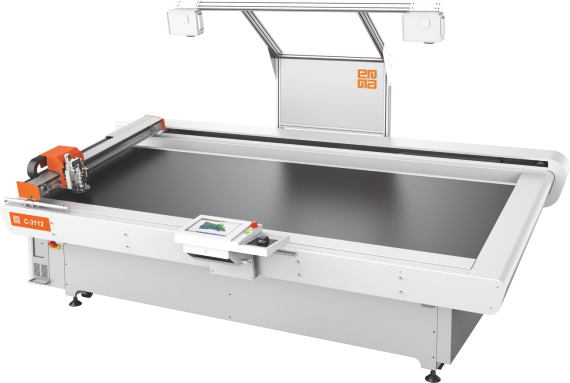
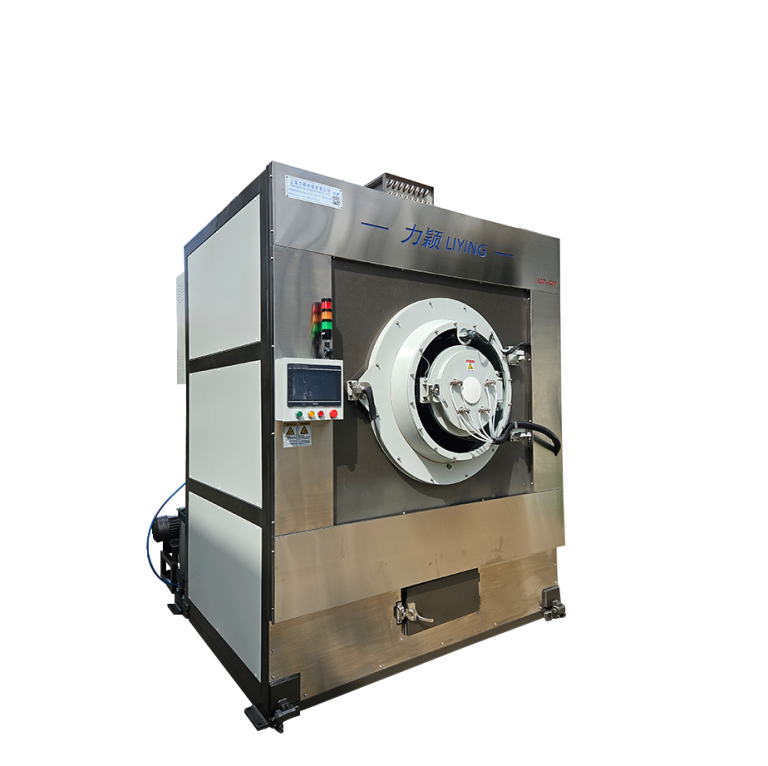
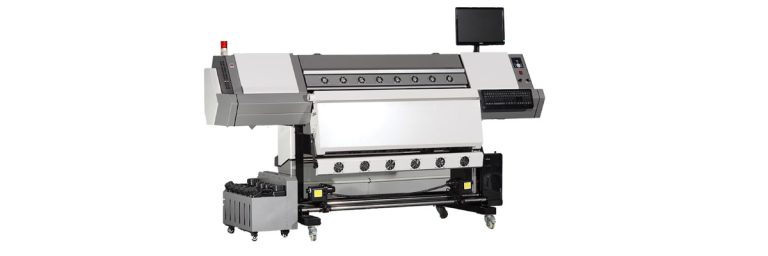
Newer machines are significantly more energy-efficient than older models. While the initial investment is higher, the long-term savings often justify the expense.
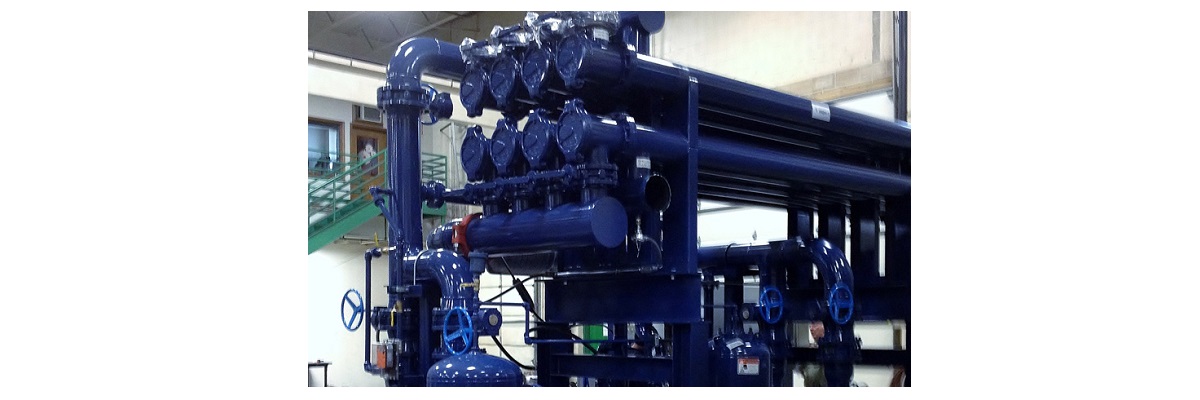
Industrial Cooling Systems
Efficient cooling systems can dramatically reduce energy consumption while maintaining optimal operating temperatures for machinery and workers.
Process Optimization
Analyzing and optimizing production workflows can reduce energy waste from idle machines and inefficient processes.
Smart Controls
Automated systems that adjust power consumption based on demand can significantly reduce waste.
TEXTILE SERVICES Co. Solutions
We offer a range of energy-efficient machinery and industrial cooling systems designed to reduce your operational costs while minimizing environmental impact. Contact us for an energy audit and recommendations tailored to your facility.