
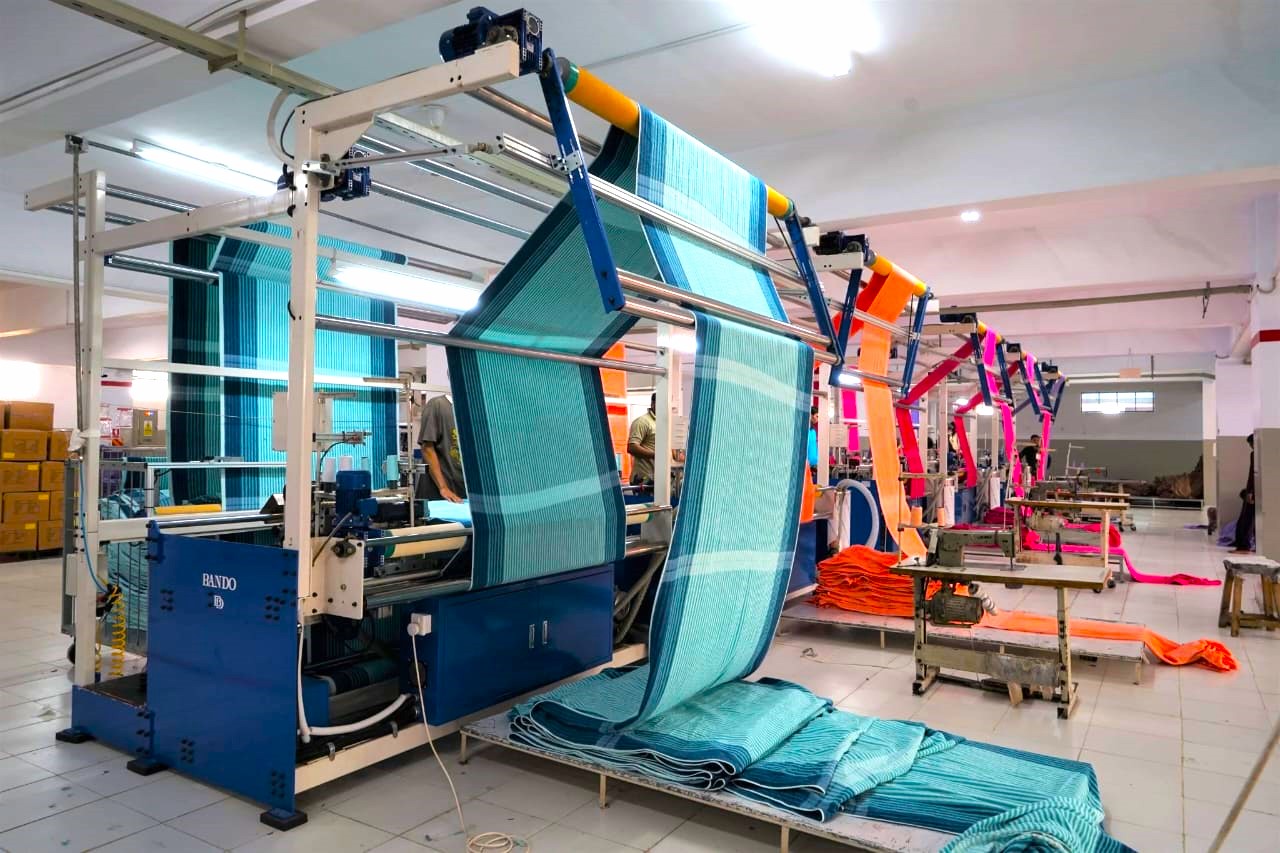
Textile finishing floors constantly battle the physical limitations of manual material handling. Relying on operator skill to manage high-volume quotas introduces a level of operational variance that physical machinery struggles to process. The financial drain of unplanned downtime compounds rapidly when aging equipment fails to maintain consistent output tolerances. When operators manually guide heavy fabric rolls through slitting stations, the continuous friction and inconsistent tension degrade critical mechanical components. Facilities experience massive profit loss because a minor alignment error early in the cutting phase translates into extensive material waste and frequent machine stoppages.
The physical strain placed on older drive belts and tension rollers during sudden manual stops creates micro-fractures inside the machinery housing. These structural weaknesses accumulate silently until they cause catastrophic failures that halt the entire factory floor for days. Maintenance teams are then forced to frequently recalibrate the machinery and replace burned-out drives. This chaotic workflow means throughput limits are dictated by human fatigue rather than true mechanical capacity. Managers find themselves constantly fighting unpredictable defect rates instead of focusing on capacity expansion and fulfilling large orders.
A More Connected Way to Stay in Control
These fundamental complications are solved when volatile human intervention is replaced with rigid programmable logic controller sequences, and Towel Automation helps make that transition practical. These intelligent systems process thousands of data points per second to orchestrate the movement of multiple mechanical axes simultaneously. A programmable logic controller responds to sensor inputs instantly without the cognitive delays of a human operator. The controllers adjust motor speeds, tension levels, and cutting depths precisely to match the pre-programmed digital specifications. This seamless coordination prevents the micro-jams and material bunching that often interrupt older manual factory setups.
Prevention of Progressive Width Drifts at the Source
Cumulative width error represents an incredibly expensive hidden cost affecting fabric finishing profit margins. Operators naturally struggle to maintain a perfectly straight edge as massive heavy rolls unwind into the processing units. A divergence of just a few millimeters forces the downstream hemming stations to either fold too much or too little material. This inconsistency causes highly visible aesthetic defects and severe structural weaknesses in the final packaged product. Traditional clamps and physical guides simply cannot react fast enough to prevent the fabric from drifting during high-speed continuous unwinding.
Implementing advanced textile finishing technology effectively shields production lines from these progressive width variations. Advanced slitting equipment utilizes photo-electronic fabric guides to constantly track the exact outer edge of the material. As the fabric moves through the processing zone, the cutters self-adjust independently based on real-time sensor data feeds. Facilities utilizing this approach observe a dramatic reduction concerning process waste. The sheer precision guarantees that every subsequent step inside the manufacturing process receives perfectly uniform components without requiring workers to manually trim defective edges.
The Growing Risk of Failure in Aged Drive Belts
Maintaining continuous operational flow prevents the severe torque spikes that damage critical internal motor components. When legacy machines undergo frequent stops and starts to correct alignment faults, the mechanical stress placed upon drive belts and cutting blades increases exponentially. Thermal expansion within poorly regulated machinery further exacerbates this issue by causing blades to dull prematurely. The financial burden involves the idle time of the workforce alongside the accelerated depreciation of vital capital assets. Facilities running legacy systems spend massive portions of their annual budget simply replacing fractured gears and exhausted internal mechanisms.
Aesthetic Defect Containment Prior to Hemming
Advanced strategies engineered into modern systems fiercely protect shrinking profit margins by utilizing in-process defect containment. Traditional machines often continue running even after a thread break occurs. This oversight ruins dozens of meters of valuable fabric before an operator notices the mechanical issue. Modern systems incorporate highly sensitive break detectors that halt the specific sewing section immediately upon sensing any physical disruption. This rapid mechanical response contains the defect to a mere few centimeters. Product rework becomes completely unnecessary or extremely simple to execute.
Exact Baseline Metrics for Factory Floor Output
Analyzing the hard performance metrics reveals the massive efficiency gap between traditional setups and modernized factory equipment. Automated slitting stations routinely achieve processing speeds reaching 30 to 50 meters per minute while maintaining absolute width uniformity. Cross-cutting operations manage 7 to 12 pieces per minute. This drastically outperforms the manual limit of 3 to 4 pieces. Automated hemming machines process up to 20 meters of fabric per minute while laying down three flawless stitches per centimeter. These figures directly translate into lowered operational costs per finished unit and provide financial planners with exact baseline data to forecast production capacities accurately.
High-Performance Heavy Duty Structural Architecture
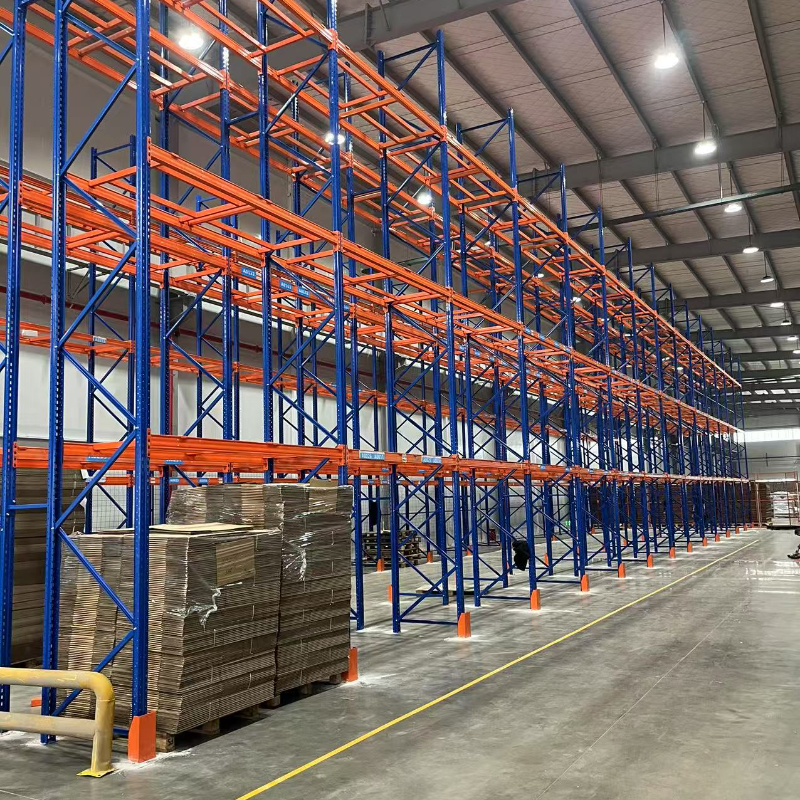
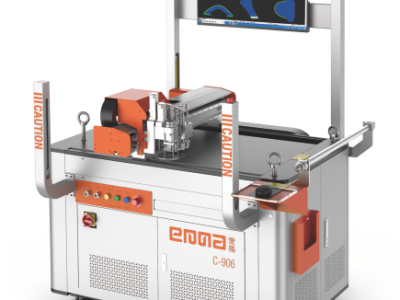
Building a fully optimized facility requires committing to a cohesive ecosystem of highly specialized processing equipment. High-performance hemming, slitting, and cross-cutting machinery must be designed to operate continuously for high-volume runs without requiring constant manual recalibration. The availability of custom machine widths ensures that the physical equipment perfectly matches the actual product portfolio of the individual factory. Tailored mechanical sizing eliminates the severe inefficiencies of forcing standard machines to handle non-standard fabric rolls.
A robust service infrastructure rigorously supports this advanced hardware to guarantee long-term operational success. Maintenance planning becomes highly predictable when utilizing dedicated knife sharpeners and receiving expert engineering training on precise replacement intervals. The intervals are based entirely upon actual usage data rather than visual guesswork. The structural engineering behind these heavy-duty machines ensures they easily withstand the brutal physical demands of continuous industrial operation. Facility managers can confidently scale their production volumes knowing the underlying mechanical architecture is built for absolute maximum endurance and reliability.
FAQ’s
How do micro-fractures develop in older textile machinery?
Sudden stops and starts caused by manual alignment corrections place immense stress on drive belts and rollers. This repeated physical strain creates tiny structural weaknesses in the housing that eventually lead to total mechanical failure.
What makes programmable logic controllers superior to human operators?
Programmable logic controllers process thousands of sensor data points per second. They adjust motor speeds and cutting depths instantaneously to match digital specifications without the inherent cognitive delay of a human worker.
Why is cumulative width error so costly for finishing lines?
A slight drift during the initial slitting phase amplifies as the fabric moves downstream. This forces hemming stations to fold uneven amounts of material and results in rejected products and significant fabric waste.
How do photo-electronic sensors track fabric movement?
These sensors continuously monitor the exact outer edge of the unwinding fabric roll. They feed real-time data back to the cutting mechanisms to dynamically adjust the blade path and prevent material drift.
What is the impact of thermal expansion on cutting blades?
Poorly regulated machinery running at inconsistent speeds generates excess heat. This thermal expansion causes slitting and cross-cutting blades to dull prematurely and require constant expensive replacements.
How much faster is automated cross-cutting compared to manual methods?
Automated cross-cutting systems handle 7 to 12 pieces per minute. Manual operators typically peak at 3 to 4 pieces per minute before fatigue causes defect rates to rise.
What are the specific parameters of an automated hemming station?
High-end automated hemming equipment can process up to 20 meters of fabric per minute. They consistently apply three precise stitches per centimeter while maintaining a uniform 7 to 8 millimeter upward fold.
How do modern break detectors save raw materials?
Sensitive detectors sense thread breaks instantly and halt only the affected sewing section. This contains the physical defect to just a few centimeters rather than ruining long stretches of expensive fabric before an operator notices.
Why should a facility invest in custom machine widths?
Standardized machinery often struggles to process non-standard fabric rolls efficiently. Custom widths ensure the equipment matches the specific product portfolio to prevent material stretching and operational bottlenecks.
How does usage data improve factory maintenance schedules?
Tracking actual machine runtime and sensor feedback allows technicians to replace components based on realistic wear patterns. This proactive approach completely replaces reactive emergency repairs and visual guesswork.
Final Summary
The transition from manual intervention to high-speed digital control marks a significant shift in the textile sector. Facilities that prioritize precision over traditional labor-intensive methods consistently achieve higher output volumes with significantly lower material waste. The elimination of human error through programmable logic ensures that every finished product meets the strict dimensional tolerances required by global retailers. By removing the physical bottlenecks associated with manual material handling, factory owners can finally realize the full mechanical potential of their production lines.
Achieving a sustainable competitive advantage requires a commitment to both high-quality hardware and intelligent software integration. The ability to monitor every centimeter of fabric in real-time allows for a proactive approach to quality control that was previously impossible. This technological depth ensures that the brand reputation remains intact while operational costs continue to decline through reduced energy consumption and minimal rework. The focus remains on creating a streamlined, predictable environment where mechanical failures are prevented through data-driven maintenance.
Strategic investments in modern slitting and hemming equipment provide the necessary foundation for scaling operations without compromising on quality. The integration of advanced textile manufacturing protocols ensures that every stage of the finishing process contributes to a superior end product. As the industry continues to move toward absolute automation, maintaining a robust and updated infrastructure is the only way to ensure long-term profitability. The final result is a facility that operates with maximum efficiency, delivering pristine results across every single production run.