
Manufacturing facilities often face a critical bottleneck during the final stages of textile production where precision meets high volume. Traditional methods of handling heavy terry fabrics frequently lead to inconsistent seam quality and significant fabric waste during the cutting process. These inefficiencies do not merely slow down the production line; they actively erode the profit margins of a mill by requiring extensive manual rework. When a facility relies on manual intervention for hemming or folding, the risk of human error increases, resulting in uneven edges that fail to meet the rigorous standards of premium international markets. The cost of maintaining a large, low-skilled workforce to manage these repetitive tasks often outweighs the initial investment required for sophisticated mechanical upgrades. Operational managers frequently struggle with the technical limitations of aging equipment that cannot keep pace with high-speed looms.
Mechanical degradation in older systems often manifests as skipped stitches or irregular tension control, which can ruin large batches of high-GSM fabric. This unplanned downtime creates a ripple effect throughout the supply chain, causing missed deadlines and strained relationships with distributors. Transitioning toward a streamlined workflow requires a deep understanding of how mechanical synchronization reduces physical strain on the fabric fibers while maintaining a rapid cycle time. By addressing these specific mechanical failures, a facility can transition from a reactive maintenance model to a proactive, high-output production strategy. The shift toward modern textile processing is driven by the need for absolute consistency across thousands of cycles without the variability introduced by manual handling. Implementing Towel Automation machines allows a facility to achieve a level of geometric precision that is impossible to replicate by hand. These systems utilize advanced sensors to detect fabric thickness and edge alignment in real time, ensuring that every cut and fold remains within a fraction of a millimeter of the target specification. This level of control is essential for maintaining the aesthetic integrity of the product, particularly when dealing with intricate borders or varied pile heights. High-speed processing units now integrate seamlessly with existing finishing lines, creating a continuous flow from the dryer to the final packaging stage.
Modern finishing systems focus on the delicate balance between speed and textile preservation. Excessive tension during the hemming process can lead to puckering or distorted hems, which diminish the perceived value of the product. Industrial solutions now utilize vacuum-assisted tensioning and servo-driven transport mechanisms to move the fabric through the sewing head with minimal friction. This technical approach ensures that the pile of the fabric remains upright and soft, preserving the hand-feel that consumers associate with luxury goods. By reducing the physical handling of the material, mills can also minimize the introduction of contaminants or dust, leading to a cleaner final product that requires less post-production inspection.
Technical Advantages of Precision Longitudinal Hemming
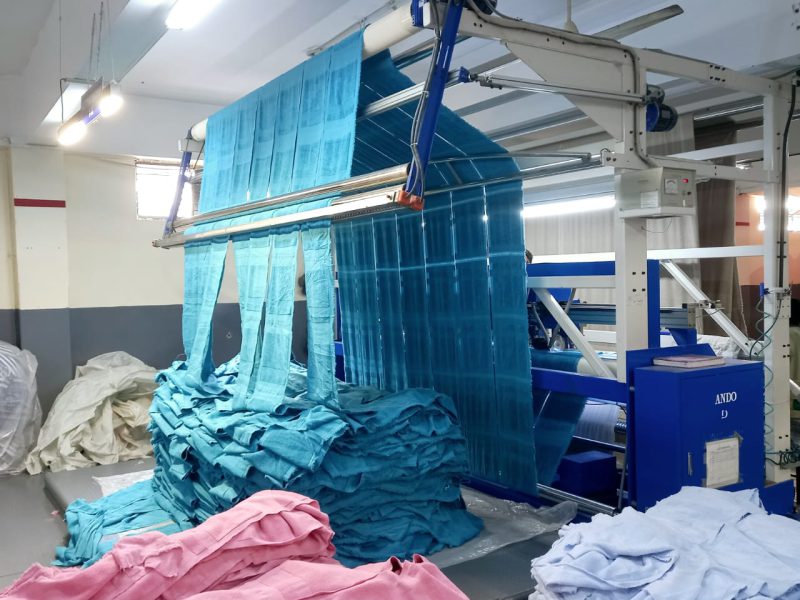
Longitudinal hemming represents one of the most demanding phases of fabric finishing because it requires continuous, high-speed stitching over long distances. In a typical industrial environment, maintaining a straight hem on a stretchy or heavy terry cloth material is a significant challenge. Advanced hemming units solve this by employing edge-tracking technology that uses infrared sensors to monitor the fabric position thousands of times per minute. If the fabric shifts even slightly, the system automatically adjusts the guide rails to compensate, preventing the wavy seams that often plague lower-quality production runs. This capability allows the machine to operate at speeds that would be impossible for a human operator to monitor effectively.
The mechanical architecture of modern hemming systems often features dual-needle configurations and specialized looper mechanisms designed for high-density threads. This ensures that the hem is not only aesthetically pleasing but also durable enough to withstand hundreds of industrial laundering cycles. Technical specifications for these machines often include adjustable stitch density and programmable back-tacking, which allows the manufacturer to customize the finish based on the specific requirements of the client. Furthermore, the integration of automatic thread trimmers and breakage sensors prevents the machine from continuing to run if a fault occurs, thereby reducing the amount of fabric that must be scrapped.
Efficiency in a modern mill is measured by the reduction of “dead time” between processing different batches of material. Modular hemming units are now designed with quick-change components that allow operators to switch between different fabric widths and weights in a matter of minutes. This flexibility is vital for mills that handle diverse product lines, ranging from small hand cloths to oversized bath sheets. By reducing the setup time, the facility can maintain a higher overall equipment effectiveness (OEE) rating. This technical agility ensures that the production line remains profitable even when handling smaller, specialized orders that would typically be cost-prohibitive on a standard manual line.
Enhancing Throughput with Automated Folding Systems
Folding is often the final stage before a product is boxed and shipped, yet it is frequently the most overlooked area for optimization. Manual folding is slow, inconsistent, and physically taxing for workers, often leading to ergonomic issues and high turnover rates. Automated folding systems replace this labor-intensive process with a series of high-speed mechanical blades and air-jet folders that can process hundreds of units per hour. The primary benefit of these systems is the uniformity of the final package. Every item is folded to the exact same dimensions, which not only looks better on a retail shelf but also optimizes the space utilized in shipping containers, leading to lower logistics costs.
The technical complexity of a high-speed folder involves a combination of PLC-controlled timing and precision pneumatic actuators. These components work in unison to perform complex lateral and longitudinal folds based on pre-programmed recipes. Sophisticated systems can even detect the orientation of a product and rotate it automatically before folding, ensuring that labels or decorative motifs are always visible in the final presentation. This level of detail-oriented processing adds a layer of brand value that is difficult to achieve through manual means. Moreover, the integration of weight-checking and metal detection sensors within the folding line adds an extra layer of quality assurance before the product leaves the facility.
Energy consumption is a critical factor in the modern textile industry, and contemporary folding machines are engineered to minimize their carbon footprint. By using high-efficiency motors and optimizing the use of compressed air, these machines provide a lower cost per unit than their predecessors. The reduction in electrical overhead, combined with the drastic decrease in labor costs, provides a rapid return on investment for large-scale manufacturers. When a mill can document a 30% increase in folding throughput while simultaneously reducing energy usage, it strengthens its position in an increasingly competitive global market.
Impact of Mechanical Reliability on Operational Costs
Unplanned downtime is the silent killer of profitability in the textile sector. When a critical machine on the finishing line fails, the entire production flow grinds to a halt, leading to wasted energy and idle labor. Modern industrial machinery addresses this by incorporating predictive maintenance features. Sensors embedded in the motor and drive systems monitor vibration levels and temperature, alerting maintenance teams to potential issues before they cause a total system failure. This data-driven approach to maintenance allows for scheduled repairs during off-peak hours, ensuring that the production line remains active during high-demand periods.
The durability of the components used in textile machinery is also a major factor in long-term operational costs. Industrial-grade hemming and folding units are built with hardened steel frames and high-wear components that are designed to operate 24/7 in harsh factory environments. Dust and lint are significant issues in textile mills, and modern designs feature enclosed drive systems and integrated vacuum extraction to prevent buildup from interfering with the mechanical parts. This focus on “clean-running” technology extends the lifespan of the machine and reduces the frequency of deep-cleaning cycles, further improving the overall productivity of the mill.
Quantifiable benefits of upgrading to high-end textile machinery include a significant reduction in the “rework rate.” In manual operations, it is common to have a 5% to 8% rejection rate due to stitching errors or folding inconsistencies. Automated systems typically bring this number down to less than 1%, which directly impacts the bottom line. When thousands of units are processed daily, saving 4% of the total output from the scrap bin results in substantial annual savings. These metrics are the foundation of a successful business case for automation, proving that the technology pays for itself through material savings and improved quality control.
Precision Cutting and Edge Management Protocols
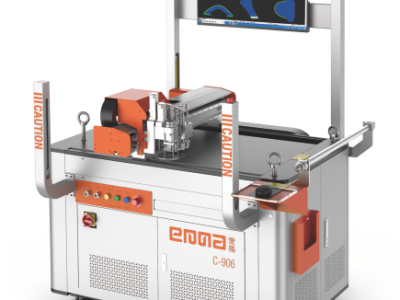
The cutting phase of terry cloth production is where most fabric waste is generated. Traditional manual cutting often results in “frayed edges” or “crooked cuts” that must be trimmed later, leading to a loss of usable material. High-precision longitudinal and cross-cutting machines use rotating circular blades or high-speed oscillating knives to create a perfectly clean edge. These blades are often coated with diamond or titanium to maintain their sharpness over millions of cuts, ensuring that the fabric fibers are cleanly severed rather than crushed. This level of precision is vital for creating a high-quality hem in the subsequent stages of production.
Edge management also involves the use of advanced spreading systems that ensure the fabric is perfectly flat and tension-free before the cut is made. If the fabric is pulled or stretched during the cutting process, it will “snap back” once released, resulting in a piece that is smaller than the required dimensions. Modern systems use electronic tension controllers to feed the fabric into the cutting zone at a neutral state. This ensures that every piece of fabric is exactly the dimension intended, which is critical for maintaining consistency in size across a large order of towels.
Sophisticated cutting units are often integrated with defect-marking systems. If an optical sensor detects a flaw in the fabric, such as a missed loop or a stain, the system can automatically adjust the cutting pattern to “cut around” the defect or flag the piece for removal. This prevents a single fabric flaw from ruining a larger section of the production run. By maximizing the yield from every roll of fabric, manufacturers can significantly reduce their raw material costs. In an industry where cotton prices can be volatile, the ability to squeeze every inch of value out of a fabric roll is a major competitive advantage.
Integration of High Performance Engineering Solutions
Achieving a seamless production flow requires more than just individual machines; it requires a holistic approach to factory layout and mechanical integration. Modern textile facilities are moving toward fully integrated lines where the fabric is never touched by human hands from the moment it enters the finishing department until it is palletized. This requires a sophisticated communication protocol between the different machines, allowing them to synchronize their speeds and handle variations in production volume without human intervention. The result is a highly efficient “smart factory” environment that can operate with minimal supervision.
The engineering behind these systems focuses on modularity and scalability. A mill might start with a single automated hemming unit and gradually add folding and packaging modules as their production needs grow. This modular approach allows for manageable capital expenditure while still providing a clear path toward full automation. The software controlling these lines provides detailed analytics, allowing managers to track production metrics, identify bottlenecks, and optimize the workflow in real time. This level of transparency is essential for modern quality management systems and ISO certifications.
By investing in precision-engineered equipment, textile manufacturers can guarantee a level of quality that satisfies the most demanding global brands. The ability to produce tens of thousands of identical units with zero defects is the hallmark of a world-class manufacturing operation. High-performance machinery provides the stability and predictability needed to scale a business in a global market. It transforms the finishing department from a high-risk bottleneck into a high-efficiency engine for growth. This transition is not just about replacing labor; it is about elevating the standards of the entire textile industry through superior mechanical design and technical innovation.
Strategic Efficiency in Industrial Textile Production
The evolution of textile manufacturing is centered on the elimination of mechanical variability. When a facility adopts high-speed longitudinal and cross-hemming systems, it is not merely buying hardware; it is implementing a rigorous quality control protocol. These systems are designed to handle the unique physical properties of terry fabrics, which are notorious for their bulk and tendency to shift under tension. By utilizing specialized feeding mechanisms and high-torque sewing heads, these machines maintain a consistent stitch length even when moving through multiple layers of thick fabric. This level of technical reliability ensures that the finished product meets the structural requirements for both domestic and commercial use.
Optimizing a production floor also involves the strategic use of space and energy. Compact, multi-functional machines that combine several finishing steps into a single footprint allow mills to increase their output without expanding their physical facility. These integrated solutions reduce the need for internal transport of materials, which is another common source of fabric damage and soilage. The focus remains on creating a “lean” manufacturing environment where every movement adds value to the product. The result is a streamlined operation that can respond quickly to market trends and customer demands without sacrificing quality or increasing costs.
Reliability is the cornerstone of trust in the industrial sector. Providing machines that can withstand the rigors of constant operation requires a commitment to superior materials and precision assembly. Every component, from the smallest sensor to the main drive motor, must be selected for its ability to perform in a lint-heavy, high-vibration environment. This dedication to engineering excellence ensures that the equipment remains a productive asset for decades. As the textile industry continues to move toward more sustainable and efficient production models, the role of high-precision finishing equipment will only become more critical for those looking to maintain a competitive edge.
Summary
The transition toward a fully automated textile finishing department represents a significant milestone in the modernization of a manufacturing facility. By addressing the inherent challenges of manual fabric handling, mills can achieve a level of consistency and throughput that was previously unattainable. The integration of high-speed cutting, hemming, and folding systems creates a robust production environment that is resilient to labor market fluctuations and rising operational costs. This strategic investment not only improves the quality of the final product but also enhances the overall sustainability of the business.
Technical innovation in the textile sector is driven by the need for precision and the desire to eliminate waste. Modern machinery provides the tools necessary to optimize every inch of fabric and every watt of energy used in the production process. As global competition intensifies, the ability to deliver high-quality goods at a lower cost per unit will be the primary factor that determines the success of a manufacturing operation. The shift toward digital control and mechanical synchronization is no longer an optional upgrade; it is a fundamental requirement for any mill that aims to compete on a global scale.