
The leather manufacturing sector has undergone a profound transformation as traditional artisan methods merge with high-capacity automated systems. Fabricators are no longer limited by the physical speed of manual cutting or the inherent inaccuracies of hand-guided tools. Precision in modern facilities is defined by the ability to repeat complex geometric patterns across thousands of cycles without a single millimeter of deviation. This level of consistency is required for luxury brands that demand absolute uniformity in their supply chains. The move toward digitized workflows allows companies to maintain the tactile quality of organic materials while benefiting from the speed of computerized logic.
Relying on manual labor for large-scale hide processing introduces significant risks regarding dimensional stability and material handling. Human operators, while skilled, are subject to fatigue and subjective interpretation of pattern layouts, which leads to variance in finished goods. Automated platforms neutralize these variables by executing every movement according to exact mathematical coordinates. This shift allows manufacturers to scale their production capacity without a linear increase in labor costs or a reduction in product quality. The transition involves a deep understanding of how software interprets CAD data to drive mechanical actuators with microscopic accuracy.
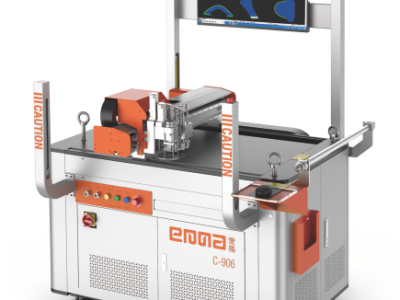
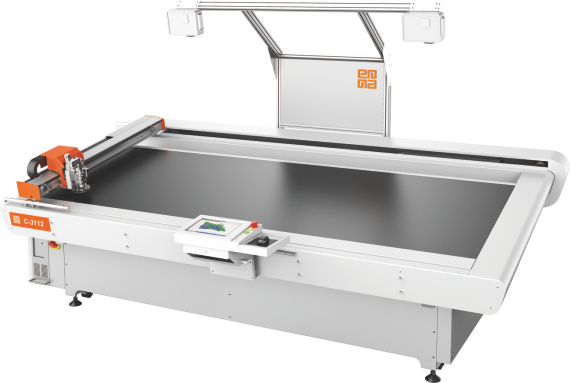
The implementation of the Emma CNC Leather Cutting Machine represents a critical advancement for facilities struggling with the limitations of manual layout. This specific hardware architecture allows for the seamless translation of digital pattern data into physical execution without the variance associated with hand-guided tools. By utilizing high-frequency oscillating knife technology, the system ensures that every cut remains perfectly perpendicular to the material surface, which is essential for maintaining seam allowance integrity in high-end footwear and upholstery. This mechanical consistency directly addresses the challenges posed by thick, dense hides that often resist standard rotary or fixed blade cutters.
Mechanical Integrity and the Cost of Unplanned System Downtime
Industrial machinery must be engineered to withstand the rigors of continuous operation in dusty and demanding factory environments. Mechanical degradation often begins at the microscopic level, where tiny particles of leather dust infiltrate bearings and drive belts, leading to friction and heat buildup. When a machine fails unexpectedly, the financial impact extends far beyond the cost of a replacement part. The true cost includes lost production hours, idle labor, and potential penalties for delayed shipments to retail partners. Facilities that prioritize robust mechanical engineering over low-cost alternatives find that their long-term operational expenditures are significantly lower.
Modern drive systems utilize sealed linear guides and high-torque servo motors to maintain performance under heavy loads. These components are designed to provide smooth, jitter-free movement even at high velocities, which is vital for maintaining edge quality. Older systems often suffer from vibration issues that cause the cutting head to oscillate slightly, resulting in jagged edges and rejected parts. By investing in hardware with superior structural rigidity, manufacturers ensure that their equipment remains accurate even after years of high-volume usage. The stability of the chassis prevents the frame from warping under the stress of rapid directional changes during complex cutting paths.
Modern manufacturing ecosystems rely on the fluid exchange of data between design teams and the factory floor. Cloud-based management systems allow supervisors to monitor production metrics and machine health from remote locations, ensuring that any deviation from performance baselines is addressed before it impacts the final product quality. Integrating comprehensive industrial solutions into existing workflows creates a unified digital thread that tracks a project from the initial CAD rendering through the final extraction of finished pieces. This transparency is vital for companies aiming to achieve higher levels of operational efficiency and accountability in their supply chain management.
Geometric Complexity and the Logic of Oscillating Blades
Cutting complex curves and sharp internal angles in genuine leather requires a tool head that can change direction instantly without tearing the material fibers. Fixed blades often struggle with tight radii because they create a dragging force that distorts the hide as the tool turns. Oscillating blade technology solves this problem by moving the knife up and down at high frequencies, effectively sawing through the material rather than pulling through it. This vertical motion allows the blade to navigate intricate patterns that were previously impossible to achieve with automated systems. The result is a clean, vertical edge that requires zero post-processing or manual trimming.
Pneumatic vs Electric Oscillation Mechanics
Different material densities require different approaches to blade oscillation. Pneumatic systems utilize compressed air to drive the knife, providing high force for extremely thick or tough materials like heavy sole leather or industrial composites. Electric oscillators provide more granular control over the stroke frequency, making them ideal for delicate garment leathers or thin synthetics. Choosing the correct oscillation method depends on the specific product mix of the facility and the desired throughput speed. Many modern systems allow for rapid tool exchanges, enabling the machine to adapt to different materials within the same production shift.
Maintaining Edge Suppleness through Cold Cutting
One of the primary advantages of mechanical knife cutting over other methods is the absence of heat. Cold cutting ensures that the chemical composition of the leather remains unchanged during the fabrication process. When leather is exposed to high temperatures, the natural oils and tanning agents can react, leading to hardened edges and discoloration. Oscillating knives slice through the fibers with minimal friction, preserving the original hand-feel and flexibility of the material. This is particularly important for products that require edge painting or folding, as the mechanical cut provides a superior surface for adhesives and finishes.
Algorithmic Yield Optimization and Scrap Reduction Strategies
Material waste is the most significant drain on profitability in any textile or leather goods factory. Organic hides are inherently irregular in shape and often contain natural blemishes like scars or insect bites that must be avoided. Manual nesting, where an operator places templates by hand, rarely achieves the theoretical maximum yield of a hide. Computational nesting algorithms can process millions of possible pattern combinations in seconds to find the layout that leaves the absolute minimum amount of scrap material. This mathematical optimization allows factories to extract more parts from every hide, directly improving the bottom line.
Machine Vision and Surface Defect Mapping
The integration of high-resolution cameras allows the cutting system to see exactly what it is processing. Before the cutting begins, the system scans the hide to identify its perimeter and any marked defects. The nesting software then works around these restricted zones automatically. This vision-guided approach ensures that every finished part is free of blemishes without requiring the operator to manually adjust the design for every individual hide. The speed of this digital inspection process allows for a much faster workflow compared to traditional manual marking and template placement.
Managing Grain Orientation and Material Stretch
Leather is not a uniform material, it has a specific grain direction and varying levels of elasticity across different parts of the hide. In high-quality garment manufacturing, it is critical that certain parts are cut along the grain to ensure the final product hangs correctly or withstands specific stresses. Modern nesting software can be programmed with these directional constraints, ensuring that every piece is oriented perfectly according to the engineering requirements of the design. This level of detail prevents the structural failures and aesthetic issues that often occur when parts are cut without regard for the natural properties of the leather.
Digital Integration and the Industrial Internet of Things
The concept of a connected factory involves linking every piece of hardware to a central data network for real-time analysis. When cutting machines are part of an Integrated Industrial Internet of Things network, they provide constant feedback regarding their performance and material usage. This data allows management to identify bottlenecks in the production line and make informed decisions about workflow adjustments. Digital integration also simplifies the process of updating designs, as new CAD files can be pushed to multiple machines simultaneously across different geographic locations.
Connecting the fabrication floor to enterprise resource planning systems allows for more accurate inventory management. The system can track exactly how much material has been consumed and automatically trigger reorders when stock levels reach a specific threshold. This just-in-time approach to material procurement reduces the amount of capital tied up in unused inventory and ensures that the factory always has the necessary components for upcoming orders. The transparency provided by digital networking also enhances client trust, as manufacturers can provide detailed reports on production progress and material efficiency.
Thermal vs Mechanical Cutting: Preserving Material Microstructure
Choosing between laser cutting and mechanical knife cutting is a critical decision that affects the final quality of the goods. Laser systems offer high speed but rely on intense heat to vaporize the material. This process creates a heat-affected zone along the cut edge, which can lead to carbonization and the release of unpleasant odors. In many types of leather, the heat from a laser causes the edge to shrink and become brittle, which can lead to cracking during the sewing process. Mechanical cutting avoids these issues entirely by using physical force to separate the fibers, maintaining the structural integrity of the material microstructure.
Chemical Stability and Edge Finishing Logistics
The chemical treatments used in the tanning process can react unpredictably when exposed to the high energy of a laser beam. Some dyes may change color, and certain tanning agents can release toxic fumes that require expensive filtration systems. Mechanical knives do not introduce any foreign energy into the material, ensuring that the chemical balance remains stable. This stability is crucial for products that must meet strict environmental and safety standards, such as those used in automotive interiors or children’s footwear. Furthermore, a mechanically cut edge is more receptive to edge-finishing chemicals, as the surface remains porous and absorbent.
Avoiding Smoke and Particulate Contamination
Thermal cutting processes generate a significant amount of smoke and fine particulates that can settle on the surface of the leather, leading to staining and the need for additional cleaning. This soot can be particularly difficult to remove from light-colored or suede-finished hides. Mechanical cutting is a clean process that produces only larger pieces of scrap material that are easily managed. By eliminating the need for post-cut cleaning, manufacturers can move parts directly from the cutting table to the assembly line, reducing the total lead time for finished products.
Scaling High-Mix Low-Volume Production in Luxury Markets
The modern luxury market is moving away from mass production toward personalized and small-batch collections. This shift requires a manufacturing environment that can change designs instantly without the cost of new tooling. Digital cutting systems are perfectly suited for this high-mix environment, as they do not require physical dies or templates. A factory can produce a single bespoke handbag and then immediately switch to a production run of several hundred wallets with no downtime. This flexibility allows brands to respond quickly to fashion trends and offer a wider variety of styles to their customers.
Eliminating Tooling Lead Times and Costs
Traditional die-cutting requires the fabrication of custom metal blades for every single pattern shape. This process is expensive and can take weeks to complete, which stifles creativity and slows down the prototyping phase. Digital cutting removes this barrier entirely. Designers can test new shapes and sizes in real-time by simply modifying the digital file and sending it to the machine. This rapid prototyping capability allows for more experimentation and leads to higher quality designs, as creators are not limited by the cost of physical tooling.
Optimizing Just-in-Time Manufacturing Workflows
The ability to produce small batches efficiently is the cornerstone of just-in-time manufacturing. By producing only what is needed for current orders, companies can drastically reduce their overhead costs and minimize the risk of unsold inventory. Digital cutting tables can be programmed to prioritize urgent orders or group different designs together to maximize material yield. This level of control over the production schedule is essential for navigating the fast-paced world of modern retail, where delivery speed is often just as important as product quality.
Predictive Maintenance and Lifecycle Management for Heavy Machinery
The longevity of industrial equipment depends on a rigorous approach to maintenance and component care. Predictive maintenance involves using sensors to monitor the condition of motors, bearings, and vacuum systems during operation. By analyzing vibration patterns and thermal data, the system can predict when a component is likely to fail and alert the maintenance team to intervene. This proactive approach prevents the catastrophic failures that lead to extended downtime and expensive emergency repairs. It also ensures that the machine always operates at its peak precision, as worn components are replaced before they can affect the quality of the cut.
Lifecycle management involves tracking the usage and performance of the machine over its entire operational life. This data helps owners understand the total cost of ownership and make informed decisions about when to upgrade to newer technology. Maintaining a detailed digital log of all maintenance activities and part replacements also increases the resale value of the equipment. A well-maintained machine that has been operated within its design parameters will continue to deliver accurate results for many years, providing a solid return on the initial capital investment.
Regular software updates are another critical aspect of lifecycle management. As new nesting algorithms and control features are developed, they can be pushed to existing hardware to improve performance without the need for physical modifications. This ensures that the equipment remains competitive as technology advances. Modern manufacturers look for partners who offer comprehensive support packages, including remote diagnostics and on-site training, to ensure that their investment continues to provide value throughout its lifecycle.
Technical Engineering Excellence and Global Installation Standards
Achieving consistent results in the global manufacturing arena requires a partner with a proven track record of engineering excellence and industrial reliability. With over 22 years of experience in the field of automated cutting solutions, the engineering teams have successfully deployed more than 500 installations in 15 different countries. This extensive history of successful projects demonstrates a deep understanding of the unique challenges faced by different industries, from high-fashion leather goods to heavy industrial composites. Each installation is tailored to the specific needs of the facility, ensuring that the hardware and software work in perfect harmony with existing workflows.
The commitment to quality extends beyond the initial sale, with a dedicated support infrastructure designed to keep production lines running at maximum efficiency. By focusing on the integration of premium components and intuitive control systems, the hardware delivers a 97 percent client satisfaction rate. This high level of trust is built on a foundation of transparent communication and reliable technical assistance. Operators are provided with comprehensive training that covers everything from basic machine operation to advanced nesting strategies and preventative maintenance.
Global expertise also means staying ahead of international safety and environmental regulations. All equipment is designed to meet or exceed the highest standards for operational safety, protecting workers while maximizing output. By partnering with a provider that has a global perspective, manufacturers can be confident that they are utilizing the most advanced technology available. This global reach also ensures a stable supply chain for spare parts and consumables, minimizing the risk of disruptions to the production schedule.
FAQ’s
How does an oscillating knife handle thick saddle leather?
High-frequency oscillation allows the blade to saw through dense fibers without the dragging force that typically distorts heavy hides, ensuring a perfectly vertical and clean edge.
Can these systems identify and avoid natural leather scars?
Yes, integrated high-resolution cameras scan the hide for marked defects, and the nesting software automatically arranges the pattern pieces to avoid those areas.
What is the benefit of cold cutting over laser cutting for leather?
Cold cutting preserves the material microstructure and prevents the hardened, brittle, or discolored edges that are often caused by the heat of a laser beam.
Is it difficult to switch between different leather types during a shift?
No, digital systems allow operators to select pre-programmed material profiles that automatically adjust cutting speed and blade pressure for different densities.
How much material can be saved using algorithmic nesting?
Most facilities see a yield improvement of 15 to 30 percent compared to manual layout, significantly reducing the amount of expensive leather sent to the scrap bin.
Does the machine require a special environment to operate?
While industrial-grade, these machines are designed for standard factory floors, though keeping the area free of excessive dust helps prolong the life of the vacuum and drive systems.
Can I import my existing design files from standard CAD software?
Yes, modern CNC cutting tables are compatible with standard file formats like DXF and PLT, allowing for seamless integration with your current design workflow.
How often do the cutting blades need to be replaced?
Blade longevity depends on the material toughness and usage volume, but the system monitors tool wear and alerts the operator when a blade change is required to maintain quality.
Does the system help with tracking inventory levels?
When integrated with factory management software, the system provides real-time data on material consumption, helping to streamline procurement and inventory control.
What safety features are included for the operator?
Machines are equipped with infrared safety sensors and emergency stop triggers that immediately halt the cutting head if a person or object enters the active workspace.
Final Summary
The path toward fully autonomous fabrication facilities is becoming increasingly clear as digital control systems and machine learning continue to evolve. The integration of advanced computer numerical control logic has already revolutionized the way we process organic materials, turning a once manual and wasteful craft into a precise and efficient industrial science. As these systems become even more intuitive, the barrier to entry for high-precision manufacturing will continue to lower, allowing more companies to compete on a global scale. The focus will remain on increasing speed and accuracy while simultaneously reducing the environmental impact of industrial waste.
Future developments in sensor technology and artificial intelligence will likely lead to machines that can adjust their parameters in real-time based on the specific resistance of the material being cut. This self-correcting behavior will further reduce the possibility of human error and ensure that even the most difficult materials can be processed with ease. The move toward more sustainable manufacturing practices will also drive innovation in material yield optimization, as companies look for ways to minimize their carbon footprint by reducing scrap.
Designers will be free to imagine increasingly complex and beautiful products, knowing that the technology exists to bring those visions to life with absolute perfection. By embracing these digital tools, the leather and textile industries are securing their place in the future of global manufacturing, combining the heritage of quality craftsmanship with the power of modern engineering.