
Manual textile processing introduces massive variables. Textile mill operators constantly fight mechanical degradation and the heavy financial burden of unplanned downtime. When threading mechanisms fail or tension inconsistencies occur during high-volume fabric processing, the entire production floor suffers from bottlenecks. Relying on human intervention for measuring, slitting, and hemming leads to structural flaws in woven materials. These inconsistencies directly impact material yield and increase waste percentages. Plant managers need industrial-grade solutions capable of running continuously without requiring constant recalibration.
The shift toward intelligent manufacturing floors prioritizes metrics over manual guesswork. Implementing programmable logic controllers and intuitive touch-screen interfaces eliminates the standard deviation in fabric handling. Modern industrial setups demand robust machinery capable of processing heavy terry fabrics with precise tension controls. Operators require clear visibility into production metrics to monitor stitch density and linear speed. High-performance inverter drives maintain consistent motor operations, preventing electrical strain while delivering uniform torque during heavy load cycles. This technical evolution directly mitigates the risks associated with obsolete mechanical setups.
Examining How Smart Automation Is Transforming Towel Manufacturing in 2026 Requires a Close Focus on Throughput Metrics and Operational Reliability. Facilities utilizing advanced Japanese sewing heads achieve remarkable consistency in stitch formation. These automated systems maintain a precise eight stitches per inch configuration regardless of the operating speed. Upgrading to these intelligent systems reduces mechanical wear and tear significantly. The integration of advanced sensors ensures real-time adjustments during continuous feeding cycles. This level of control translates into a measurable decrease in rejected materials and a substantial increase in first-quality product yield.
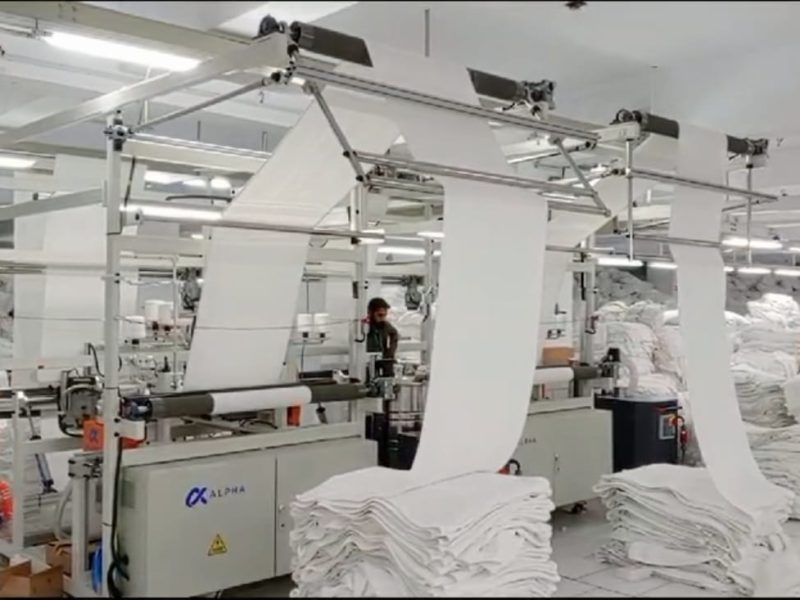
Industrial machinery heavily relies on synchronized operations to process raw textiles into finished goods. Automated length slitting systems measure fabric webs with pinpoint accuracy before initiating the cutting cycle. This synchronization prevents the fraying of edges and maintains the structural integrity of the pile loops. Tensionless fabric feeding mechanisms ensure the material remains distortion-free throughout the entire finishing process. Engineers design these robust machines to handle varied fabric weights without requiring extensive mechanical changeovers. Operational consistency remains the primary metric for evaluating the success of these textile floor upgrades.
Programmable Logic Controllers in Fabric Processing
Modern fabric processing facilities face significant challenges regarding operational consistency and synchronization. Programmable logic controllers serve as the central nervous system for contemporary industrial machines. These controllers process input data from various sensors spread across the production line to make microsecond adjustments. When processing thick terry cloth, the tension on the fabric web must remain perfectly uniform to prevent dimensional distortion. The programmable logic controller communicates directly with the motor inverters to adjust the feeding speed dynamically. This real-time communication eliminates the need for manual tension adjustments, which historically led to massive variations in product quality.
Operators interact with these complex systems through sophisticated human-machine interfaces. These touch-screen panels provide immediate access to diagnostic data, production metrics, and fault alarms. Instead of physically inspecting mechanical cams and gears, maintenance teams can identify electrical or mechanical faults directly through the diagnostic display. This immediate fault identification dramatically reduces troubleshooting time and minimizes overall production floor disruptions. Managers can track the exact linear yardage processed per shift, allowing for highly accurate yield calculations and material planning.
Keeping Stitch Quality Strong While Managing Line Speed
Maintaining structural integrity along the edges of woven products requires exact stitch formations. Industrial hemming units must balance high-speed output with precise needle penetration. Achieving eight stitches per inch while the fabric moves twenty meters per minute demands extraordinary mechanical synchronization. The sewing heads must withstand immense friction and vibration during these continuous operational cycles. High-quality Japanese sewing technology utilizes specialized metallurgical components to dissipate heat and prevent needle deflection. This prevents skipped stitches and ensures a totally secure hem, which remains critical for the longevity of the final textile product.
Speed variations directly impact the tension of the sewing thread and the quality of the final seam. Advanced inverter technologies manage the acceleration and deceleration phases of the sewing motors to prevent thread breakage. Whenever a thread break occurs, optical sensors immediately halt the feeding mechanism to prevent defective products from moving down the line. This automated stopping feature saves substantial raw material costs and prevents defective goods from reaching the final packaging stage. The combination of optimal linear velocity and controlled stitch density guarantees an industrial-grade finish on every processed unit.
Mitigating Unplanned Downtime Risks
Unplanned machinery stoppages represent the highest hidden cost within any manufacturing facility. Mechanical degradation occurs rapidly when processing heavy textiles due to the constant shedding of microscopic cotton fibers. These abrasive fibers infiltrate moving parts and absorb lubricating oils, leading to premature bearing failures and belt slippage. Modern industrial equipment features sealed enclosures and positive pressure systems to keep these abrasive particulates away from sensitive electronic and mechanical components. Routine maintenance shifts from reactive firefighting to predictable, scheduled servicing based on actual machine running hours.
Implementing smart diagnostic routines allows engineering teams to predict component wear before a catastrophic failure happens. Drive belts, rotary cutting blades, and pneumatic cylinders all exhibit specific performance degradation signatures prior to failing. The centralized control system monitors power consumption spikes or slight timing delays that indicate impending mechanical issues. Addressing these minor anomalies during scheduled shift changes prevents catastrophic breakdowns during peak production runs. This proactive approach to asset management significantly extends the lifecycle of the capital equipment and guarantees predictable order fulfillment rates.
Tensionless Feeding and Material Yield
Fabric stretching during the processing phase ruins the dimensional stability of the final product. Traditional pulling mechanisms often distort the weave structure, causing the material to shrink unevenly after the first washing cycle. Tensionless feeding systems utilize synchronized conveyor belts and precise dancer rollers to move the fabric web without imparting any longitudinal strain. The automated slitting modules then divide this relaxed fabric web into specific widths with zero distortion. Maintaining this relaxed state throughout the slitting and cross-cutting phases ensures the final dimensions match the required specifications exactly.
Maximizing material yield requires highly accurate measuring and cutting mechanisms. Rotary blades engineered from high-carbon steel provide incredibly clean cuts without crushing the surrounding pile loops. The automated length measurement systems trigger the cross-cutting blades with millimeter precision. This exact sizing eliminates the need for manual trimming and drastically reduces the amount of fabric designated as scrap. Facilities processing thousands of kilograms of fabric daily see a massive financial return by reducing their waste percentage through these highly accurate cutting systems.
Sensor Integration for Quality Assurance
Quality assurance inside modern textile floors relies entirely on continuous, automated monitoring rather than random manual sampling. High-resolution optical sensors scan the fabric web for defects, misalignments, or missing threads during the high-speed transit. These sensors operate using specific light frequencies to penetrate the dense pile of terry fabrics and identify structural inconsistencies. When the system detects a flaw, it can automatically log the defect location or halt the process for operator review. This level of continuous inspection guarantees that only premium-grade materials progress to the final finishing and packaging stages.
Pneumatic edge-guiding systems work in tandem with these optical sensors to ensure the fabric remains perfectly aligned as it enters the cutting modules. If the fabric web begins to drift laterally, the edge-guiding system immediately shifts the feeding rollers to correct the alignment. This instant correction prevents crooked cuts and uneven hems. Integrating these reactive sensor networks transforms a static mechanical machine into an intelligent processing unit. The machinery actively adapts to minor variations in the raw material, delivering a consistently superior output regardless of incoming fabric anomalies.
Advanced Cross-Cutting Dynamics
Separating continuous fabric rolls into individual consumer products requires formidable cutting force combined with extreme precision. Automated cross-cutting units utilize heavy-duty pneumatic cylinders to drive the cutting blades through thick, multi-layered textiles. The blade geometry is specifically designed to slice through the dense cotton fibers without causing the edges to fray. The synchronization between the feeding belt stopping and the blade descending occurs within fractions of a second. This rapid sequence prevents any buckling or bunching of the fabric during the cutting action.
Managing the transition of the severed pieces out of the cutting zone represents another critical engineering challenge. Automated offloading conveyors immediately transport the cut pieces away from the blade area to prepare for the next cycle. This rapid clearing action maximizes the overall machine throughput and prevents material jams. The entire cutting sequence operates in a continuous, rhythmic cycle dictated by the central programmable logic controller. Optimizing these cross-cutting dynamics directly increases the daily production volume and reduces the physical strain on the facility operators.
Improving Daily Floor Workflows With Smarter Technology
Securing a competitive advantage within the textile sector demands investing in industrial machinery proven to withstand rigorous continuous operations. The implementation of premium automated systems, featuring advanced synchronization technology and robust Japanese sewing heads, radically alters production capabilities. Facilities utilizing these heavy-duty hemming, slitting, and cross-cutting machines experience unparalleled operational efficiency. Capable of maintaining linear speeds approaching twenty meters per minute while executing eight precise stitches per inch, this machinery sets a new standard for throughput. Integrating reliable programmable logic controls alongside intuitive touch-screen interfaces empowers operators to manage complex production cycles seamlessly.
Selecting the correct machinery infrastructure goes beyond just purchasing equipment; it requires partnering with seasoned engineering experts. Decades of specialized knowledge within the textile automation sector provide the foundation for successful large-scale installations. Comprehensive support structures encompassing initial consultation, precise installation, and rigorous operator training ensure maximum equipment effectiveness from day one. Facilities leveraging these advanced technical solutions dramatically reduce their reliance on manual labor, eliminate costly unforced errors, and achieve perfectly uniform product dimensions. This strategic approach to industrial upgrades guarantees long-term operational stability and a maximized return on capital investments.
FAQ’s
How do programmable logic controllers improve slitting accuracy?
Programmable logic controllers process data from optical sensors instantly to adjust motor speeds. This constant communication prevents fabric distortion and ensures the rotary blades cut exactly along the designated dimensional lines.
Why is tensionless feeding critical for terry cloth processing?
Terry cloth stretches easily under physical strain. Tensionless systems utilize synchronized conveyors to move the fabric without pulling, which prevents the material from shrinking unevenly after the manufacturing process concludes.
What causes premature bearing failure in fabric processing machines?
The continuous shedding of microscopic cotton fibers creates abrasive dust. This dust absorbs lubricating oils within the mechanical joints, increasing friction and causing heavy-duty bearings to fail prematurely.
How does high-speed hemming maintain stitch consistency?
Advanced machinery utilizes Japanese sewing heads built from specialized metallurgical components. These heads dissipate heat effectively and prevent needle deflection, maintaining a perfect eight stitches per inch configuration during high-speed runs.
What role do inverter drives play in motor longevity?
Inverter drives manage the electrical current supplied to the motors during acceleration and deceleration. This smooth power delivery prevents sudden electrical spikes and reduces the mechanical shock placed on the drive belts.
How do optical sensors reduce raw material waste?
High-resolution sensors scan the moving fabric for missing threads or misalignments. When a defect appears, the sensor triggers an automatic stop, preventing the flawed material from progressing into the final cutting stage.
Why is pneumatic edge-guiding necessary?
Long rolls of heavy fabric naturally drift laterally as they unroll. Pneumatic guides constantly adjust the feeding rollers to keep the fabric perfectly straight, ensuring the final cuts remain totally square.
What prevents frayed edges during the cross-cutting cycle?
Cross-cutting units use specialized high-carbon steel blades driven by heavy-duty pneumatic cylinders. The rapid, forceful descent of the blade severs the dense cotton fibers cleanly before they have a chance to bend or fray.
How do touch-screen interfaces reduce machine troubleshooting time?
Modern interfaces display direct diagnostic codes and fault locations instantly. Maintenance personnel can identify electrical issues on the screen instead of manually inspecting physical gears, significantly reducing the total downtime.
What makes automated material offloading important?
Once the blade severs the fabric, the severed piece must leave the cutting zone immediately. Automated conveyors transport the finished pieces away rapidly to prevent material jams and prepare the cutting bed for the very next cycle.
Final Thoughts
The transition away from manual processing toward intelligent, sensor-driven machinery represents a fundamental requirement for modern industrial survival. Facilities clinging to outdated mechanical processes face insurmountable challenges regarding waste management, operational bottlenecks, and inconsistent product quality. Embracing sophisticated control systems and precision cutting mechanisms eliminates the variable nature of human labor. The quantifiable metrics provided by modern touch-screen interfaces allow managers to optimize their workflows based on hard data rather than theoretical estimations. This data-centric approach to facility management directly targets the root causes of financial bleed and mechanical failure.
Implementing specialized machinery designed specifically for processing heavy terry fabrics requires careful strategic planning. The robust nature of these advanced hemming and slitting units ensures they can withstand the punishing environment of a continuous production floor. By prioritizing tensionless feeding systems and automated fault detection, managers can drastically reduce their raw material waste percentages. The long-term financial benefits of reducing unplanned downtime and eliminating structural defects far outweigh the initial capital expenditure required for these industrial upgrades. Consistently delivering premium products builds tremendous brand loyalty and secures long-term commercial success.
The integration of smart automation dictates the future trajectory of heavy fabric processing. Facilities that successfully implement these advanced technologies position themselves as leaders within the global supply chain. The core principles of textile manufacturing remain focused on maximizing yield while maintaining strict quality standards. Leveraging robust programmable logic controllers, high-speed Japanese sewing mechanisms, and automated cross-cutting modules fulfills these core industry demands. The continuous evolution of these industrial systems promises even greater efficiencies and more reliable production metrics for forward-thinking facility operators.