
A core challenge in the production of durable goods remains the successful bond between a liquid deposit and a solid base. In the realm of industrial print, the surface energy of a substrate measured in dynes per centimeter dictates whether a fluid will spread with uniform coverage or retreat into isolated beads. This phenomenon, known as reticulation, occurs when the surface tension of the ink exceeds the energy of the material. For materials like glass, stainless steel, or high-density plastics, the absence of pores requires a molecular shift to ensure a permanent lock. Without a proper dyne level, the finished product lacks the scratch resistance and weather tolerance necessary for heavy-use environments.
To solve this, technicians employ specific pre-treatment methods that alter the top layer of the material at a microscopic level. Plasma or corona treatment disrupts the inert state of the surface, which creates open sites for chemical anchors. This shift allows the ink to wet out across the substrate rather than sit as a separate layer. A failure to achieve this balance leads to a brittle result that flakes off under minimal stress. Expertise in this field requires a deep grasp of how different materials react to these energy shifts to prevent the waste of expensive media and hours of labor.
The Role of Advanced Flatbed Digital Printers
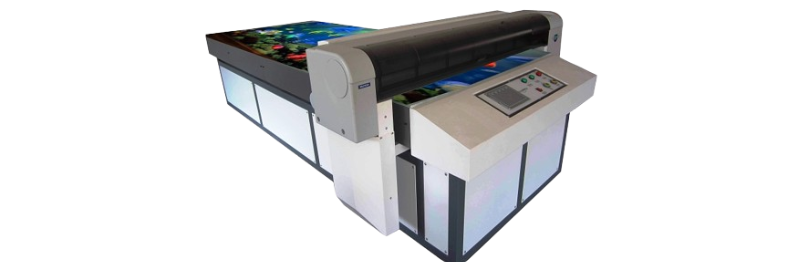
Modern facilities achieve these high-precision results through the use of Flatbed Digital Printers which provide the stability required for rigid media. These systems utilize a stationary bed and a mobile gantry to maintain a fixed distance between the printhead and the substrate. This mechanical rigidity is vital because even a tiny vibration or a shift in the air can cause a drop to miss its target. By keep the media flat and the head at a constant height, the system ensures that complex designs remain sharp and text stays legible at microscopic scales. The result is a level of detail that traditional screen methods cannot match without excessive setup time.
Vacuum Pressure and Mechanical Precision
The vacuum table is a critical but often overlooked part of the mechanical stack. It provides the force necessary to hold thin or slightly warped materials in place throughout the entire process. High-volume setups require multi-zone vacuum control, which allows an operator to focus suction only where the media sits. This prevents the loss of air pressure and ensures that even lightweight plastics stay immobile as the carriage moves at high speed. If the vacuum pressure fluctuates, the media might lift, which leads to a head strike. A head strike is a catastrophic event that can destroy thousands of dollars in hardware in a single second.
Proper maintenance of the vacuum bed involves a clear path for air flow. Dust or dried ink that blocks the small holes in the table will create “soft spots” where the media is not secure. This lack of stability results in blur or registration errors that ruin the final output. Therefore, a clean work surface and a functional suction pump are just as important as the electronic components. A stable bed is the silent foundation of every successful high-resolution project.
Component Integrity and System Longevity
Reliable output depends on the quality of the small parts that move the ink from the tank to the nozzle. Filters, dampers, and pumps must work in perfect sync to maintain the correct fluid pressure. When these items wear out, the system suffers from “starvation,” where the head cannot fire enough volume to keep the color dense. This leads to streaks and inconsistent fills that fail quality checks. For this reason, a facility must source high-end spare parts to ensure that the hardware operates as the manufacturer intended. Third-party parts that do not meet exact specs often cause leaks or blockages that halt production for days.
The filtration system acts as the last line of defense against micro-particles that might enter the ink stream. Even a tiny piece of debris can clog a nozzle that is smaller than a human hair. Once a nozzle is dead, the only fix is often a full head replacement, which is a major expense. Consistent part replacement schedules ensure that the machine stays in peak condition and avoids the high cost of emergency repairs. A proactive approach to these small components is what separates a profitable shop from one that struggles with constant downtime.
UV-LED Technology and Thermal Stability
The shift toward UV-LED cure systems has changed the way shops handle heat-sensitive materials. Unlike old mercury lamps, LED units produce light at a specific wavelength that triggers a cure without a massive rise in heat. This allows for work on thin films or plastics that would otherwise melt or curl under a traditional lamp. The “instant-on” nature of these lights also means that the machine is ready to work without a warm-up period. This saves time and electricity, which contributes to a more efficient bottom line.
Precise control over the lamp intensity allows for different finishes, such as a matte look or a high-gloss sheen. By adjust the power of the LED, a technician can control the speed of the cure. A slow cure allows the ink to level out more for a smooth finish, while a fast cure locks the drops in place for a textured feel. This level of control is essential for the creation of ADA-compliant braille or other tactile elements. The ability to manage light energy is a key skill for any advanced operator.
Chromatic Accuracy and Color Management
In the world of corporate branding, color drift is a major failure. A logo must look the same across a hundred different panels, regardless of the day or the room temperature. To achieve this, professionals use spectrophotometers to measure the light reflected from a test print. These measurements create a profile that tells the software how to adjust the ink levels to reach a target color. This process removes the guesswork and ensures that a “Red 485” on Monday is the same as a “Red 485” on Friday.
Humidity also plays a role in how ink behaves. High moisture levels can change the way a drop spreads, which alters the final hue. A climate-controlled room is the best way to prevent these shifts. Without such controls, an operator must spend extra time recalibrating the system to account for weather changes. Professional color management is not just about a good eye; it is about a data-driven process that ensures every unit meets the client’s strict standard.
Workflow Optimization and Throughput Gains
Efficiency in a print shop is the result of a smooth flow from file prep to final trim. Automation in the software RIP (Raster Image Processor) allows for “nesting,” where the system fits as many items as possible onto a single sheet of material. This reduces waste and maximizes the profit from every square meter. Faster processors also mean that large files are ready to print in seconds rather than minutes, which keeps the gantry in motion.
On the hardware side, a dual-rail system for the carriage allows for faster travel without the risk of wobble. When the machine can move at a higher velocity without a loss in quality, the shop can take on more work without an increase in staff. This growth is only possible when the hardware and software are in total sync. A facility that invests in these technical upgrades will find that their cost per print drops significantly as their capacity grows.
Expert Solutions for Industrial Production Challenges
A deep focus on the technical details of the print process is the only way to ensure long-term success. The goal is to provide a complete setup where the ink, the machine, and the parts work as a single unit. From the setup of a new facility to the delivery of critical components like pumps and filters, every step must prioritize reliability. Technical support for the complex electronics and the fluid systems ensures that the production line never stays quiet for long. This level of service is a requirement for businesses that cannot afford to miss a deadline.
The focus remains on the supply of parts that meet the highest standards of the industry. Whether a shop needs a specific filter to keep their ink clean or a new lamp for their cure system, the quality of the part determines the quality of the output. By stay focused on the needs of the industrial sector, the service provides the tools for businesses to scale their work with confidence. This commitment to the craft is what builds trust with clients who demand the best results.
Summary
The path toward a dominant position in the market requires a firm grasp of the physics and chemistry behind the process. A facility that masters surface energy and mechanical precision will always outproduce those that take shortcuts. As the demand for custom decor on unique materials grows, the ability to adapt to new substrates becomes a primary asset. This evolution is not just about the purchase of a machine; it is about the constant refinement of the entire production stack.
Reliability is the result of a disciplined approach to maintenance and the use of genuine components. When the hardware remains in top shape, the risk of error drops, and the quality of the final product stays high. This focus on the technical foundation of the work is what allows a shop to take on the most difficult tasks with a guarantee of success. The future of the industry belongs to those who view their equipment as a precision instrument rather than a simple tool.