
Continuous fabric production lines experience severe mechanical wear when they surpass specific thermal thresholds. Plant managers notice microscopic fractures in the fabric weave long before complete system failure occurs on the factory floor. Friction from industrial rollers that operate at speeds past twenty meters per minute creates intense static buildup and thermal stress across the production sequence. This constant physical stress causes unrecoverable material distortion that ruins high-value synthetic blends and natural fibers alike.
Unplanned downtime that arises from these hardware fatigue issues accounts for massive financial loss in the apparel manufacture sector. Every hour of halted production forces facilities to absorb the cumulative costs of idle labor and wasted energy overhead. To counter this constant physical tension, operators calibrate the entire feed and wind mechanism throughout the facility with extreme precision. Manufacturers face a constant battle against unpredictable fabric shrinkage during the high-temperature fixation phase. When heat spreads unevenly across the substrate, polyester and complex blended fibers react unpredictably and lose their structural integrity.
A synchronized tension system eliminates the microscopic sag that leads to fatal head strikes and catastrophic equipment damage. Production teams who rely on manual tension adjustments experience higher defect rates because human reaction times cannot match sudden tension spikes during rapid fabric advancement. Automated closed-loop tension monitors mitigate these risks and establish instant feedback loops between sensors and drive motors.
Deposition Systems and Core Architecture Upgrades
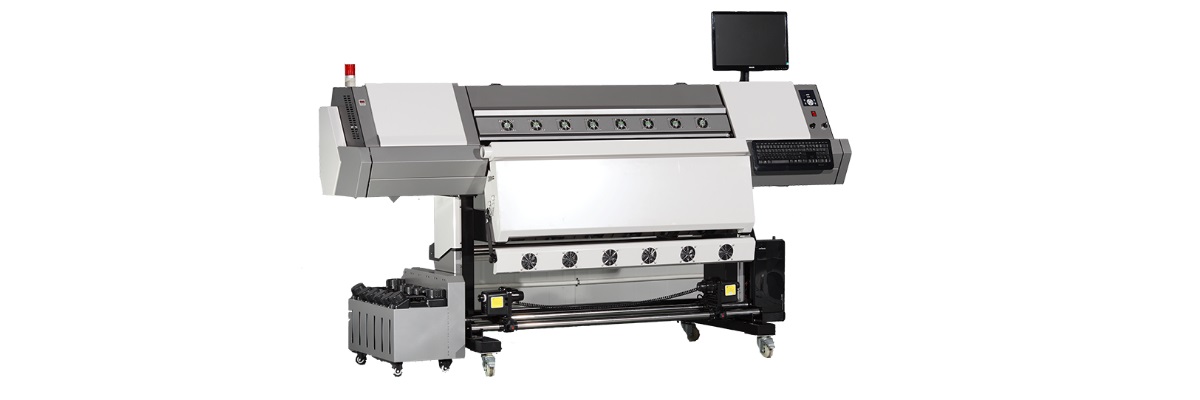
Modern facilities offset these severe mechanical limitations when they upgrade the core deposition technology that drives their visual output. The integration of Aura Digital Textile Printing architecture shifts mechanical stress points away from delicate fabric tensioners. This specific machinery operates continuously without any aggressive physical contact against the substrate. The removal of heavy roller pressure preserves the integrity of delicate knitwear, luxury silks, and high-stretch sportswear materials during maximum speed runs. When operators stabilize the ink delivery sequence under constant environmental temperatures, they secure absolute color consistency across thousands of linear meters of finished product. The elimination of heavy mechanical pressure rollers also extends the lifespan of the underlying conveyor belts.
Ink viscosity fluctuations represent another severe bottleneck during continuous commercial production cycles. Variations in ambient factory humidity drastically alter how water-based pigments behave as they travel through intricate microfluidic channels. When temperatures rise above optimal ranges, pigment particles agglomerate and create devastating clogs within microscopic nozzles. A sudden drop in viscosity causes unwanted ink spread, known as dot gain, which destroys intricate geometric pattern details. Climate-controlled enclosures around the immediate print zone prevent these erratic fluid dynamics and keep critical production metrics perfectly stable. Control of this microclimate ensures that high-density solid colors transfer flawlessly without any unwanted pools or mottled effects.
Fluid Dynamics and Microclimate Management
To combat unexpected particle agglomeration, mechanical engineers implement continuous gas extraction modules directly into the main fluid route system. Removal of dissolved oxygen from the pigment suspension prevents microscopic bubble formation inside high-frequency piezoelectric chambers. Facilities that integrate specialized textile machinery solutions report an immediate seventy percent reduction in catastrophic printhead failures during peak seasons.
Negative pressure within secondary sub-tanks ensures that the fluid menisci sit perfectly at the nozzle openings without weep. This precise fluidic control guarantees that every single droplet ejects with the exact velocity and trajectory required for photorealistic image reproduction. Furthermore, this dynamic pressure stabilization prevents pigment starvation when the carriage deposits massive volumes of dark ink.
An evaluation of the financial drain from outdated hardware reveals staggering operational waste across the industry. Legacy analog systems waste up to thirty percent of chemical dyes during standard color changeover processes between client orders. The extensive wash cycles that occur between production runs consume massive volumes of heated water and harsh clean solvents that damage local ecosystems. A transition to specialized fluid delivery architectures cuts overall water consumption by approximately eighty percent compared to traditional rotary operations. This drastic reduction in utility expenditure and waste management fees offsets the initial capital investment within the first eighteen months of continuous use. Lower hazardous chemical discharge also allows facilities to secure lucrative contracts with eco-conscious retail brands.
Efficiency Metrics and Automated Waste Reduction
Strategic cost reduction extends far beyond simple fluid conservation and wastewater management. Automated tension controls reduce manual labor requirements, which allows a single operator to oversee multiple production lines simultaneously. Facilities report a forty percent increase in overall equipment effectiveness when they implement strictly closed-loop tension monitors. Highly sensitive laser sensors that detect minute variations in fabric stretch feed critical data back to the primary servo drive motors. The motors instantly adjust their rotation speeds to compensate, which ensures the substrate remains flat as it passes beneath the low-clearance deposition carriage. This synchronization prevents the fabric from upward billow and contact with expensive internal components.
Ultra-high-resolution optical inspection cameras placed immediately after the fixation unit provide essential real-time defect analysis. Advanced vision algorithms detect subtle color band anomalies, absent nozzles, and microscopic weave deviations long before the human eye catches the error. The automated system halts production or triggers a targeted clean cycle when visual anomalies breach defined acceptable thresholds. Early detection prevents entire rolls of expensive raw materials from entry into the scrap bin. Manufacturers typically see an immediate scrap reduction of twenty-five percent during the first operational quarter after deployment. This waste reduction directly boosts the profit margin on every fulfilled purchase order.
Thermal Regulation and Environmental Safeguards
Superior wash fastness requires exact thermal regulation inside the final polymerization chamber of the production line. If the substrate moves through the intensive heat tunnel too fast, the pigment binders fail to crosslink with the fabric fibers. Slow movement risks severe yellow discoloration of the fabric and causes irreversible embrittlement that ruins the garment texture. Forced hot air circulation systems must maintain absolute temperature uniformity across the entire width of the heavy-duty industrial conveyor belt. Precise thermal profiles ensure that finished garments survive hundreds of industrial wash cycles without any noticeable fade or structural decay.
Environmental dust, stray cotton fibers, and general factory debris present a constant threat to delicate internal electronic components. As heavy fabric rolls travel through the facility, they shed microscopic lint particles into the surrounding air currents. These airborne contaminants settle onto highly sensitive encoder strips and delicate drive belts that guide the carriage. Once coated in abrasive dust, electronic optical sensors misread the exact carriage position, which leads to horizontal color bands on the final product. Positive air pressure within the main protective chassis forces these contaminants outward and protects crucial electronic pathways.
Preventative Maintenance and System Longevity
Routine maintenance protocols must shift from reactive fixes to predictive component replacement strategies. Analysis of subtle vibration frequencies from the primary servo motors allows technicians to identify worn bearings weeks before they seize. Lubrication of linear guide rails with specialized synthetic compounds minimizes friction and heat build during rapid carriage movements. Replacement of standard mechanical limit switches with enclosed optical sensors eliminates physical wear from the equation entirely. These proactive engineering steps extend the operational lifespan of the entire production line by several years.
Modern production managers rely on continuous data streams to fine-tune daily high-volume output schedules. Every motor, optical sensor, and fluid pump transmits vital performance metrics to a centralized industrial edge computing node. Analysis of this massive dataset reveals hidden mechanical inefficiencies, such as specific dense color profiles that require slower carriage speeds to cure. Adjustment of maximum ink saturation limits within the primary raster image processor solves these bottlenecks without compromise to the final visual quality. This data-driven strategy eliminates guesswork from the daily plan phase.
Comprehensive Industrial Textile Automation
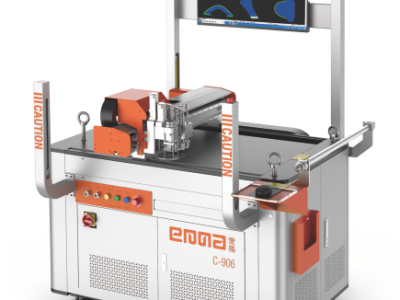
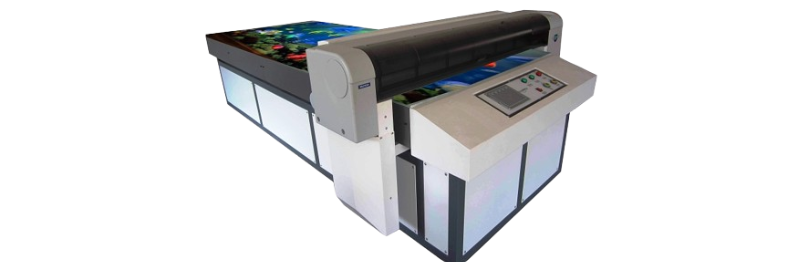
Supply of sophisticated process machinery demands a deep technical grasp of heavy-duty textile manipulation and structural finish. Production of continuous towel automation systems, premium flatbed ink deposition hardware, and high-speed industrial laser cut machinery transforms manual operations into streamlined powerhouses. Precision CNC leather cut mechanisms integrate digital nesting algorithms to generate maximum material savings for high-volume footwear and luxury bag production.
Purchase of industrial grade wash and intensive dry modules guarantees optimized moisture removal across expansive fabric widths. Professional facility setup, structural site assessment, and rigorous mechanical calibration ensure continuous high-speed operation without unexpected mechanical failure. Every mechanism undergoes strict load tests to secure rapid production cycles and immediate operator proficiency.
FAQ’s
What causes microscopic fractures in continuous fabric processes?
Microscopic fractures occur when industrial rollers generate intense friction and thermal stress at high continuous speeds. This extreme tension stretches delicate fibers beyond their physical limits and causes unrecoverable material distortion that ruins the final product.
How do ambient temperature shifts impact internal ink viscosity?
Temperature changes alter the physical fluid dynamics of water-based pigments inside narrow microfluidic channels. High temperatures cause severe particle clumps and nozzle blocks while low temperatures create unwanted ink spread and blurred visual patterns.
Why is gas removal critical for pigment suspension?
Dissolved oxygen within the primary fluid route system forms microscopic bubbles inside high-frequency piezoelectric chambers. Gas extraction removes this trapped oxygen to ensure precise droplet ejection and eliminate printhead failures.
How does automated tension control improve overall equipment effectiveness?
Closed-loop tension monitors detect minute variations in fabric stretch and instantly adjust primary motor speeds. This constant micro-compensation keeps the substrate flat and reduces manual operator labor requirements.
What role do optical inspection cameras play during production?
Advanced algorithmic vision systems scan the fabric for subtle color band anomalies and missing nozzles in real time. Accurate checks prevent massive material waste and trigger automated localized clean cycles before defects multiply.
How do legacy analog systems contribute to high utility expenditures?
Outdated machinery wastes substantial amounts of chemical dyes during manual color changeovers. The extensive wash cycles between production runs consume massive volumes of heated water and harsh chemical solvents.
What prevents airborne contaminants from damage to sensitive sensors?
Positive air pressure within the main enclosed chassis forces dust and stray textile fibers outward. This engineered airflow prevents abrasive lint from deposit onto crucial electronic pathways and delicate encoder strips.
How does predictive maintenance differ from reactive repairs?
Predictive data protocols analyze motor vibrations and component wear to identify failing parts before they break. This proactive engineering approach prevents sudden line breakdowns and extends the operational lifespan of the machinery.
Why is exact temperature regulation vital inside the polymerization chamber?
Precise heat ensures that specialized pigment binders crosslink with the underlying synthetic or natural fabric fibers. Incorrect temperatures cause either poor wash fastness or severe permanent embrittlement and yellow discoloration of the substrate.
How do centralized edge computing nodes enhance daily production schedules?
Centralized nodes analyze performance metrics from every machine sensor to expose hidden mechanical inefficiencies. This data allows managers to queue production jobs and maximize total machine uptime for higher monthly revenue.
Final Analysis
Upgrades to industrial fabric process facilities require a strategic evaluation of continuous stress loads and intensive thermal management capabilities. Facilities that utilize automated optical tension control and advanced continuous fluid gas removal eliminate the primary mechanical variables that cause catastrophic system failures. Optimization of the entire digital production flow guarantees drastic reductions in raw material waste and expensive utility consumption.
A synchronized machinery network empowers operators to handle complex customized orders without frustrating manual setup delays. Evaluation of exact continuous hardware metrics ensures final visual output remains consistent regardless of sudden ambient environmental shifts. Precise automated vision inspection stops defective ruined products from entry into the final package phase.
Mastering these deep technical integrations protects long-term profitability and secures a dominant position within the competitive apparel manufacture landscape. Facilities that monitor their mechanical wear patterns avoid the devastating financial impact of sudden hardware collapse. Exposure to modern digital textile printing methodologies enables rapid output scale while it maintains strict standards for intricate photorealistic visual reproduction.