
Industrial textile and multi-surface fabricators constantly battle the physics of ink deposition. Relying on lightweight chassis designs introduces microscopic vibrations during rapid carriage movements. These structural tremors cause immediate misalignment of microscopic ink droplets across the substrate. Operators often misdiagnose this banding as a software issue when the root cause is purely mechanical instability. Producing high-resolution graphics on rigid substrates demands a foundation engineered specifically to absorb kinetic energy safely. Without this massive stability, production managers face the constant threat of rejected batches, wasted raw materials, and compromised client relationships. The kinetic energy generated by a heavy print carriage reversing direction requires a solid steel gantry to dissipate the force harmlessly.
The financial drain associated with mechanical degradation severely impacts production margins over time. Unplanned downtime resulting from misaligned encoder strips or jammed carriage bearings halts entire manufacturing floors instantly. When a primary machine stalls, the downstream workflow bottlenecks immediately, starving finishing departments of necessary components. This disruption prevents facilities from fulfilling large export orders and incurs heavy contractual penalties from international buyers. Managing these mechanical vulnerabilities requires adopting equipment built with industrial-grade steel and precision-milled gantry rails. The initial capital investment in robust hardware pays immediate dividends by drastically reducing the frequency of emergency maintenance interventions and extending the operational lifespan of the entire line.
Resolving Substrate Registration Variances
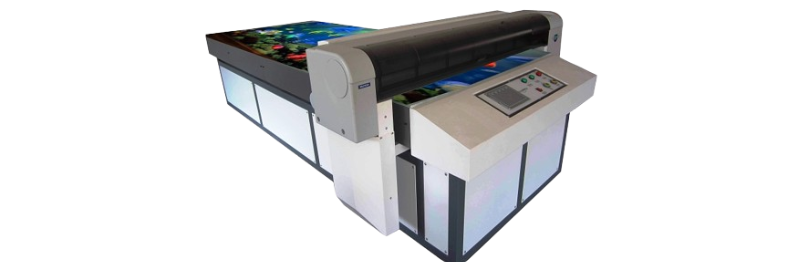
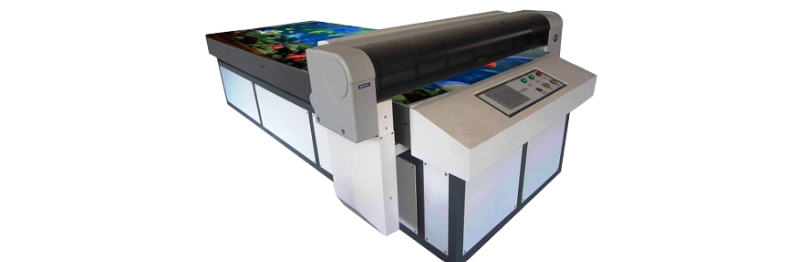
Modern Flatbed Digital Printers fundamentally alter this dynamic by introducing massive structural rigidity into the production equation. Heavy-duty construction provides the necessary baseline for extreme positional precision. When the carriage sweeps across the gantry, the heavy metal frame dampens any resonant frequencies before they reach the sensitive nozzle plates. This stable environment allows the piezoelectric printheads to deposit picoliter-sized droplets with mathematical exactness exactly where the raster processor dictates. Achieving photorealistic details on complex textures like polyurethane leather or textured architectural glass relies entirely on this predictable trajectory.
The resulting image clarity easily satisfies the most rigorous quality inspections demanded by high-end fashion houses and premium accessory brands. Maintaining absolute flatness across diverse materials requires intelligent vacuum table architecture beneath the printing zone. Flexible materials naturally warp or curl when subjected to varying atmospheric conditions inside a busy factory environment. Zoned vacuum beds allow operators to concentrate suction power exactly where the material rests, isolating empty areas to maximize negative pressure. This focused downward force secures the media firmly against the platen, preventing catastrophic head strikes that frequently destroy expensive print nozzles.
Eliminating surface height variations ensures the physical distance between the printhead and the substrate remains perfectly constant throughout the pass. This uniform gap is the critical factor for maintaining sharp graphical edges and preventing airborne ink overspray during rapid bidirectional printing cycles.
Piezoelectric Dynamics and Waveform Optimization
The synchronization between substrate handlers and printhead firing frequencies dictates the final image sharpness achieved on the floor. When investing in commercial multi-surface printing technology, facility managers must evaluate the piezoelectric architecture driving the carriage. Different chemical inks require specific electrical pulses to shear the fluid correctly before ejection from the chamber. Customizing these complex electrical waveforms allows the hardware to handle high-density white inks and heavy clear varnishes without clogging the microscopic pathways. Controlling the fluid dynamics inside the printhead directly translates into flawless color gradients and incredibly vibrant solid color blocks. Precision waveform tuning ensures heavy pigment particles remain suspended and flow smoothly through the piezoelectric channels.
Viscosity fluctuations often derail continuous production runs if the ink delivery system lacks thermal regulation capabilities. Industrial environments experience significant ambient temperature shifts throughout a standard operating shift, altering fluid dynamics unpredictably. Advanced ink systems circulate the fluid continuously through heated sub-tanks, maintaining an optimal viscosity profile right up to the nozzle plate. This constant internal circulation prevents heavy titanium dioxide pigments from settling and starving the printhead during critical production passes. Stabilizing the ink temperature guarantees the extruded droplet volume remains perfectly consistent from the first morning run to the final evening output. Eliminating these temperature-induced viscosity drops prevents sudden color shifts and maintains strict brand compliance across massive batch orders.
Managing Thermal Expansion During Curing Sequences
Transforming liquid ink into a durable polymer requires the precise application of ultraviolet light or localized thermal energy. High-intensity curing lamps generate substantial thermal energy capable of inadvertently altering the dimensional stability of heat-sensitive materials. Applying excessive heat causes thin plastics or treated leathers to warp instantly, ruining the structural integrity of the final manufactured product. Sophisticated systems integrate water-cooled LED arrays emitting specific ultraviolet wavelengths without radiating excessive infrared heat toward the substrate. This cold-curing approach protects delicate raw materials while ensuring the polymer ink bonds permanently to the surface layer. Proper curing management prevents the material degradation previously associated with older mercury-vapor lamp technologies.
Heat dissipation strategies directly influence the longevity and reliability of the curing hardware itself. Continuous high-volume operation demands efficient thermal extraction to prevent the sensitive LED arrays from degrading prematurely. Integrated liquid cooling circuits draw heat away from the lamp housings actively, stabilizing the ultraviolet output intensity over thousands of operational hours. Consistent curing energy is absolutely vital for achieving the correct scratch resistance and chemical durability expected from premium printed goods. Controlling this environmental variable ensures the applied graphics survive rigorous real-world usage without peeling, cracking, or fading prematurely. Reliable cooling infrastructure minimizes lamp replacement costs and prevents the slow degradation of print durability over time.
Advanced Raster Processing and Gamut Control
The mechanical precision of the gantry relies entirely on the complex data fed by the raster image processor. Processing complex vector graphics into machine-readable firing instructions requires immense computational power and sophisticated software algorithms. Advanced software calculates the optimal droplet size for every single pixel, balancing total ink density against the required curing speed. This intelligent profiling prevents ink pooling in dark shadow areas while maintaining incredibly delicate details in extreme highlights. The software also manages the precise under-printing of white ink, creating a vibrant foundation for accurate color reproduction on dark or highly transparent substrates. Intelligent rendering prevents ink-bleed and ensures crisp typographic elements even on heavily textured materials.
Color consistency across multiple production batches defines the professional reputation of a commercial printing facility. Advanced software utilizes detailed spectrophotometer data to build custom color profiles for every unique material type entering the floor. Calibrating the output ensures a specific corporate brand logo appears absolutely identical whether printed on a leather football or a glass presentation plaque. This predictable color reproduction eliminates the wasteful trial-and-error approach previously required when matching pantone values manually. Relying on digital color management reduces setup times drastically and guarantees identical repeat runs months or years down the line. Consistent profiling builds deep client trust and secures lucrative long-term manufacturing contracts.
Engineering Reliable Multi-Surface Architectures
Achieving supremacy in diverse material decoration requires machinery designed specifically for heavy industrial workloads. Premium flatbed platforms offer expansive capabilities for printing directly onto footballs, leather goods, polyurethane materials, and custom textiles with absolute precision. High-resolution output combined with extreme mechanical reliability ensures continuous production even during peak seasonal demand spikes.
Utilizing cost-effective printheads priced under five hundred US dollars significantly lowers the long-term total cost of ownership for growing businesses. This accessible maintenance model empowers facilities to scale their operations aggressively without fearing catastrophic repair bills down the line. By combining vibrant color reproduction with fine detail rendering, these robust Aura systems provide the ultimate solution for demanding manufacturing environments.
FAQ’s
What causes banding during high-speed bidirectional passes?
Banding typically occurs when microscopic vibrations in a lightweight gantry disrupt the droplet trajectory. Heavy-duty steel chassis designs absorb this kinetic energy, ensuring droplets land exactly where intended without scattering.
How does zoned vacuum architecture prevent material warping?
Zoned systems allow operators to isolate suction power exclusively beneath the loaded substrate. This concentrated downward pressure flattens curled edges and holds flexible materials completely rigid during the printing cycle.
Why is thermal regulation critical for white ink systems?
White ink contains heavy titanium dioxide particles that settle rapidly. Thermal regulation and continuous circulation maintain proper fluid viscosity, keeping these heavy pigments suspended and preventing sudden nozzle clogs.
What role does waveform optimization play in droplet placement?
Waveforms dictate the exact electrical pulse sent to the piezoelectric crystal. Tuning these pulses ensures the printhead shears the fluid cleanly, ejecting perfectly spherical droplets rather than messy fluid strings.
How do water-cooled LED arrays protect delicate substrates?
Water-cooled arrays extract thermal energy from the lamp housing, preventing the emission of intense infrared heat. This cold-curing approach solidifies the ink without melting or warping sensitive thin plastics.
What metrics indicate the successful implementation of modernized equipment?
Facility managers should track reductions regarding scrapped materials due to head strikes, decreases in total ink consumption per square meter, and increases in active daily printing hours.
How does continuous fluid circulation extend printhead lifespan?
Circulation prevents stagnant ink from drying inside the internal microscopic pathways. Moving fluid constantly flushes air bubbles and settled pigments away from the nozzle plate, drastically reducing permanent clogs.
Why is mechanical rigidity necessary for photorealistic output?
Photorealistic graphics require placing picoliter-sized droplets with microscopic accuracy. Any frame flexing alters the distance between the nozzle and the material, instantly destroying image sharpness and clarity.
How does raster image processing manage variable droplet sizes?
Advanced software analyzes the digital image and commands the printhead to fire larger droplets for solid color blocks and microscopic droplets for delicate gradients, optimizing both speed and visual fidelity.
What is the primary advantage of utilizing low-cost replacement printheads?
Lower replacement costs drastically reduce the total cost of ownership. Facilities can replace degraded components proactively rather than pushing compromised hardware beyond its useful lifespan to save money.
Final Words
The evolution of modern graphic fabrication relies on eliminating structural variables and maximizing fluid control. Adopting intelligent hardware transforms struggling facilities into highly competitive global enterprises. Factory floors embracing rigid gantry designs and zoned vacuum beds experience drastically fewer disruptions while producing higher-quality goods consistently. The elimination of manual calibration bottlenecks allows businesses to scale their daily operations confidently and efficiently.
Managers must prioritize replacing deteriorating, lightweight chassis systems with responsive, heavily engineered manufacturing solutions. The financial benefits of reduced material waste and lowered daily ink consumption create a remarkably strong foundation for future facility expansion. Maintaining strict environmental controls and predictive maintenance schedules further extends the lifespan of these valuable capital investments. Protecting the core machinery ensures the entire production line remains highly profitable year after year.
Optimizing commercial digital printing operations requires a deeply holistic approach regarding overall facility management. Integrating specialized hardware with smart raster processing ensures the entire supply chain functions smoothly from raw material to finished product. Facilities investing strategically in high-stability, dynamically controlled infrastructure will continue dominating the global multi-surface export market for decades.