
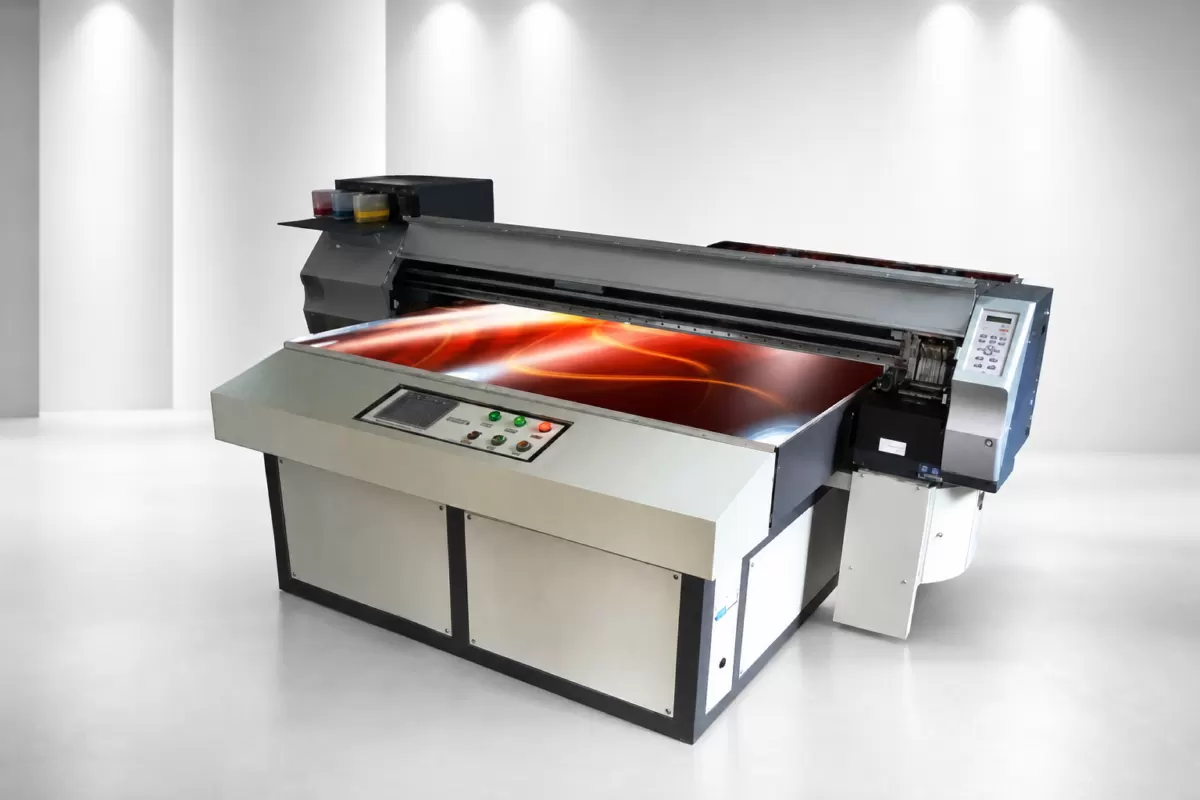
What is a digital textile printing machine?
A digital textile printing machine is industrial printing equipment designed to place artwork directly onto fabric using digital files rather than traditional screens or plates. For textile manufacturers, that means faster design changes, more flexible production planning, and a shorter path from sample to finished output.
In practical terms, digital textile printing is most useful when a business needs repeatable color, frequent design changes, short runs, or custom orders. It is commonly evaluated for apparel, home textiles, sportswear, and sample development, where speed and flexibility matter as much as print quality.
If you are comparing equipment categories, Texserco’s Aura digital textile printing machine line is positioned for buyers who want a dedicated textile printing solution rather than a general-purpose printer. That distinction matters because the right machine should fit your fabric type, workflow, and production goals—not just your artwork needs.
How digital textile printing works in production
Digital textile printing fits into a broader textile production workflow, not as a standalone device. In most factories, the process starts with a digital file, then moves through fabric preparation, printing, drying or curing, inspection, and downstream finishing.
While exact steps vary by fabric and ink system, the workflow usually includes:
- Artwork preparation — the design is formatted for the target fabric and print width.
- Fabric preparation — some textiles require pre-treatment to help the ink bond properly.
- Printing — the machine deposits ink with controlled placement and repeatability.
- Drying or curing — the printed fabric is processed so the image becomes durable and usable.
- Quality control — operators check registration, color consistency, and surface defects.
- Finishing integration — printed fabric moves to cutting, sewing, or other downstream steps.
This is where digital printing differs from a purely graphic workflow. In textile manufacturing, the printer has to work as part of a controlled production line. If pre-treatment, drying, or inspection is weak, the print result may look acceptable at first but fail later in finishing or use.
Digital textile printing vs flatbed digital printers
Buyers often compare digital textile printing with flatbed digital printers, but these systems are not interchangeable. They serve different production environments and should be chosen based on substrate, handling method, and output goals.
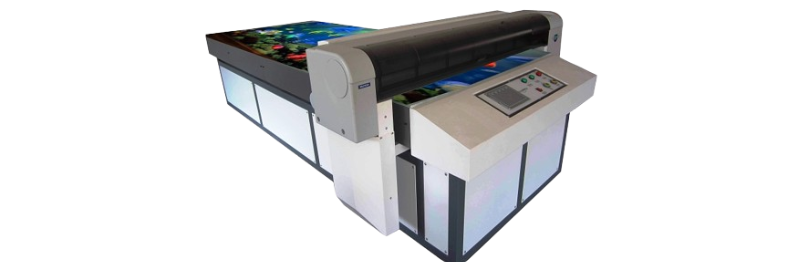
A textile printing machine is built around fabric handling and textile ink workflows. A flatbed printer, by contrast, is designed for rigid or semi-rigid substrates and is often used where the material stays flat on the bed during printing. Texserco’s flatbed digital printers category is useful to review if your operation prints on boards, panels, or other non-fabric materials alongside textile-related work.
Here is the simplest way to think about the difference:
- Digital textile printing is the better fit for fabric-based production, apparel, and soft home textiles.
- Flatbed printing is better suited to rigid substrates and applications that require a fixed, flat print surface.
- Workflow matters — fabric movement, drying needs, and post-processing are very different from panel printing.
For a textile manufacturer, the key question is not which machine is “better” in general. It is which one matches the material, output volume, and finishing process you already run.
When to choose Aura digital textile printing
Digital textile printing becomes especially attractive when a business needs production flexibility without sacrificing process control. If your factory handles frequent design changes, customer-specific orders, or sample-to-production transitions, a dedicated textile printer can reduce the friction of changeovers and help standardize output.
Product fit and use cases
The Aura digital textile printing machine category is relevant for manufacturers that want high-speed textile printing technology aligned with real production demands. According to the product page, Aura is presented as a high-speed digital textile printing solution with more than 250 installations worldwide.
That kind of system is typically considered when the business needs one or more of the following:
- Short-run or custom fabric production
- Faster sample development before bulk approval
- More frequent design changes without screen setup
- Better coordination between printing and downstream finishing
- Scalable output for apparel, home furnishing, or related textile applications
As with any industrial printing equipment, the real value comes from fit. A machine can be technically capable, but if it does not match your fabric range, operator skill level, or maintenance plan, it will be harder to run consistently.
Key buying criteria before you request a quote
Before you compare prices, define the production problem you are trying to solve. A good quote request should include fabric types, expected print width, daily output needs, and whether the machine will support sampling, bulk production, or both.
Print quality, substrate compatibility, maintenance
These three areas deserve close attention:
- Print quality — Ask how the machine handles fine detail, color consistency, and repeat registration. Request sample output on your actual fabric, not just a generic sample.
- Substrate compatibility — Confirm which fabrics and pre-treatment steps are required. A machine that works well on one textile may need adjustments for another.
- Maintenance — Ask how often cleaning is needed, what consumables are involved, and how easy it is to source spare parts and service support.
Also review the less visible factors that affect uptime:
- Operator training requirements
- Software usability and color management tools
- Drying or curing integration
- Power, air, and floor-space needs
- Service response time and local technical support
For many buyers, after-sales support is not an extra—it is part of the machine’s real cost of ownership. That is especially true in textile plants where production delays can affect multiple downstream operations.
Operational benefits for textile manufacturers
When selected and managed well, digital textile printing can improve more than image output. It can also strengthen production discipline.
- Faster changeovers — digital files reduce the need for screen preparation and make design updates easier.
- More flexible production planning — factories can handle short runs, samples, and reprints with less disruption.
- Better process control — consistent digital workflows make it easier to standardize settings and inspect results.
- Less material waste risk — precise file-based printing can reduce setup-related waste compared with more manual methods, though actual results depend on the workflow.
- Improved responsiveness to buyers — quicker sampling and controlled repeat production help manufacturers answer customer requests faster.
These advantages are especially relevant in sectors where design cycles are short and buyer expectations change quickly. Industry discussions around decor and apparel manufacturing increasingly point toward more responsive, digitally enabled production models, not because every plant must become fully automated overnight, but because flexibility is becoming a competitive requirement.
Compliance, traceability, and buyer expectations
Digital textile printing is not a compliance solution by itself, but it can support better documentation and process control. In export-oriented textile businesses, buyers increasingly expect evidence of how work is managed, not just the final product.
That is where controlled digital workflows help. When print settings, job files, fabric batches, and inspection steps are organized, it becomes easier to trace what happened during production. This can support internal quality systems and make buyer conversations more credible.
Recent sector commentary has also highlighted a broader reality for Pakistan’s textile industry: compliance, traceability, and operational proof are becoming commercial expectations, not just back-office tasks. For manufacturers, that means a machine investment should be evaluated not only for speed, but also for how well it fits a documented, auditable process.
Practical takeaway: the best printing system is one that helps you produce consistent fabric, document the workflow, and answer buyer questions with confidence.
FAQs about digital textile printing machines
What does a digital textile printing machine do?
It prints digital artwork directly onto fabric using textile-compatible inks and a controlled production workflow. The goal is to produce repeatable fabric output with less setup than traditional screen-based methods.
Is digital textile printing better than flatbed printing?
Not universally. Digital textile printing is better for fabric-based work, while flatbed digital printers are better for rigid or semi-rigid materials. The right choice depends on your substrate and production process.
What should I check before buying one?
<p