
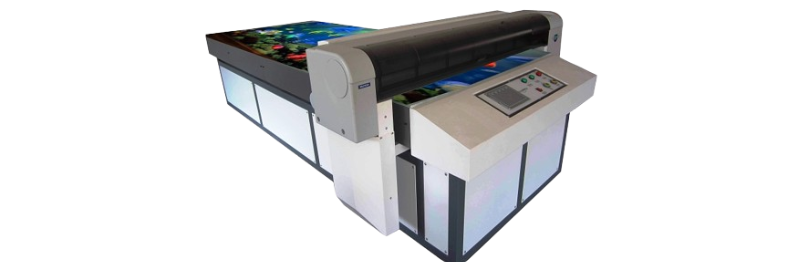
The textile industry is changing quickly, and printing technology has become an important part of that transformation. Customers now expect detailed designs, consistent quality, attractive colours, and greater flexibility without always requiring very large production runs. Traditional printing methods can still be useful, but they may not provide the same level of flexibility when businesses need customised designs, shorter runs, or faster changes between jobs. Digital printing offers another approach by bringing more control and efficiency into the production process.
Flatbed digital printing is particularly useful for textile applications where accurate placement, controlled printing, and handling of individual fabric pieces are important. Instead of depending entirely on traditional production methods, a flatbed system can provide a more direct way to transfer digital artwork onto textile materials. This makes the technology suitable for manufacturers that want to improve design flexibility while maintaining a professional production workflow.
What Is Flatbed Digital Printing?
Flatbed digital printing is a printing process in which textile material or individual fabric pieces are positioned on a flat printing surface before the design is applied. The printer works directly from digital artwork, allowing the operator to produce detailed patterns, images, graphics, and other designs without creating traditional printing screens for every new artwork.
The flatbed setup can be especially useful when the material needs to stay accurately positioned during printing. This helps make the process suitable for cut pieces, panels, samples, and other textile applications where control over placement matters. It also allows production teams to move between different designs without having to completely rebuild the printing setup for each job.
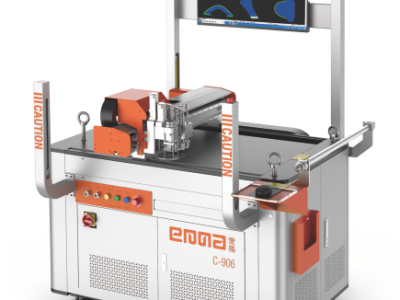
The category of flatbed digital printing equipment is designed specifically for industrial textile printing applications, making it relevant to production environments where reliable output and practical workflow integration are important.
Why Are More Textile Businesses Interested in Digital Printing?
One of the biggest advantages of digital printing is flexibility. Modern textile businesses may handle several different types of orders within the same production environment. One customer may require a simple repeating design, while another may need a detailed custom pattern or a limited quantity of printed pieces.
Traditional processes can become less convenient when the design changes frequently. Digital printing reduces some of that setup complexity because artwork can be prepared and sent to the printer electronically. This makes it easier to respond to changing orders and experiment with different design ideas.
Digital workflows can also support faster design changes. A production team can prepare new artwork without making a completely new physical setup for every variation. This can be valuable for fashion samples, custom textile products, interior fabrics, promotional materials, and other applications where design variety is important.
How Does a Flatbed Printer Work?
The printing process begins with the preparation of digital artwork. The design is checked for dimensions, colours, positioning, and other production requirements before it is sent to the printing system.
The textile material is then placed on the flatbed area. Proper positioning is important because the final design needs to appear exactly where it is intended. Once the material is secured and the print settings are selected, the machine applies ink according to the prepared digital design.
Unlike methods that rely heavily on fixed screens or plates, the digital workflow allows the printer to receive different artwork files for different jobs. After printing, the textile may require an appropriate curing, drying, fixing, or finishing process depending on the material and ink system being used.
The exact workflow can vary according to the machine configuration, fabric type, ink technology, and required finish. For this reason, businesses should evaluate the complete production process instead of considering the printer as a standalone piece of equipment.
What Types of Textile Work Can Benefit From Flatbed Printing?
Flatbed technology can be useful for a wide range of textile work, particularly where accuracy and design flexibility are valuable. It can support printed fabric panels, individual cut pieces, samples, decorative textiles, customised textile products, and specialised production jobs.
Fashion production is one area where flexible printing can be useful because designers often need to test patterns before committing to larger quantities. Instead of producing a large volume of material immediately, a business can create samples and evaluate the final appearance before moving forward.
Home textile production can also benefit from digital printing. Decorative fabrics often require detailed artwork, repeated motifs, illustrations, or customised colour combinations. Digital printing makes it easier to manage these design variations without creating a separate physical setup for every artwork.
Another advantage is the ability to work with smaller or more customised jobs. Not every customer needs thousands of identical pieces. Some orders may involve limited quantities where traditional setup costs can have a bigger impact on overall production efficiency.
Can Flatbed Printing Improve Design Flexibility?
Yes, flexibility is one of the strongest reasons to consider digital flatbed technology.
With a digital workflow, the artwork can be changed from one job to the next without requiring the same type of preparation associated with traditional screen-based production. This makes it easier to produce multiple designs during the same working period.
Designers also have greater freedom to experiment. They can test different colours, graphics, layouts, and patterns before selecting the version that works best for the final product.
This is particularly useful when customers expect customisation. A textile manufacturer may receive several orders that are similar in construction but different in visual appearance. Digital printing makes those changes easier to manage because the artwork can be adjusted digitally.
Why Is Accurate Print Placement Important?
Good print quality is not only about sharp images and attractive colour. Positioning is equally important.
When printing individual textile panels or cut pieces, the design needs to appear in the correct location. Even a high-quality image can look unprofessional when it is incorrectly aligned with the shape or dimensions of the material.
A flatbed arrangement provides a controlled printing surface that can help with positioning. Correct loading, alignment, artwork preparation, and machine calibration all contribute to the final result.
For businesses producing products with specific design placement requirements, this level of control can make the production process more predictable.
How Can Digital Printing Reduce Production Setup?
Traditional printing can involve several preparation stages before the actual production run begins. When the artwork changes regularly, those preparation requirements can consume time and resources.
Digital printing simplifies the artwork-to-print workflow because the design exists as a digital file. Once the artwork has been prepared correctly, it can be sent to the printing system without creating a new screen for every design.
This does not mean that preparation disappears completely. Operators still need to check artwork, materials, ink requirements, print settings, positioning, and finishing requirements. However, digital processes can make frequent design changes easier to manage.
For businesses handling many different jobs, this flexibility may help improve how production time is allocated.
What Should You Consider When Choosing a Flatbed Printing System?
Buying a printer should never be based only on the headline print speed or the appearance of sample output. A suitable system needs to match the business’s actual production requirements.
Start by considering the materials being printed. Different fabrics can behave differently during printing, and the correct ink and curing process depend on the application. Understanding the materials you regularly use will help determine whether a particular system is appropriate.
The required print area is another important consideration. Businesses should identify the size of their usual textile pieces and select equipment that can accommodate those dimensions comfortably.
Production volume also matters. A system designed for occasional sample work may not provide the same workflow benefits as equipment intended for continuous industrial production. Consider average daily output, peak workloads, order frequency, and future growth before making a decision.
Ease of operation should also be considered. A complicated machine can create unnecessary training requirements and increase the chance of production mistakes. A practical control system and a clear workflow can make everyday operation easier for staff.
Why Is Ink Compatibility So Important?
Ink selection has a direct influence on appearance, durability, colour performance, and finishing requirements. Textile businesses should therefore pay close attention to the type of ink supported by the printing system.
The choice should be based on the fabric, desired colour result, required durability, and downstream finishing process. A printer is only part of the overall production system, so its ink technology needs to work effectively with the textile materials being used.
It is also useful to consider how easily the business can maintain consistent ink performance. Regular maintenance, correct storage, suitable operating conditions, and proper machine settings can all contribute to stable print quality.
How Does Flatbed Printing Support Custom Textile Orders?
Customisation is becoming increasingly important across many textile applications. Customers may want unique designs rather than standard patterns that are produced in large quantities.
Flatbed Digital Printers can support this type of production by making it easier to move from one digital design to another. A business can prepare separate artwork files for individual orders and print them according to the required specifications.
This approach can be useful for personalised products, limited-edition designs, sample development, artwork testing, and small production batches. It can also help businesses offer more design choices without creating a complicated physical setup for every variation.
The ability to handle different artwork efficiently can become a competitive advantage when customers value uniqueness and quick turnaround.
Does Flatbed Printing Help With Textile Samples?
Sampling is an important part of textile development. A design may look excellent on a computer screen but produce a different visual result once printed onto actual fabric.
Digital printing can make sample production more practical because designs can be tested directly on the intended material. This gives designers and production teams an opportunity to examine colour, detail, placement, and overall appearance before committing to larger quantities.
Sampling can also help identify problems early. A business can make changes to the artwork, test another version, and refine the design before beginning a larger production run.
This approach can reduce unnecessary waste and make the development process more controlled.
What Role Does Machine Maintenance Play?
Even advanced printing technology requires regular maintenance. Print quality can suffer when printheads, ink systems, surfaces, or other machine components are not kept in suitable condition.
Operators should follow the recommended maintenance procedures and establish a consistent cleaning and inspection routine. Small issues are often easier to address when they are noticed early rather than after they begin affecting a large production batch.
Proper maintenance can also help protect production consistency. When a machine performs predictably, operators can spend more time on production and less time dealing with avoidable interruptions.
Maintenance should therefore be considered part of the operating cost and production planning when evaluating any flatbed printing system.
How Can Businesses Get Better Results From Digital Textile Printing?
Good results come from more than simply owning advanced equipment. The entire workflow needs to be organised properly.
Artwork should be prepared according to the machine’s requirements. Fabric should be clean, flat, and correctly positioned. Print settings should match the material and desired result. Operators should also understand how different designs and fabrics respond during printing.
Testing is another important part of the process. Before beginning a large order, producing a test print can help confirm that the colours, positioning, details, and overall appearance meet expectations.
Businesses should also document successful settings for commonly used fabrics and designs. This creates a repeatable workflow and can make future production easier.
Is Flatbed Digital Printing Suitable for Every Business?
Not necessarily. The right printing system depends on the company’s products, materials, production volume, available workspace, budget, and required level of customisation.
A business mainly focused on very large, repetitive production runs may have different priorities from a company that frequently handles samples, custom orders, and short batches.
This is why a machine should be evaluated according to the actual production environment. Businesses should look at print area, material compatibility, workflow requirements, expected output, maintenance needs, operator training, and long-term operating costs.
The goal should not simply be to purchase a technologically advanced printer. The goal should be to choose equipment that solves real production problems.
What Are the Main Benefits to Keep in Mind?
Flatbed digital printing can bring several useful advantages to textile production. It can make design changes easier, support customised orders, improve control over individual textile pieces, and simplify the movement from digital artwork to printed output.
It can also make sampling and smaller production jobs more practical. For businesses that regularly handle changing designs, these advantages can help create a more flexible production environment.
However, successful results still depend on selecting suitable materials, maintaining the equipment, preparing artwork correctly, and developing a consistent production workflow.
Building a More Flexible Textile Printing Workflow
The future of textile production is not only about producing more material. It is also about responding more effectively to changing customer expectations.
Digital printing provides an opportunity to connect design and production more directly. Instead of treating every new design as a completely separate physical setup, businesses can use digital artwork to create a more flexible workflow.
Flatbed systems are especially valuable when textile pieces need accurate positioning or when production involves samples, custom designs, panels, and smaller quantities. The technology can give manufacturers more freedom to experiment while maintaining a structured production process.
As textile businesses look for better ways to manage customisation and design variety, digital printing can become an important part of a modern production strategy. The best results come when the printer, ink system, materials, artwork, operators, and finishing processes are considered as one complete workflow.
Conclusion
Flatbed digital printing can help textile manufacturers create a more adaptable and efficient approach to modern printing. Its digital workflow makes it easier to change designs, produce samples, manage customised work, and handle textile pieces where accurate placement is important.
The technology is not automatically the right answer for every production environment, but it can be highly valuable for businesses that need flexibility and greater control over their printed textile work. Choosing the right equipment requires careful attention to materials, print area, production volume, ink compatibility, maintenance, and workflow requirements.
With the right setup and disciplined production practices, flatbed printing can help textile businesses respond to modern design demands while building a more flexible and controlled manufacturing process.