
Operating a modern textile production facility requires intricate synchronization across all mechanical and digital layers. The fundamental challenge involves moving raw materials through complex weaving, dyeing, and finishing stages without introducing bottlenecks that compromise overall yield. High-volume environments depend heavily on continuous material flow, where even minor discrepancies between machine speeds lead to massive material waste and compromised fabric integrity. Industrial operators focus entirely on establishing seamless communication between initial fabric spreading systems and final packaging units. Every component must communicate precise tension, moisture, and dimensional data to ensure the entire assembly operates as a single, unified organism. Understanding the nuances of this synchronization allows plant managers to eliminate structural inefficiencies and maintain rigorous quality standards across massive production runs.
Traditional setups often rely on isolated workstations requiring manual intervention to transport goods between different processing stages. This disconnected approach inherently creates vulnerability, introducing human error into highly sensitive tension-control environments. Upgrading these isolated systems to a fully synchronized line requires integrating intelligent controllers capable of monitoring hundreds of variables simultaneously. Engineers evaluate precise sensor data regarding fabric stretch, heat distribution, and chemical absorption to calibrate subsequent machines within the same processing line. Deploying an interconnected architecture transforms a vulnerable, fragmented facility into a robust processing powerhouse capable of handling immense volumes with minimal manual oversight.
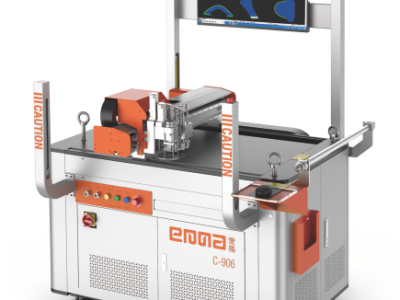
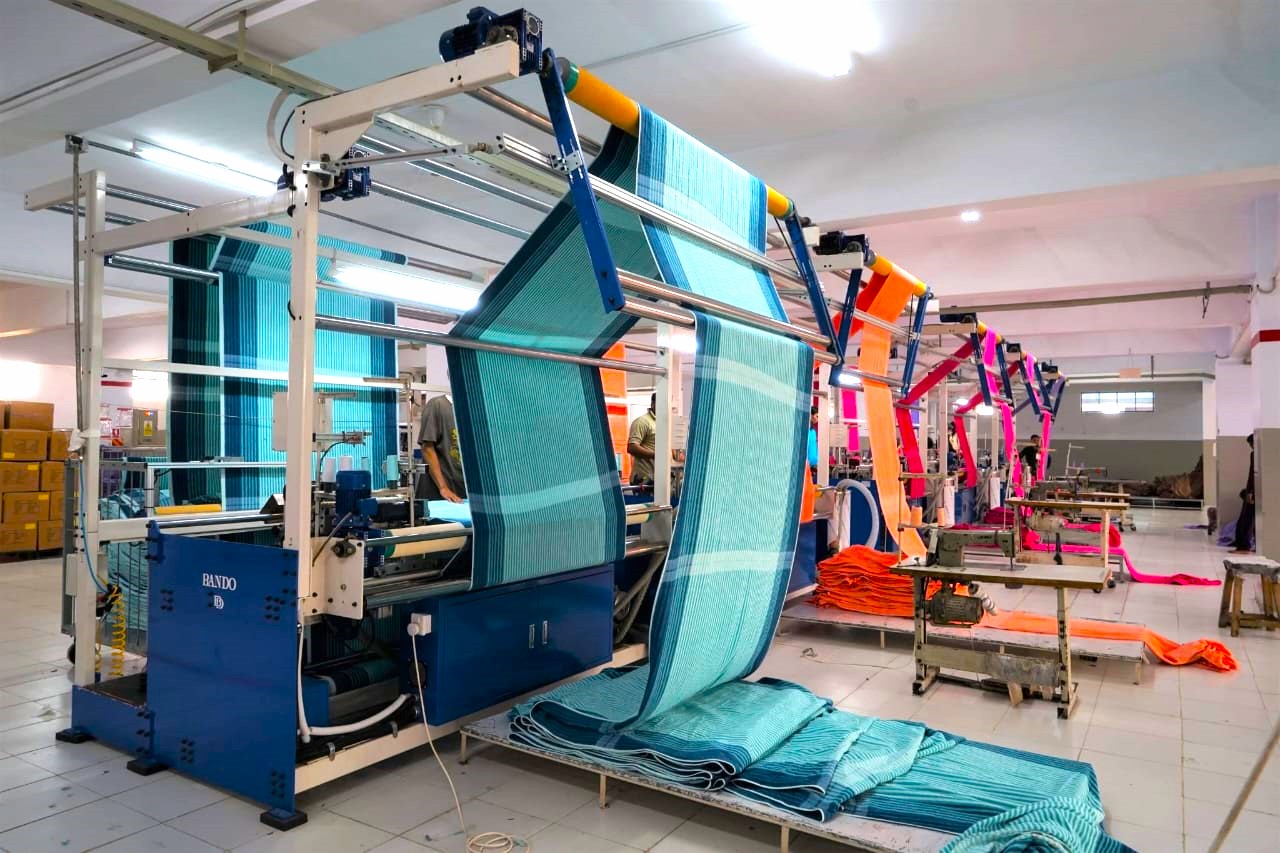
Achieving this level of continuous flow heavily depends on specialized equipment designed specifically for automated communication. When configuring an optimized setup, implementing Towel Automation machines provides a perfect example of intelligent process consolidation. These specialized units combine previously separate tasks like hemming, cross-cutting, and auto-length slitting into one uninterrupted cycle. Consolidating these actions immediately reduces the physical footprint required for production while simultaneously eliminating the intermediate handling stages that frequently cause fabric distortion. Plant operators utilizing these comprehensive systems observe immediate improvements regarding dimensional consistency and a drastic reduction regarding fabric waste.
Overcoming Mechanical Degradation and Unplanned Downtime
The cost of unplanned downtime and mechanical degradation presents a severe threat to operational profitability. When heavy-duty motors and gearboxes operate outside their optimal synchronization parameters, they experience compounded stress that accelerates metal fatigue and component failure. A misaligned continuous tumbler or an overstressed drying chamber forces the entire upstream production line to halt, resulting in thousands of meters of ruined fabric trapped inside chemical baths or heating units. Plant managers must calculate not just the cost of replacing broken belts or burnt servo motors, but the catastrophic financial impact of lost production hours and missed shipping deadlines. Implementing predictive maintenance protocols alongside integrated control systems allows operators to detect minute vibrational anomalies before they escalate into catastrophic mechanical failures.
Establishing an intelligent feedback loop between cutting systems and storage units directly mitigates these mechanical risks. Advanced facilities utilize automated tracking mechanisms to monitor the exact wear patterns on slitting blades and drive chains. By upgrading to comprehensive textile automation solutions, facility directors can automatically reroute production loads to alternative machines during scheduled maintenance windows without stopping the main production flow. This strategic routing prevents any single machine from bearing excessive loads over prolonged periods. Maintaining this equilibrium extends the lifespan of expensive industrial assets and guarantees a predictable, stable output volume week after week.
The Architecture of Continuous Textile Processing
Transitioning to an integrated processing model requires fundamental changes regarding how materials physically move through a facility. High-capacity operations replace manual carts and pallet jacks with automated shuttle systems and continuous overhead conveyors. These automated transport mechanisms sync directly with the output speed of flatbed digital printers and industrial laser cutters. As printed materials exit the curing chamber, the automated warehousing system instantly calculates the optimal storage location or routes the fabric directly to the finishing department. This elimination of static staging areas dramatically reduces the work-in-progress inventory, freeing up valuable floor space and reducing capital tied up within unfinished goods.
Quantifiable Metrics Within Automated Fabric Slitting
Integrating sophisticated processing equipment yields specific, measurable improvements that directly impact the financial bottom line. Facility operators transition away from vague estimations and begin tracking precise performance indicators. Analyzing these specific data points reveals the true value of mechanical synchronization.
- Efficiency Gains: Transitioning to fully automated laying and cutting systems typically increases production speed by 400 percent compared to manual processing methods. One hour of automated operation easily replaces up to six hours of conventional labor.
- Cost Reduction Percentages: Utilizing precision digital nesting technology reduces raw material waste by approximately 15 percent per quarter. This targeted reduction in scrap material translates directly into higher profit margins.
- Energy Optimization: Modern four-pass industrial curing systems reduce electrical and thermal energy consumption by 25 percent through advanced heat recovery and intelligent moisture sensing technologies.
- Growth in Volume Capacity: Facilities implementing automated cross-cutting and hemming equipment report a 60 percent increase regarding daily output capacity, enabling them to secure larger contracts and scale their business operations efficiently.
Precision Cross-Cutting Efficiencies
The cross-cutting phase traditionally represents a massive bottleneck within high-volume fabric production. Integrating high-speed automated cross-cutters equipped with pattern recognition cameras eliminates this friction entirely. These optical systems scan the fabric surface continuously, identifying specific weave patterns or printed markers to execute perfectly straight cuts without pausing the material flow. This relentless precision ensures every single finished piece meets strict dimensional tolerances, completely eliminating the need for manual secondary trimming.
Heat Exchanger Integration
Thermal management plays a crucial role in maintaining high-speed continuous operations. Integrating advanced industrial heat exchangers into the washing and drying lines allows facilities to capture waste heat from exhaust air and transfer it directly to incoming freshwater supplies. This closed-loop thermal integration drastically lowers the boiler workload and minimizes the environmental footprint of the entire operation. Operators maintain exact temperature profiles across all chemical baths, ensuring consistent dyeing results while slashing utility expenditures.
Synchronization Between Digital Printing and Finishing
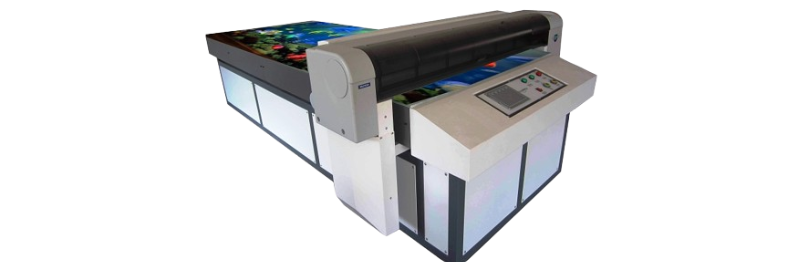
The digital printing revolution demands equally sophisticated finishing processes to handle the increased output. High-resolution flatbed printers apply intricate designs onto diverse surfaces, requiring immediate, precise curing to lock the pigments into the fibers. Integrating the printing software directly with the industrial dryers ensures the curing temperature adjusts automatically based on the specific ink density and material type passing through the chamber. This seamless digital handshake prevents under-curing, which causes color bleeding, and over-curing, which destroys the structural integrity of delicate materials. High-capacity environments rely entirely on this software-driven harmony to produce flawless patterns efficiently.
Energy-Efficient Material Handling Systems
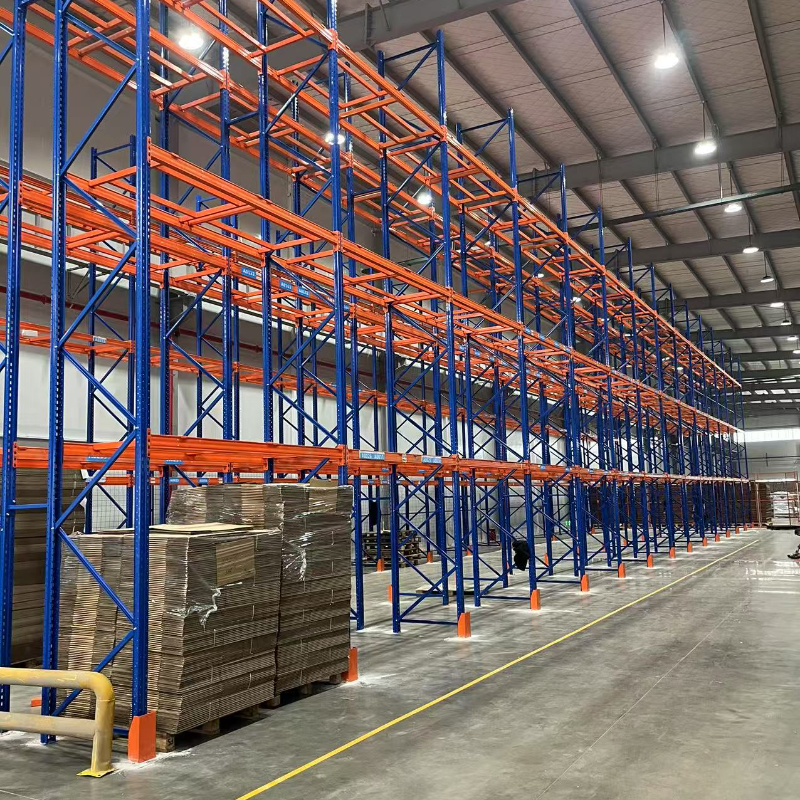
Modernizing a facility extends beyond the primary processing equipment to encompass the entire material handling infrastructure. Integrating intelligent racking systems equipped with robotic retrieval units minimizes the time and energy spent moving heavy fabric rolls. These robotic systems utilize regenerative braking to power their own internal batteries, further reducing the electrical demand on the main facility grid. Plant managers rely on these silent, tireless systems to feed the production lines continuously, ensuring the laser cutters and hemming stations never experience idle time due to material shortages. Optimizing the flow of heavy goods fundamentally transforms chaotic factory floors into streamlined engineering environments.
Improving Output Rates with Data-Driven Warehouse Management
The final critical component of a fully integrated manufacturing environment involves intelligent storage and retrieval architectures. Smart warehousing systems connect directly to the central enterprise resource planning software, providing real-time visibility into finished goods inventory. When an order arrives, the system automatically dispatches automated guided vehicles to retrieve the exact textile rolls required for shipment. This instantaneous response eliminates the labor-intensive process of manual inventory auditing and drastically accelerates order fulfillment cycles. By removing the guesswork from warehouse management, industrial operators guarantee rapid, accurate deliveries for their most demanding clients.
Upgrading Production Lines with Advanced Engineering
Achieving world-class manufacturing standards requires partnering with specialized engineering teams that understand the deep complexities of fabric processing. Implementing premium automated slitting, hemming, and cross-cutting technology transforms struggling facilities into highly competitive industrial powerhouses. The integration of advanced digital nesting systems and industrial-grade laser cutters guarantees clean, sealed edges and superior finishing quality across millions of production cycles. Utilizing highly durable, precision-engineered machinery ensures consistent performance while handling the most demanding high-volume workloads imaginable.
Transitioning to these advanced mechanical setups provides facility owners with profound peace of mind. Robust industrial cooling systems, heavy-duty continuous tumblers, and high-speed flatbed printers work in perfect harmony to maximize daily throughput. Operators benefit from intelligent software interfaces that simplify complex calibrations, allowing technicians to achieve perfect material tension and temperature control with minimal training. This deep technical ecosystem fundamentally secures the long-term viability and profitability of any large-scale fabric production enterprise.
Decades of specialized engineering experience culminate in these highly refined, interconnected mechanical systems. With a massive global footprint spanning multiple continents and hundreds of successful installations, these advanced architectures prove their reliability daily. Facilities adopting these cutting-edge processing networks immediately separate themselves from competitors relying on outdated, fragmented technology. Committing to intelligent, fully integrated production hardware represents the ultimate strategy for dominating the modern industrial landscape.
FAQ’s
What causes the highest mechanical degradation within continuous fabric processing lines?
The primary factor involves misaligned tension control between sequential machines. When drive motors operate without synchronized communication, they exert conflicting pulling forces on the material, causing severe stress on gearboxes, bearings, and the fabric itself.
How does intelligent nesting technology reduce raw material waste?
Advanced nesting software utilizes complex algorithms to arrange cut patterns tightly across the fabric surface. This mathematical optimization eliminates the empty spaces typically left by human operators, consistently reducing scrap by significant margins across high-volume runs.
Why is thermal integration crucial for industrial curing chambers?
Thermal integration captures the intense heat exiting the drying systems and redirects it to pre-heat incoming water or air supplies. This closed-loop process drastically lowers the energy required from primary boilers, securing massive reductions regarding monthly utility expenditures.
What specific metrics indicate a successful transition to automated slitting?
Plant managers track the immediate reduction regarding secondary trimming labor, the exact percentage of fabric saved from accurate length measurements, and the sheer volume increase of finished pieces passing quality control without manual intervention.
How do automated tracking mechanisms prevent unplanned machine downtime?
These digital sensors monitor the minute vibrational patterns and heat signatures of critical moving parts. By detecting microscopic deviations from normal operating parameters, the system alerts technicians to replace wearing components long before a catastrophic failure stops production.
What role do continuous overhead conveyors play within high-capacity facilities?
These specialized transport networks keep massive fabric rolls off the floor, transferring them seamlessly between the printing, curing, and storage zones. This vertical movement clears ground space for active machinery and completely removes forklift traffic from sensitive production areas.
How does software synchronization prevent material over-curing?
The digital controllers link the operational speed of the printing units directly to the heat intensity of the subsequent drying chambers. If the fabric feed slows down, the system immediately drops the curing temperature to prevent scorching and protect the material structure.
Why do manual handling stages cause dimensional distortion in woven materials?
Physically lifting and dragging wet or warm fabric across varying tension points permanently alters the structural alignment of the weave. Automated roll-to-roll transfers maintain a perfectly calculated, constant tension that preserves the exact intended dimensions.
What advantage do laser cutting systems offer over traditional mechanical blades?
Industrial lasers seal the edges of synthetic materials as they cut, completely preventing fraying. This non-contact method also eliminates physical blade wear, ensuring the one-millionth cut remains just as precise and clean as the very first.
How do robotic retrieval units optimize the final shipping process?
These intelligent systems navigate the warehouse autonomously, locating and extracting specific fabric rolls based on real-time order data. This instantaneous, error-free retrieval bypassing manual searching allows facilities to dramatically accelerate their outbound logistics operations.
Final Summary
Implementing a comprehensive integrated architecture entirely restructures the fundamental capabilities of any large-scale fabric processing facility. By systematically eliminating disconnected workstations and replacing them with highly communicative, synchronized machinery, plant directors achieve unprecedented control over their daily output. This transition eliminates the chaotic, reactive management styles of the past and introduces a deeply analytical, predictive approach to industrial operations. Every mechanical movement, thermal adjustment, and cutting sequence becomes a measurable, optimizable data point driving continuous improvement.
The relentless pursuit of mechanical efficiency ultimately safeguards the financial health of the entire enterprise. Eliminating manual handling stages and optimizing thermal energy recovery creates a compounded financial benefit that stretches across every department. As facilities expand their operational footprint, the foundational stability provided by integrated control systems ensures that scaling up does not introduce new administrative or mechanical chaos. The precise synchronization of automated laying, cutting, and curing stages builds an impenetrable barrier against the common inefficiencies that destroy profitability.