
Consumer demands for personalized fabric designs place immense pressure on manufacturing facilities. Facility managers face complex variables regarding lead times, fabric compatibility, and color accuracy. Failing to meet these strict requirements results in massive material waste and lost enterprise contracts. The operational reality involves navigating the steep costs of unplanned downtime and mechanical degradation. When an outdated rotary screen setup stalls, the entire production line stops immediately. Clogged print heads, uneven tensioning, and prolonged color calibration cycles lead to substantial financial losses and delayed global shipments. Relying on legacy systems guarantees a drop in market share as agile competitors capture high volume contracts. Transitioning to advanced machinery directly mitigates the risks of dye migration and fabric shrinkage during the high temperature curing process.
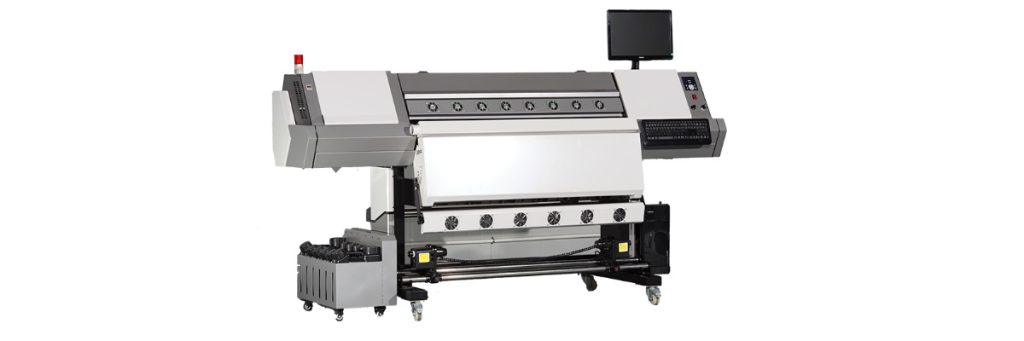
Operators must manage the physical constraints of different substrates while pushing for faster throughput. Controlling the microclimate within the printing zone prevents premature ink drying and nozzle blockages. Consistent monitoring of the mechanical components ensures the final output aligns perfectly with the initial digital proof. Modernizing the production floor requires integrating equipment capable of handling intricate patterns without sacrificing speed. Facilities scaling their operations need robust platforms to manage complex reactive and acid dye formulations safely. Implementing Aura Digital Textile Printing systems enables facilities to achieve exact pixel reproduction and maintain rapid turnaround times for custom bulk orders. Advanced firmware algorithms coordinate drop placement with absolute precision to eliminate banding artifacts completely.
Achieving consistent print quality relies heavily on precision engineering within the printing apparatus itself. Fabric feeding mechanisms must maintain uniform tension across the entire width of the material. Variations in tension cause the fabric to skew laterally. This results in distorted geometric patterns and significant fabric waste. Advanced optical sensors and automated tensioning rollers provide the necessary mechanical control to ensure flawless ink deposition on delicate substrates like silk or sheer polyester. Maintaining peak operational efficiency demands routine calibration and utilizing high grade industrial components. Facility managers must prioritize preventive maintenance schedules to avoid catastrophic breakdowns during peak seasonal production runs. Sourcing advanced digital textile machinery guarantees internal workflows remain uninterrupted and capable of handling complex synthetic blends or natural fibers seamlessly. Evaluating the lifespan of drive belts, linear encoders, and servo motors prevents unexpected misalignment issues during continuous multi-shift operations.
Resolving Production Bottlenecks
Addressing workflow friction starts with identifying the mechanical limitations of the existing printing infrastructure. Upgrading to direct to fabric continuous printing systems reduces ink consumption by up to 30 percent while doubling linear print speed. Manual screen changes and chemical wash down procedures consume hours of valuable floor time. Automating the color mixing and delivery systems directly lowers overhead costs and minimizes hazardous chemical exposure for operators.
Managing Ink Penetration Rates
The physical interaction between aqueous inks and woven fibers dictates the vibrancy and wash fastness of the final product. Understanding the capillary action of different yarn types allows technicians to adjust the pre-treatment chemistry accurately. Applying the correct urea and thickener concentrations prevents the active colorants from pooling on the substrate surface. Viscosity control mechanisms within the print carriage regulate the flow rate of pigment dispersions continuously. Temperature fluctuations within the production environment alter ink viscosity rapidly. This leads to inconsistent droplet volumes across the fabric surface. Regulating the internal temperature of the print heads ensures a stable jetting trajectory and sharp edge definition on complex floral or geometric graphics.
Validating Color Consistency
Maintaining tight color tolerances across multiple production batches requires strict adherence to international profiling standards. Relying on visual checks introduces human error and subjective bias into the quality control loop. Environmental humidity heavily influences the drying time and final hue of reactive dyes after the steaming process. Installing climate control enclosures around the printing hardware neutralizes external atmospheric variables efficiently. This technical approach guarantees a reorder placed six months later matches the exact pantone specifications of the original production run.
Spectrophotometry Calibration
Deploying inline spectrophotometers allows operators to capture color data in real time and automatically adjust the output curves. The system scans the printed substrate and compares the chromaticity values against the master file. Any deviation triggers an immediate mechanical compensation within the ink delivery sequence.
Measurable Quality Improvements:
- Waste Reduction: Automated calibration drops trial yardage waste by 40 percent.
- Uptime Increase: Continuous scanning eliminates the need to halt machines for manual swatching.
- Color Fidelity: Delta E values remain below 1.5 across 10,000 meter continuous runs.
Mitigating Mechanical Degradation
The hidden cost of manufacturing lies in the gradual degradation of moving parts over time. Friction and vibration wear down critical components over thousands of operating hours. Replacing worn linear bearings and lubricating carriage rails prevents micro stuttering during the printing passes. Spindle wear in the fabric unwinding module leads to improper fabric tracking and lateral shifting. Implementing a strict diagnostic protocol allows maintenance teams to detect abnormal motor temperatures or irregular voltage spikes before a complete component failure occurs. Proactive mechanical audits drastically reduce the percentage of fabric downgraded to seconds due to print defects.
Advancing Sustainable Pigment Chemistry
Regulatory pressures compel production facilities to adopt waterless printing processes swiftly. Traditional reactive dyeing consumes massive volumes of fresh water for the washing and clearing phases. Shifting to advanced pigment formulations eliminates the need for post print washing entirely. Innovations in chemical binder technology improve the rub fastness of printed textiles without compromising the soft hand feel of the fabric. Utilizing low energy infrared curing ovens accelerates the polymerization of the binder matrix. This direct approach reduces total energy consumption per linear meter by up to 40 percent while meeting strict environmental compliance standards.
Protecting Printheads for Long-Term Performance
The longevity of piezoelectric print heads dictates the overall profitability of the digital printing operation. Aggressive chemical solvents and heavy particulate matter within the ink degrade the internal channels over time. Utilizing thoroughly degassed inks prevents cavitation bubbles from forming within the firing chambers. Routine purging and automated wiping sequences keep the nozzle plates clear of cured debris and prolong the operational life of these expensive components.
Piezoelectric Voltage Control
Technicians must customize the waveform voltage specific to the ink chemistry to ensure optimal drop formation. Improper waveform settings cause satellite drops and ink misting. This mist contaminates the internal electronics of the carriage and shorts circuit boards. Dialing in the correct frequency optimizes the jetting velocity and eliminates overspray on high resolution design files.
Securing High Volume Output
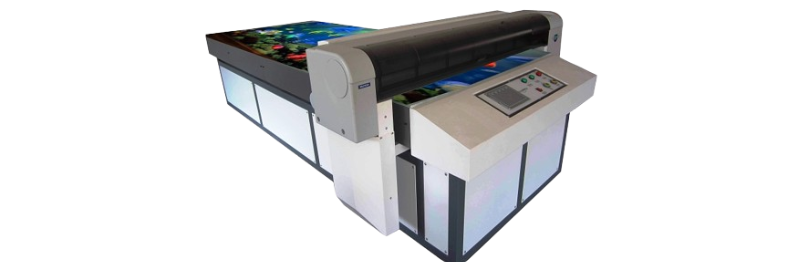
Scaling a production environment requires installing heavy duty industrial hardware engineered for relentless output. The integration of high speed sublimation units, robust direct to fabric printers, and reliable rotary heat presses elevates facility metrics. Relying on proven engineering ensures precise color registration and deep ink penetration on both stretch knits and rigid wovens. Equipping a facility with automated fabric tensioning systems and advanced drying modules eliminates the common bottlenecks that delay order fulfillment. High capacity bulk ink systems reduce the cost per square meter and eliminate the downtime associated with frequent cartridge replacements. Focusing on industrial grade components translates directly to superior print durability and unmatched operational reliability for high volume manufacturing demands.
Closing Thoughts
Securing a dominant position in the custom fabric sector requires a strict commitment to operational excellence and mechanical precision. Facilities must abandon outdated methodologies and embrace technical upgrades that directly impact speed, quality, and resource management. Calibrating internal workflows to handle dense graphics and complex material blends ensures a steady flow of high value production contracts. The margin for error shrinks daily as global supply chains demand perfection.
The integration of advanced sensing technology and automated correction algorithms drastically reduces material waste. Operators equipped with real time diagnostic data can pivot quickly and address minor calibration drift before it ruins a lengthy production roll. Maintaining a relentless focus on equipment reliability prevents the catastrophic financial losses associated with unexpected mechanical failures. Preventive action always supersedes reactive troubleshooting in high stakes manufacturing environments.
Understanding the complex chemical and physical interactions involved enables technicians to push the boundaries of modern textile manufacturing capabilities. Investing in rigorous preventative maintenance and high quality machine components solidifies a resilient production infrastructure. This strategic technical approach guarantees facilities can meet the highest consumer expectations while driving sustainable revenue growth globally.