
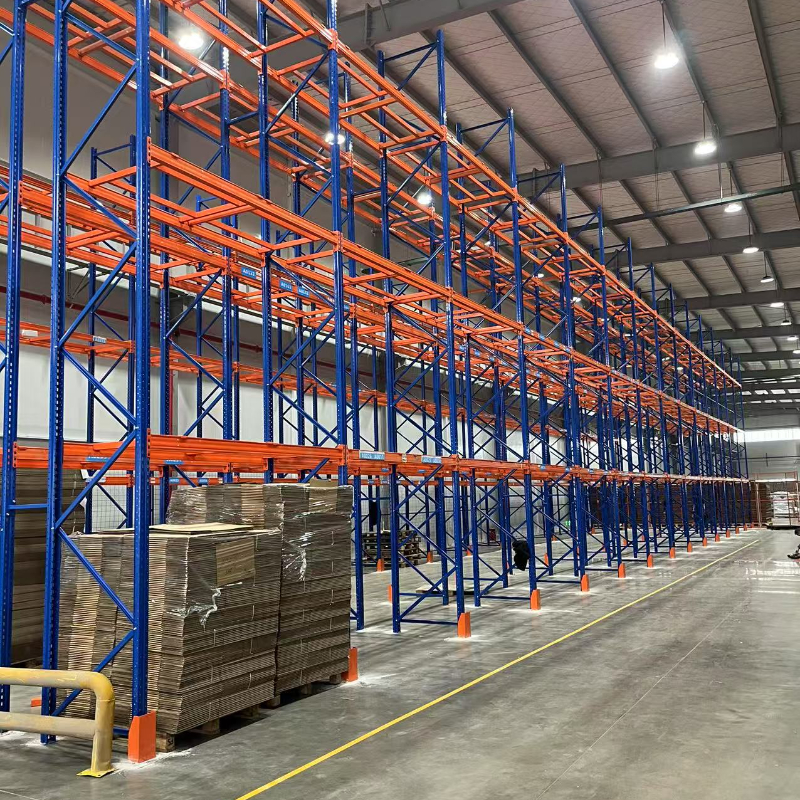
Expanding an industrial footprint is rarely the most financially viable response to growing inventory demands. Land acquisition costs and new construction delays dictate that facility managers must look upward rather than outward. True logistical efficiency relies on maximizing the cubic volume of an existing facility. When floor space becomes exhausted, operations face immediate and severe bottlenecks. These operational bottlenecks manifest as quantifiable financial losses. Cluttered aisles force material handling equipment into complex navigation routes. This increases travel time, lowers picking rates, and drastically elevates the risk of mechanical degradation from repeated start-stop maneuvers. Furthermore, inefficient floor stacking leads to buried inventory, increasing the likelihood of stock obsolescence and physical damage during difficult retrieval operations.
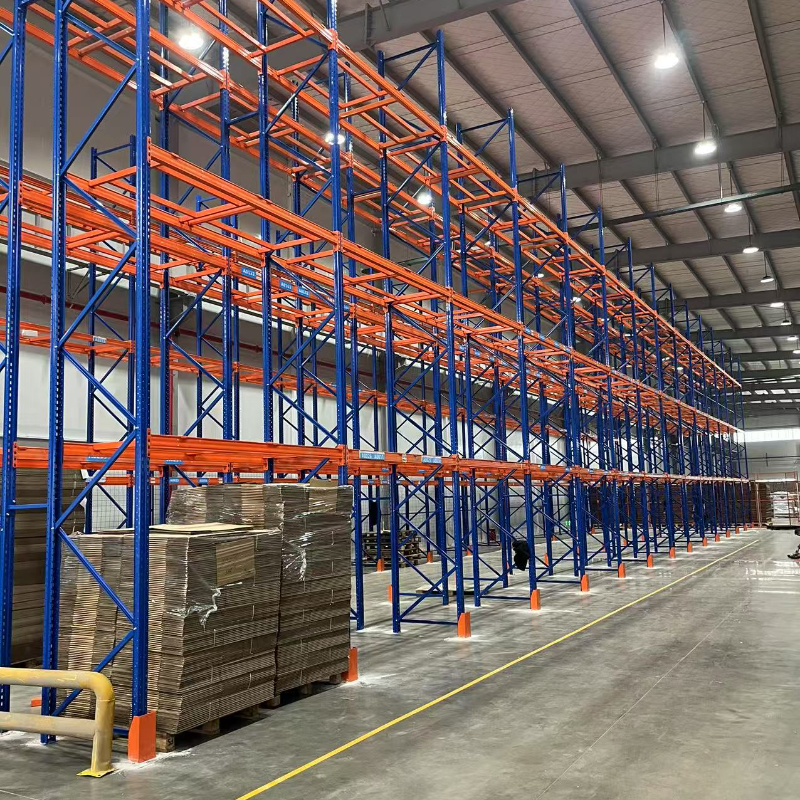
A strategic overhaul of vertical space solves these critical pain points directly. By implementing a high-capacity Pallet Racking System, facility managers transform wasted overhead clearance into structured and highly accessible inventory zones. This structural addition eliminates the need to move multiple unit loads to access a single item, cutting retrieval times significantly and smoothing out the entire supply chain flow. Engineered frameworks rely on precise structural calculations to maintain safety and efficiency. The selection between roll-formed and structural steel dictates the overall load-bearing capacity of the facility. Cold-rolled steel offers excellent flexibility and ease of installation for standard weights. Conversely, hot-rolled structural steel is necessary for environments handling immense stress from high-density, heavy-duty goods and frequent forklift interactions.
Integrating these frameworks requires a meticulous assessment of facility dimensions and material handling equipment capabilities. Proper structural integration ensures compliance with strict industrial safety regulations while optimizing material workflows. Upgrading to robust warehouse storage structures mitigates the risks of catastrophic collapses, protects personnel, and extends the operational lifespan of the entire inventory management ecosystem.
Overcoming Vertical Limitations
Maximizing clear height involves more than simply building taller frames. Facility engineers must calculate the exact distance from the floor to the lowest overhead obstruction, accounting for lighting fixtures, HVAC ductwork, and fire suppression systems. Accurate clear height calculations prevent expensive modifications during the installation phase and ensure that material handling equipment has adequate clearance for safe lifting operations. Fire safety compliance dictates specific structural layouts when expanding vertically. Longitudinal and transverse flue spaces must remain unobstructed to allow overhead sprinklers to penetrate down through the storage bays effectively.
Failing to maintain these vital gaps often results in failed safety inspections and significantly increased insurance premiums. Proper spatial planning integrates these safety requirements seamlessly into the initial design phase. Load beam positioning also determines the true vertical efficiency of the layout. Facilities handling uniform unit loads can standardize beam levels to maximize density. Operations dealing with variable load heights require adjustable beam configurations to prevent dead space between the top of a load and the bottom of the next beam. Eliminating this dead space dramatically increases the overall pallet position count within the exact same building footprint.
Structural Integrity Factors
The foundation of any heavy-duty storage framework rests upon its upright frames and horizontal beams. Upright columns absorb the sheer vertical weight of the inventory, transferring that massive load safely into the concrete slab. The gauge of the steel and the specific profile design of the column dictate its ultimate buckling strength. Horizontal load beams must resist deflection under continuous stress, with strict engineering tolerances limiting how much a beam can safely bow when fully loaded. Seismic zoning plays a critical role in the engineering of these structures.
Facilities located in geologically active regions require heavily modified frameworks to withstand lateral forces. This involves specialized cross-bracing, upgraded base plates, and specific anchoring techniques designed to flex without failing during a seismic event. Overlooking seismic engineering standards invites structural failure and severe legal liabilities. Base plate anchoring connects the steel framework directly to the facility foundation. Engineers must analyze the thickness and compressive strength of the concrete slab before selecting wedge anchors or strike anchors. A high-capacity frame is entirely useless if the concrete beneath it cracks or if the anchors pull out under maximum load conditions. Routine torque testing of these anchors remains a mandatory maintenance protocol for industrial environments.
Mitigating Operational Downtime
The hidden cost of reactive maintenance far outweighs the investment in proactive structural protection. Forklift impacts represent the single greatest threat to structural integrity in an active logistics hub. Even minor collisions at low speeds can compromise the load-bearing capacity of an upright column. When a damaged frame goes unnoticed, the structural fatigue compounds over time, eventually leading to partial or total system failure. Installing specific safety accessories mitigates these collision risks at the source. Steel column protectors and end-of-aisle guards absorb the kinetic energy of accidental forklift strikes, shielding the vital load-bearing columns from direct damage. Replacing a bolted-on guard costs a fraction of what it takes to unload a bay, dismantle a damaged frame, and install a replacement upright.
Establishing routine inspection protocols prevents catastrophic downtime. Trained personnel must document paint scrapes, beam deflection limits, and missing safety pins on a strict schedule. Catching a deflected beam early allows the maintenance team to offload the weight and replace the component safely during off-peak hours. This proactive approach ensures uninterrupted logistics and drastically lowers long-term mechanical replacement costs.
Financial Metrics of Aisle Layouts
The spatial arrangement of the framework directly impacts both operational velocity and bottom-line profitability. Facility managers must balance storage density against accessibility based on their specific inventory turnover rates.
Optimized aisle configurations yield highly specific quantifiable benefits for growing operations:
- Standard selective layouts require larger aisles for counterbalance forklifts but provide immediate access to every single SKU, dropping retrieval times by up to 30 percent.
- Very Narrow Aisle configurations shrink travel paths drastically, increasing total pallet positions by up to 45 percent within the exact same square footage.
- Drive-in structures maximize pure volume by eliminating internal aisles entirely, boosting storage density by 60 percent for operations managing uniform bulk goods.
- Implementing high-density profiles reduces the energy costs associated with climate-controlled facilities by shrinking the total cubic volume required to cool or freeze the inventory.
- Optimized picking routes reduce equipment travel distance, yielding a measurable drop in battery consumption and preventative maintenance costs on the forklift fleet.
Managing Fluctuating Inventory
Supply chains rarely remain static, and a rigid storage layout often becomes obsolete as market demands shift. Operations require frameworks that accommodate specific inventory management methodologies seamlessly. First In, First Out logistics principles require specific configurations to ensure older goods are picked before newer arrivals. Gravity-fed flow systems support this requirement by automatically advancing pallets to the picking face, eliminating manual rotation tasks and reducing labor costs. Operations utilizing Last In, First Out methodologies benefit from completely different structural profiles.
Push-back configurations allow operators to load and retrieve multiple pallets from a single aisle face. This method condenses the storage footprint while maintaining high turnover speeds for bulk materials that lack strict expiration dates. Aligning the structural engineering with the specific inventory accounting method prevents continuous material handling bottlenecks. Seasonal demand spikes test the limits of rigid facility layouts. Agile operations utilize tear-drop column designs that allow maintenance teams to reconfigure beam heights rapidly without specialized tools. This adaptability ensures the facility can transition from storing small consumer goods to oversized holiday inventory over a single weekend shift.
Heavy Duty Capacity Solutions
When industrial operations scale to handle massive tonnage, standard off-the-shelf components become serious liabilities. Premium industrial storage solutions require highly engineered structural steel designed specifically for extreme abuse. Utilizing hot-rolled steel channels guarantees that the frameworks resist the torsional forces and heavy impacts inherent in continuous manufacturing and distribution environments. Surface protection is just as vital as the steel itself. Environments subjected to high humidity, chemical exposure, or extreme temperature fluctuations rapidly degrade standard paint.
Implementing industrial-grade powder coating or hot-dipped galvanized finishes prevents oxidation and chemical corrosion. This robust protective layer ensures the structural steel maintains its specified load ratings decades after the initial installation. Rigorous engineering protocols guarantee absolute reliability. Custom configurations undergo strict software modeling and physical stress testing before fabrication begins. By analyzing the exact dimensions, weight distribution, and turnover frequency of the anticipated inventory, the resulting structures provide maximum density without ever compromising absolute safety margins.
FAQ’s
What determines the maximum weight a load beam can hold?
Load capacity depends entirely on the beam’s length, the gauge of the steel, and its specific cross-sectional profile. Weight must be uniformly distributed across the entire length of the beam to maintain safety ratings and prevent severe point-loading deflection.
How wide should aisles be for standard counterbalance forklifts?
Standard counterbalance forklifts typically require aisles between 12 to 14 feet wide to navigate and turn safely with a standard load. Attempting to operate these machines in tighter spaces drastically increases the risk of structural collisions.
What is the difference between roll-formed and structural steel components?
Roll-formed steel is manufactured by bending cold flat steel into shape, making it cost-effective and highly adjustable. Structural steel is hot-rolled into thick C-channels, providing significantly higher impact resistance and load capacities for heavy-duty industrial environments.
How often should routine structural inspections occur?
Professional safety audits should occur annually. However, internal facility maintenance teams should conduct weekly or monthly visual walk-throughs to document damaged columns, missing safety pins, or overloaded beams.
Can upright frames be repaired if struck by a forklift?
Specific engineered repair kits can sometimes fix lower column damage without requiring full dismantling. However, heavily compromised frames must be completely replaced to restore the original structural engineering load ratings.
What are the required flue spaces for fire safety compliance?
Fire codes generally require a minimum 6-inch transverse flue space between loads and an ongoing longitudinal flue space down the center of back-to-back rows to allow sprinkler water to reach the floor.
How does a push-back configuration increase storage density?
A push-back setup uses nested carts on inclined rails. When a new load is deposited, it pushes the existing loads backward into the bay. This allows up to six pallets deep of storage from a single aisle face, eliminating the need for multiple internal driving lanes.
What factors mandate the use of seismic base isolation?
Geographic location dictates seismic requirements. Facilities built near active fault lines must utilize specialized anchoring, larger base plates, and structural cross-bracing to ensure the frames flex rather than snap during ground tremors.
Why is floor slab thickness critical before installation?
The entire weight of the framework and the inventory transfers into the floor through small base plates. If the concrete slab is too thin or possesses a low compressive strength, the base plates will crack the concrete and sink, causing catastrophic frame collapse.
What is the primary advantage of a Very Narrow Aisle layout?
Very Narrow Aisle layouts shrink the driving space down to roughly 5 to 7 feet, utilizing specialized wire-guided or rail-guided turret trucks. This drastically increases the total pallet position count within a fixed building footprint without sacrificing direct access to every SKU.
Conclusion
Transitioning a growing facility from horizontal spread to vertical optimization fundamentally alters the trajectory of a business. By implementing engineered structures, logistics managers eliminate dead space, secure their inventory, and create logical workflows that drastically reduce equipment travel times.
The financial impact of these precise logistical upgrades echoes throughout the entire operation. Reduced labor hours per pick, lowered equipment maintenance costs, and the absolute minimization of product damage yield a highly aggressive return on investment. Protecting the structural integrity of these installations through strategic layout planning ensures these financial benefits compound year over year.