
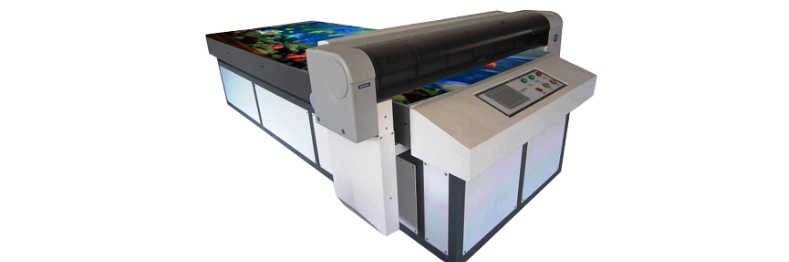
The evolution of industrial manufacturing requires versatile equipment that can decorate rigid, semi-flexible, and oddly shaped materials with high visual accuracy. Traditional screen printing and analog offset methods often demand extensive mechanical preparation, chemical washing, and physical stencil alignment before a single piece can be finished. Flatbed printing systems overcome these limitations by utilizing a stationary vacuum bed combined with a precision-engineered gantry that moves the ink deposition mechanism smoothly across the substrate. This direct structural approach guarantees that heavy or delicate materials remain entirely still during ink jetting, eliminating register drift and physical distortion.
At the mechanical core of flatbed design is the combination of linear motor drives, high-resolution optical encoders, and piezo drop-on-demand printheads. The printing carriage glides above the stationary bed at microscopic tolerances, discharging variable micro-droplets of ink that land with precise positional accuracy. Vacuum zones across the table hold materials flat, preventing light synthetic sheets or genuine leather panels from warping under the heat of curing lamps. Because the print bed remains rigid, operators can process dense items like thick architectural glass, wooden boards, ceramic tiles, or pre-cut synthetic leather components without altering the mechanical alignment of the gantry.
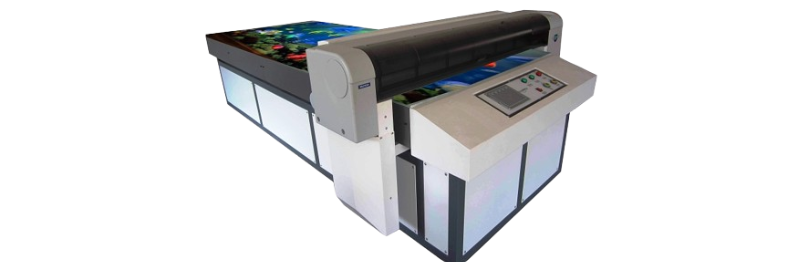
Modern manufacturing facilities increasingly deploy Flatbed Digital Printers to replace tedious traditional screen printing workflows that generate excessive chemical waste and require long setup times. By sending high-resolution raster files directly from pre-press design software to the printing engine, these advanced systems print full-color graphics in a single pass without needing physical film plates or screens. This immediate transition from design file to final product enables short-run manufacturing, personalized product batches, and rapid prototyping while maintaining identical color fidelity across multiple production shifts.
Surface Adaptability Across Leather, Synthetic Substrates, and Spherical Geometries
Printing on soft, flexible, or contoured materials presents distinct physical challenges that conventional roll-fed machines cannot address. Genuine leather, artificial leather, polyurethane (PU) materials, and textured outerwear require ink formulations that remain elastic after curing. Standard rigid inks crack when leather goods are folded, stitched, or flexed during daily use. Industrial flatbed systems utilize flexible UV or specialized solvent ink sets that bond deep within the material grain while maintaining natural tactile softness and high scratch resistance, making them ideal for leather bags, footwear uppers, and custom garments.
Beyond flat items, specialized industrial application software now extends flatbed capabilities to three-dimensional objects and curved product components. A prime example is the sporting goods sector, where panels for footballs, volleyballs, and athletic equipment require uniform graphic alignment across spherical projections. Standard flat-plane software distorts geometric artwork when stitched onto rounded shapes. Advanced raster software pre-compensates for material stretching and curvature before printing, ensuring that intricate logos and patterns align seamlessly when individual printed panels are assembled into completed sports balls.
Rigid Medium Processing for Glass, Ceramics, and Architectural Elements
Non-porous, smooth substrates like tempered glass, acrylic sheets, and glazed ceramic tiles demand exceptional ink adhesion strategies. Industrial flatbed platforms solve surface tension barriers through automated inline primer deposition or specialized UV-curable ink chemistries. When printing directly on glass sheets, the system deposits precise layers of opaque white ink beneath color layers, producing vibrant, high-contrast images that do not lose color depth when backlit. This multi-layer technique allows manufacturers to produce decorative interior partitions, architectural windows, custom glass tabletop surfaces, and artistic ceramic wall tiles with flawless visual clarity.
Durability remains a primary requirement for rigid architectural decorations subjected to cleaning chemicals, moisture, and ambient sunlight. Flatbed UV systems pass high-intensity LED or mercury vapor curing lamps over the freshly jetted ink instantly. This immediate photochemical curing converts liquid monomers into a tough, cross-linked polymer film that bonds securely to smooth surfaces. As a result, finished ceramic tiles and glass panels resist fading, abrasion, and environmental weathering, opening new revenue avenues for interior designers and commercial construction suppliers.
Operational Cost Dynamics and Eco-Conscious Production Standards
Traditional industrial printing operations often require high minimum order quantities to offset the cost of film production, screen stretching, and color separation setups. Flatbed digital technology restructures these economics by turning setup costs into a negligible factor. A manufacturer can print a single custom sample or run a batch of five hundred customized items with virtually the same per-unit setup expenditure. This operational agility allows businesses to minimize warehouse inventory costs, eliminate unsold overstock, and respond rapidly to shifting market trends or custom client requests.
Environmental compliance and sustainable manufacturing have become critical indicators of modern industrial performance. Traditional liquid dyeing and screen processes consume vast volumes of water and require hazardous cleaning solvents that generate toxic wastewater streams. Flatbed digital technology operates as a clean, dry process without pre-press chemical etching or screen cleaning cycles. By consuming ink only where graphic design elements require it, material waste drops significantly, while energy-efficient LED curing systems reduce power consumption across daily factory operating cycles.
Motion Control Engineering and Color Calibration Management
Achieving photographic image reproduction on textured or dark materials demands sophisticated motion control and printhead engineering. Multi-channel printhead configurations allow simultaneous jetting of cyan, magenta, yellow, black, light colors, and opaque white inks in a single gantry pass. Recirculation technology inside the white ink lines keeps heavy titanium dioxide pigments from settling, preventing nozzle clogging and maintaining consistent jetting performance. High-resolution optical linear encoders guide the gantry movement down to sub-micron accuracy, ensuring that consecutive ink drops land in exact alignment even at high print speeds.
Color consistency across diverse material batches requires robust RIP software calibration and color profiling. Because natural leather, synthetic fabrics, glass, and wood absorb or reflect light differently, specialized color profiles must be created for each substrate type. Integrated color management engines analyze substrate reflectance and adjust ink density dynamically, maintaining brand color accuracy across varied product lines. This precise color control guarantees that a corporate logo printed on a glass office sign matches the exact shade printed on leather executive gifts or promotional signage.
System Maintenance Routines and Equipment Longevity
Maintaining industrial flatbed machinery at peak operational efficiency requires systematic maintenance protocols tailored to heavy production environments. Automated printhead cleaning stations wipe nozzle plates gently, removing micro-dust and microscopic ink splatters that accumulate during long printing shifts. Capping stations protect idle printheads from air exposure, preventing ink drying inside the delicate micro-nozzles. Regular inspection of vacuum pumps, linear guide rails, and UV lamp cooling fans preserves mechanical stability and prevents costly mid-production interruptions.
Access to reliable technical support and readily available spare parts serves as the backbone of continuous factory operations. Industrial printing equipment subjected to multi-shift workloads depends on timely component replacements and specialized technician care. Establishing structured preventive maintenance routines alongside well-trained local machinery operators minimizes unexpected system downtime, extends overall printhead lifespans, and maximizes lifetime return on machinery investments.
Strategic Partnering for Advanced Industrial Printing Machinery
Selecting the appropriate machinery partner determines the long-term profitability and versatility of any industrial printing operation. Specialized automation providers equip manufacturing facilities with state of the art flatbed equipment designed to process diverse substrates ranging from football panels, genuine leather garments, and footwear to glass partitions, ceramic tiles, and promotional signage. Platforms supplied with dedicated spherical projection software empower sports goods manufacturers to preserve precise design geometries across complex spherical products, while complete after-sales service and engineering guidance safeguard production continuity. Comprehensive industrial automation expertise and multi-surface printing machinery solutions are accessible directly through Texserco.
Investing in proven machinery platforms backed by decades of industry experience ensures that factories receive comprehensive support from initial site assessment and installation to ongoing operator training. Access to affordable printheads and genuine spare parts protects operational margins against excessive maintenance overhead. By partnering with dedicated machinery specialists who understand local manufacturing needs, industrial facilities can comfortably expand their product offerings, adopt eco-friendly production practices, and maintain a competitive edge across regional and global markets.
Conclusion
The adoption of flatbed printing technology marks a significant structural shift in how physical products are decorated, customized, and manufactured. By removing rigid mechanical prepress requirements and enabling direct printing on wood, glass, leather, and synthetic materials, facilities gain unprecedented production flexibility. This technological evolution allows manufacturers to bridge the gap between high-volume standard production and small-batch custom manufacturing without compromising profitability.
As consumer demand for customized goods continues to grow alongside stricter environmental standards, digital printing methods offer a clear roadmap toward sustainable industrial growth. The elimination of toxic chemical washes, reduced water consumption, and precise drop-on-demand ink delivery make flatbed platforms an essential component of clean manufacturing frameworks. Facilities that integrate these multi-surface solutions position themselves at the forefront of modern supply chain efficiency.