
Industrial fabric coloration via droplet projection relies on intricate fluid dynamics and mechanical synchronization. The printhead contains thousands of microscopic nozzles that fire droplets measured in picoliters. Piezoelectric crystals inside the fluid channels contract and expand when electrical voltages pass through them, forcing the fluid outward with high precision. This displacement must happen thousands of times per second to achieve clean patterns without blurriness. The acceleration of each individual droplet determines its trajectory and how deeply it penetrates the woven matrix.
Controlling line crispness requires stabilizing the gap between the nozzle plate and the moving material. If this distance varies by even a fraction of a millimeter, air turbulence created by the moving carriage can deflect the droplets, leading to visible banding or soft edges. The absorption rate of the material dictates how much the dot expands once it lands on the substrate. Uncontrolled spread, known as feathering, ruins fine lines and intricate geometric details. Engineers counteract this by adjusting fluid viscosity and tuning the voltage waveforms of the printhead to match specific material profiles.
The interaction between the wet droplet and the dry fiber involves immediate capillary action. As the fluid strikes the substrate, it moves along the microscopic pathways between the threads. Managing this movement requires deep knowledge of both fluid mechanics and textile engineering. If the fabric lacks proper tension, wrinkling can cause head strikes, which destroy expensive hardware and ruin long production runs. Continuous monitoring of mechanical transport systems guarantees that the fabric remains completely flat during the entire deposition cycle.
Operational Differences Between Pigment and Reactive Ink Systems
Selecting the correct chemistry determines the final durability and color vibrancy of the finished goods. Different fibers require distinct chemical interactions to lock the color molecules into the molecular structure. Production facilities must evaluate whether surface adhesion or chemical bonding aligns best with their target application and fabric selection.
The Chemical Bond of Reactive Dyes
Reactive coloration relies on a true covalent bond formed between the dye molecules and the cellulose fibers under specific thermal and alkaline conditions. This process is ideal for high-end cotton, linen, and viscose materials where exceptional wash fastness is non-negotiable. Because the color becomes an integral part of the fiber itself, the fabric retains its natural softness and flexibility without any added surface stiffness. However, this method demands extensive post-processing, including steaming to fix the dye and thorough washing cycles to eliminate unreacted chemicals, which consumes significant amounts of water and thermal energy.
The Surface Adhesion of Pigment Inks
Pigment systems operate by suspending insoluble color particles within a liquid carrier along with specialized binding agents. When heated, these binders cure, gluing the pigments onto the outer surface of the fibers rather than penetrating the core. This approach works uniformly across almost all fabric types, including complex synthetic blends and natural fibers, without requiring intensive washing steps. The elimination of post-printing wash cycles reduces water utility costs dramatically. The trade-off lies in a slightly stiffer hand feel and lower friction resistance, though modern binder formulations continue to close this performance gap.
Eliminating Production Downtime Through Advanced Maintenance Protocols
Unplanned mechanical failure on a busy factory floor causes severe financial damage and disrupts supply chains. In droplet-based textile systems, the primary vulnerability sits within the nozzle plate where dried fluid or airborne lint can obstruct the tiny orifices. A single blocked nozzle can create a continuous streak across hundreds of meters of material, rendering the entire batch unsellable. Implementing automated wiping routines and capping stations prevents the fluid from drying during short operational pauses.
Daily maintenance schedules must include manual inspections and ultrasonic cleaning of critical components. Technicians should monitor the vacuum pressure within the degas modules regularly, as dissolved air bubbles inside the fluid lines can cause micro-explosions during piezo activation, resulting in immediate nozzle firing failure. Environmental conditions within the print room also require strict regulation, maintaining humidity levels between forty and sixty percent prevents premature evaporation around the nozzle openings.
Tracking component wear through digital data logs allows facilities to switch from reactive repairs to predictive maintenance. Peristaltic pumps, ink filters, and carriage belts have defined operational lifespans that require monitoring. Replacing an aging filter before it clogs completely safeguards the printheads from pressure drops that compromise drop volume consistency. This organized approach to upkeep ensures steady production output and protects the capital investment in hardware.
The Financial Impact of High Yield Printhead Technology
The financial viability of a digital textile business depends heavily on operational expenses related to consumable components. Printheads represent the single largest hardware cost over time, making their longevity and efficiency central to profitability. High-yield printheads utilize durable materials like silicon micro-electro-mechanical systems to withstand the abrasive nature of dense textile inks. These advanced components deliver consistent drop volumes over billions of cycles, reducing the frequency of costly replacements.
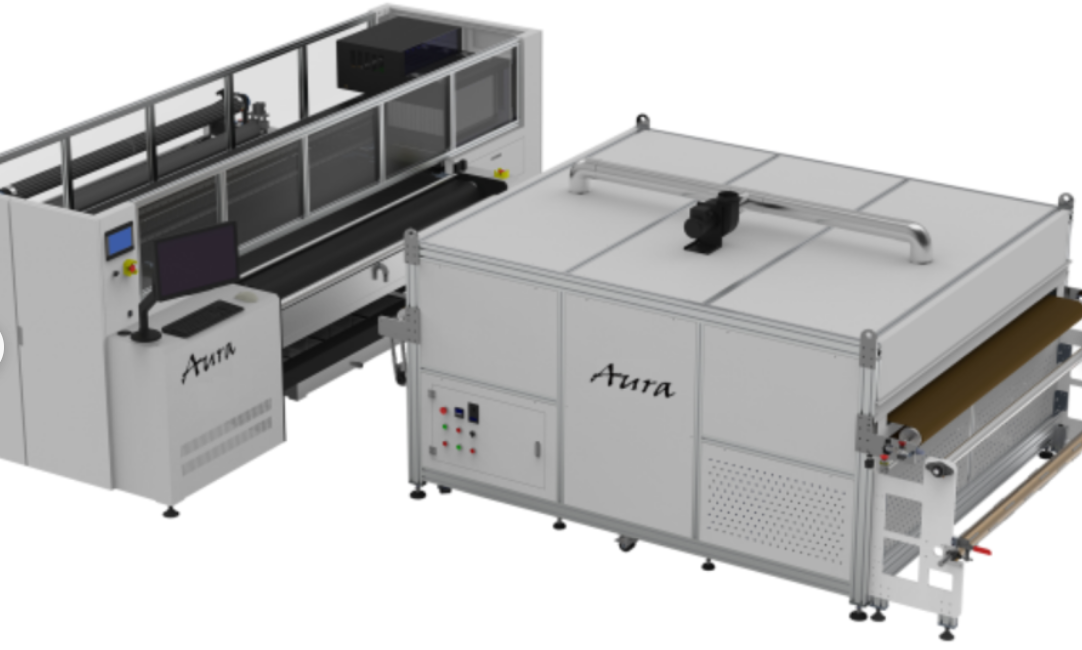
When evaluating system configurations, printhead affordability transforms the overall pricing strategy for finished goods. Utilizing affordable printheads reduces initial investment barriers and lowers the ongoing cost per square meter. This economic advantage enables digital printing operations to compete directly with traditional rotary screen printing on medium-sized production runs. By choosing systems built around high-yield Aura Digital Textile Printing configurations, production facilities unlock the capability to handle short-run custom orders and high-volume commercial contracts without incurring prohibitive overhead costs.
Precision ink placement reduces raw material waste by ensuring that colorants land precisely where designed, minimizing ink overspray and reducing overall consumption. The ability to achieve high resolution with fewer passes enhances throughput speed, allowing plants to fulfill urgent orders with minimal delay. This combination of physical durability and material efficiency creates a sustainable framework for long-term industrial growth.
Streamlining Pretreatment and Post-Processing Workflows
Achieving excellent print quality requires meticulous preparation of the fabric before it ever encounters the printhead carriage. Raw textiles contain natural oils, starch size, and dust that interfere with ink absorption and binding. Pretreatment involves padding the fabric with specialized chemical solutions that control drop spreading and fix the colorants upon contact. For instance, digital printing with reactive dyes requires a pretreatment paste containing alkali, urea, and thickeners to facilitate the chemical reaction during subsequent steaming treatments.
Post-processing stages vary depending on the chosen ink technology but remain vital for ensuring color fastness. For reactive and acid dyes, high-temperature steaming opens up the amorphous regions of the fiber, allowing dye molecules to diffuse inward and lock into place. This is followed by exhaustive washing sequences to remove thickeners and unbound color, ensuring that the fabric remains safe for direct consumer contact. Pigment systems bypass these wet steps entirely, relying instead on dry heat fixation units that bake the fabric for several minutes to cure the polymer binders.
Optimizing the integration between pretreating units, printing machinery, and finishing ovens increases total plant efficiency. Inline systems that combine pre-coating and printing into a single continuous process eliminate manual transport steps and reduce material handling damage. Synchronizing line speeds across these different stages prevents bottlenecks and maximizes daily floor output.
Sustainability Metrics in Industrial Fabric Customization
Modern textile manufacturing faces intense scrutiny regarding its environmental footprint, particularly concerning water usage and chemical discharge. Conventional analog dyeing and screen printing methods require massive volumes of water for screen preparation, color mixing, and post-production washing. Digital droplet projection offers a clean alternative by depositing colorants only where needed, reducing chemical waste by up to ninety percent.
Energy consumption also decreases when utilizing streamlined digital workflows that eliminate multiple wet finishing steps. By adopting pigment systems that cure with dry heat, factories remove the need for high-energy steam boilers and continuous washing ranges, cutting carbon emissions significantly. Additionally, the ability to print on demand reduces dead inventory, preventing thousands of meters of unsold fabric from entering landfills each season.
To quantify these benefits, facilities track metrics such as water consumption per linear meter and total kilowatt-hours expended per production shift. This data-driven approach allows plants to meet strict environmental regulations and satisfy brands seeking clean supply chains. Investing in efficient machinery serves both corporate environmental responsibility and bottom-line operational profitability.
Elevating Production Floors with Advanced Industrial Machinery Solutions
Achieving peak performance across all these operational pillars requires partnering with experienced equipment providers who understand the complexities of modern textile workflows. Textile Services Company, operating online through texserco.com, delivers over two decades of dedicated expertise in textile automation and machinery supply. Since its establishment in April 2004, the firm has successfully completed over five hundred installations across fifteen countries, providing industrial clients with robust machinery engineered for continuous operation and high efficiency. Their comprehensive portfolio spans automated towel hemming, laser cutting systems, industrial dryers, and advanced roll-to-roll printing setups designed to minimize production expenses while maintaining international quality benchmarks.
Rather than offering generic hardware, the organization provides complete end-to-end support, including site assessment, professional calibration, and extensive operator training. This thorough approach ensures that factory staff can operate advanced software interfaces and maintain system calibration from day one. Their foreign-trained engineers provide reliable local maintenance and rapid spare parts supply, minimizing unplanned downtime and safeguarding high-volume production schedules. For businesses aiming to lower resource consumption while upgrading their technical capabilities, collaborating with Texserco offers a structured path toward sustainable industrial growth.
Frequently Asked Questions
How do high-yield printheads lower total operational expenses?
High-yield printheads utilize durable silicon constructions that resist mechanical wear and chemical corrosion over billions of firing cycles. This physical durability extends the component lifespan, reducing the frequency of hardware replacements and minimizing the overhead cost per printed square meter.
What are the primary differences in water consumption between pigment and reactive printing?
Reactive printing requires extensive post-printing steam fixation and multiple wet washing cycles to remove unreacted chemical residues, consuming substantial volumes of water. Pigment printing relies entirely on dry heat curing, eliminating post-wash requirements and reducing water usage by up to ninety-five percent.
Why is precise fabric tension critical during the printing process?
Consistent material tension prevents wrinkling and shifting as the fabric moves under the printhead carriage. Any surface irregularity can cause head strikes, where the delicate nozzle plate physically contacts the fabric, leading to catastrophic hardware damage and ruined material.
Closing Thoughts
Successfully modernizing a textile production facility requires a balanced understanding of fluid dynamics, substrate chemistry, and mechanical engineering. Every component from the chemical pre-treatment paste to the piezoelectric printhead configuration plays a critical role in determining final print sharpness and color fastness. By implementing rigorous daily maintenance routines and selecting hard-wearing hardware components, manufacturers can eliminate expensive bottlenecks and establish a highly reliable production environment.
Transitioning to high-efficiency production frameworks allows industrial facilities to meet the dual challenges of rising manufacturing costs and stricter environmental mandates. The reduction of water usage and chemical waste not only aligns with global sustainability requirements but also directly enhances profitability by cutting utility expenditures. Companies that invest in advanced digital systems gain the flexibility to handle both small custom orders and large commercial contracts with equal efficiency.
Embracing advanced digital textile printing machinery represents a strategic step forward for industrial textile operations aiming to secure a competitive edge. Leveraging professional consulting, comprehensive staff training, and dependable technical support enables factories to maximize their return on investment. With the right combination of engineering excellence and dependable machinery, production floors can unlock new levels of speed, precision, and operational durability.