
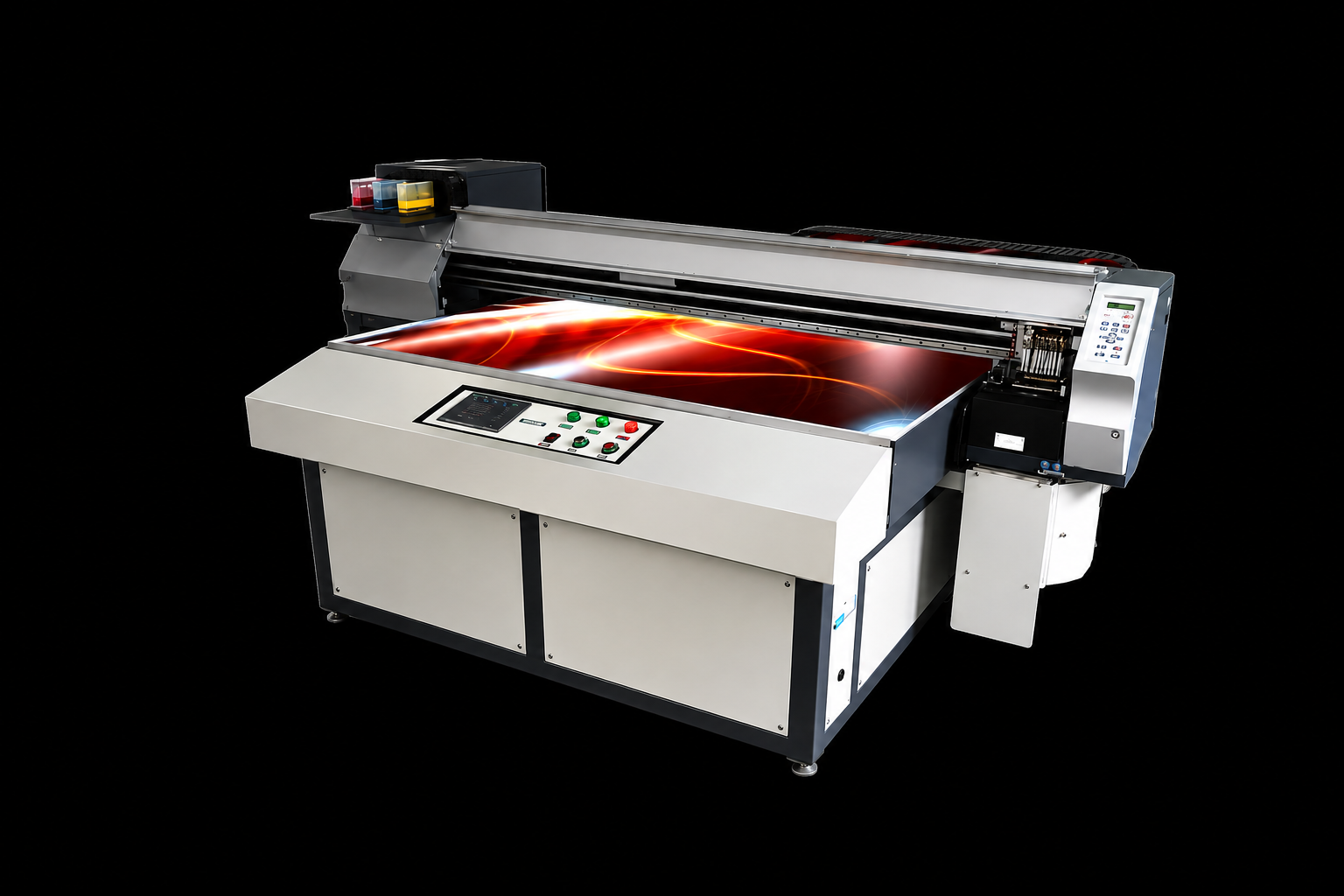
The manufacturing sector relies heavily on the ability to transfer complex designs onto rigid surfaces with absolute accuracy. This requirement has driven a profound evolution in print technology, moving away from the cumbersome and expensive methods of the past. Historical techniques such as screen printing required extensive setup times, physical screens for every color, and long drying periods, which made small-batch production and rapid prototyping economically unfeasible.
The shift toward digital solutions has fundamentally altered this landscape, providing manufacturers with a method to produce high-quality, durable graphics on a wide range of materials. This transition is not merely a change in equipment but a shift in the philosophy of production, favoring agility and customization over static, long-run manufacturing.
The Mechanics of Modern Surface Printing
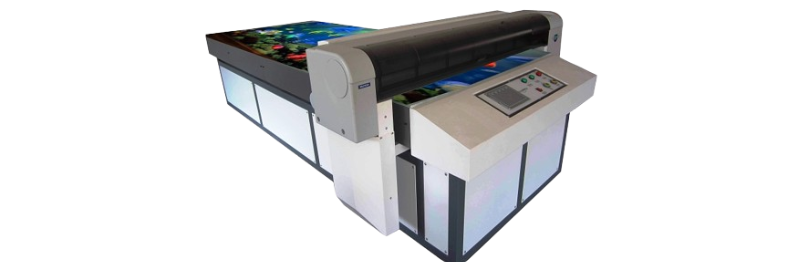
Digital printing technology centers on the precise deposition of ink directly onto a substrate. Unlike traditional inkjet printing that relies on paper or flexible films, industrial machinery uses a rigid, horizontal vacuum bed to hold materials firmly in place. This design allows the print carriage to move across the X and Y axes with incredible accuracy, ensuring that ink droplets land exactly where required. The stability provided by the vacuum bed is critical for maintaining registration, especially when printing on heavy, textured, or irregular surfaces such as glass, metal, wood, or acrylic boards.
By eliminating the need for physical plates, manufacturers gain the ability to change designs instantaneously between jobs. This capability enables companies to offer personalized products or perform short-run manufacturing without the financial penalties associated with analog systems. The architecture of these machines is designed for consistent performance under continuous use, featuring robust gantry systems and advanced motion control that minimize the vibration and mechanical error that might otherwise compromise output quality.
Material Versatility and Industrial Application
The true power of modern industrial equipment lies in its capacity to handle diverse material types. Flatbed Digital Printers offer unprecedented flexibility, allowing production teams to move seamlessly from printing on lightweight foam boards to rigid aluminum composite panels or thick tempered glass. This versatility is essential for businesses operating in sectors like architectural signage, interior design, furniture manufacturing, and even specialized packaging.
The ability to print on finished parts or pre-cut pieces is a significant advantage. Instead of printing on a substrate and then mounting that print to a board, manufacturers can print directly onto the final product. This streamlined process reduces the risk of alignment errors and physical damage that often occur during the mounting and lamination phases. Furthermore, this approach opens doors for textured printing, where multiple layers of ink are applied to create a tactile surface that mimics the look and feel of natural wood grains, leather, or embossed metallic finishes.
The Technical Shift: UV Curing and Ink Longevity
A crucial component in the widespread adoption of industrial digital printing is the implementation of UV curing technology. Traditional solvent-based inks required heat or ambient drying to evaporate liquid carriers, a process that was slow and often released volatile organic compounds into the working environment. UV-curable inks solve these issues by remaining liquid until they are exposed to ultraviolet light from lamps mounted on the print carriage.
When the light hits the ink, it undergoes a chemical reaction known as polymerization, turning into a solid, durable film almost instantaneously. This provides a finish that is scratch-resistant, water-resistant, and highly fade-resistant, making it ideal for outdoor applications and high-traffic indoor environments. The speed of this curing process allows for immediate handling and finishing, further reducing the time from production to deployment. LED-UV technology has pushed this innovation even further, providing a cool-curing environment that prevents damage to heat-sensitive materials like thin plastics or delicate wood veneers.
Optimizing Production Workflows
Inventory management has historically been a major cost center for manufacturing and retail companies. Maintaining large stockpiles of pre-printed signage or inventory is inefficient, particularly when market trends dictate frequent design changes. Industrial printing systems allow for true on-demand production. Organizations can print the exact quantity required for a specific campaign or client order, eliminating waste and the need for significant warehousing space.
This shift to on-demand workflows also supports rapid iteration. Designers can proof new concepts in minutes rather than days, testing various color profiles and surface finishes before committing to a final run. This speed enables businesses to capture time-sensitive market opportunities and respond to customer requests with a level of agility that was previously unattainable. When machines are integrated into the wider factory network, they contribute to a lean manufacturing environment where every component is produced efficiently and on time.
Sustainability and Efficiency in Printing
Resource management is a focal point for every modern manufacturing facility. Digital printing systems excel in this area by ensuring that only the necessary amount of ink is deposited on the substrate. With precise software control, ink wastage is kept to a minimum, and because there is no need for screens, solvents, or hazardous cleaning chemicals, the environmental footprint of the production process is significantly reduced.
Energy consumption is another critical metric. Advanced print engines are engineered to operate with lower power requirements, extending the operational life of the equipment while lowering utility costs. By optimizing the path of the print carriage and automating maintenance tasks such as nozzle cleaning, manufacturers can achieve higher throughput while keeping machine wear to a minimum. This holistic approach ensures that modern printing operations are not only productive but also environmentally responsible and cost-effective over the long term.
Elevating Your Production Capacity with Texserco
At Texserco, we focus on delivering specialized printing solutions that empower your business to achieve superior quality and reliability. We recognize that industrial printing is a vital component of your overall production strategy, and our approach centers on providing hardware and support that maximize uptime and versatility. By integrating our systems into your existing workflow, you can reduce bottlenecks, improve output consistency, and handle a wide variety of design challenges with ease.
Our expertise lies in helping you navigate the complexities of digital printing, ensuring that you select the right equipment for your specific manufacturing goals. Whether you are looking to scale your current operations or bring custom production capabilities in-house, we provide the technical knowledge and responsive service necessary to keep your production line performing at its peak.
Conclusion
The adoption of digital, direct-to-substrate printing is transforming the capabilities of modern manufacturing. By utilizing these flexible and high-precision systems, companies can produce durable, vibrant results on an array of materials while maintaining efficiency that was once reserved for specialized shops. This technology empowers creators to experiment with new design possibilities and materials, ensuring they remain competitive in a fast-paced market.
As the industry continues to evolve, maintaining deep expertise and utilizing robust equipment will be the key to long-term success. Focusing on sustainability, minimizing waste, and streamlining production workflows are no longer optional but standard requirements for growth. By continuously refining these processes, businesses position themselves to meet the high demands of contemporary consumers and industrial clients alike.
For those looking to expand their operations, a solid understanding of Flatbed Digital Printers is essential for unlocking new potential. Adopting these systems allows you to stay at the forefront of production innovation, meeting diverse needs with speed and precision.