
The history of textile design has constantly evolved from rudimentary hand-stamping methods to complex automated systems. Artisans and manufacturers alike have continuously sought ways to replicate intricate patterns onto various fabric substrates with absolute precision. This pursuit of excellence drives the continuous refinement of mechanical engineering and chemical formulations within the manufacturing sector. Traditional constraints such as limited color palettes and excessive water consumption have prompted engineers to reimagine how patterns are transferred onto materials.
As industrial demands shift toward rapid customization and reduced environmental footprints, conventional screen-based techniques often struggle to meet modern efficiency standards. Producers require systems capable of handling short runs as well as high-volume output without sacrificing intricate details or color brilliance. The integration of advanced inkjet engineering allows manufacturers to bypass traditional plate-making setups, thereby reducing setup times and material waste significantly.
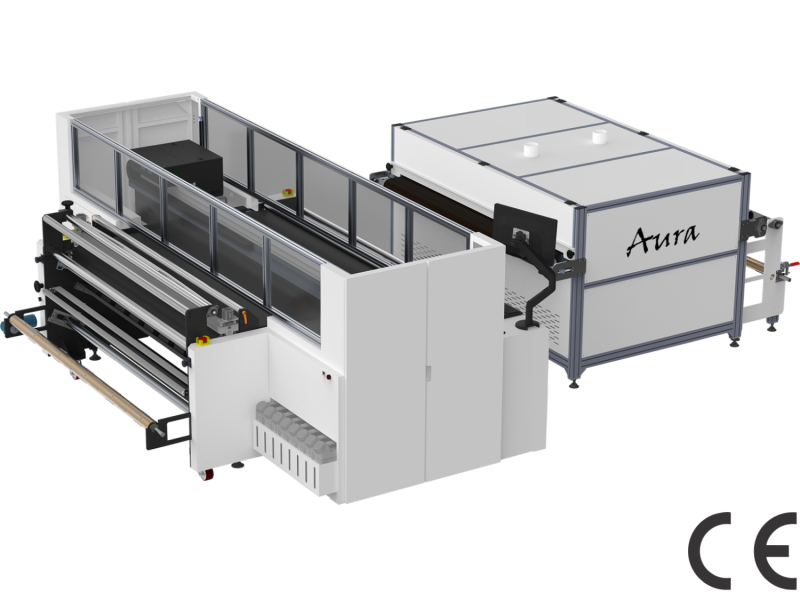
Within this high-performance landscape, Aura Digital Textile Printing represents a major shift in how modern production lines handle complex visual layouts and diverse fabric types. By utilizing precise drop-on-demand ink delivery mechanisms, this approach ensures that every microscopic droplet lands precisely where intended, yielding sharp lines and vibrant tones across both natural and synthetic fibers. Facilities adopting these advanced mechanisms experience remarkable improvements in operational throughput, minimizing manual labor hours while maximizing consistency across every production batch.
Exploring the Evolution of Advanced Fabric Engineering
Fabric engineering has undergone a profound transformation over the past few decades, moving away from labor-intensive analog processes toward fully automated digital ecosystems. In the past, creating multi-colored patterns required cutting extensive wooden blocks or preparing massive rotary screens for every single color variation. This procedure not only consumed significant amounts of time but also incurred high setup costs, making small-batch production economically unfeasible.
Modern industrial environments demand agility, allowing creators to switch between distinct patterns instantly without changing physical hardware. This flexibility empowers design studios and large-scale manufacturing facilities to respond quickly to changing market preferences and seasonal trends without accumulating excess unsold inventory. Furthermore, the elimination of physical screens reduces warehouse storage requirements, streamlining factory operations from end to end.
Understanding the Mechanics Behind Modern Inkjet Solutions
At the core of contemporary fabric decoration lies sophisticated drop-on-demand inkjet technology, which controls fluid dynamics at a microscopic scale. Print heads equipped with thousands of microscopic nozzles eject controlled volumes of colorants onto moving fabric webs with exceptional accuracy. Software algorithms govern the firing frequency and droplet size, ensuring smooth gradients, subtle shading, and photographic resolution.
Unlike traditional methods where dye sits entirely on top of the material, modern printing machinery applies precise pressure and chemical pre-treatments that allow colorants to penetrate deep into the yarn structure. This deep integration enhances wash durability and prevents cracking or peeling over prolonged periods of use. Operators can calibrate color profiles digitally, ensuring exact color matching across repeat orders regardless of when the initial batch was produced.
The Role of Precision Dyes and Sustainable Chemistry
The success of any fabric decoration process depends heavily on the chemical compatibility between the chosen colorants and the specific fiber composition. Reactive dyes form strong covalent bonds with cellulose fibers such as cotton and linen, resulting in exceptional color fastness and wash resistance. Acid dyes are utilized for protein-based materials like wool and silk, creating brilliant hues through targeted thermal fixation.
Meanwhile, dispersed inks interact directly with synthetic polymers like polyester through high-temperature treatments that lock the color deep within the synthetic structure. Beyond color brilliance, modern chemical formulations prioritize sustainability by significantly reducing water usage and eliminating hazardous chemical runoffs. By adopting closed-loop washing systems and optimizing fixer applications, production facilities minimize their ecological footprint while maintaining stringent international compliance standards.
Overcoming Traditional Limitations in Fabric Production
Traditional textile manufacturing often faced severe bottlenecks related to design complexity, color limitations, and long preparation lead times. Modifying an existing design meant halting production lines for hours to clean screens and recalibrate alignment systems. Modern digital processing eliminates these constraints completely, enabling manufacturers to print infinite color combinations and complex photographic layouts without mechanical adjustments.
Variable data capabilities allow companies to personalize individual pieces within a continuous production run, opening up new commercial opportunities in customized fashion, interior furnishings, and promotional soft signage. Additionally, the reduction in chemical waste and fabric scrap transforms factory economics, turning what was once considered operational loss into sustainable profit margins.
Transforming Creative Visions into Tangible Realities
Translating digital graphic files into physical textiles requires a seamless synchronization of color management software, fabric handling mechanisms, and thermal fixation units. Designers create high-resolution motifs using standard graphic software, which are then processed through specialized raster image processors to optimize dot placement and ink saturation. Before printing, fabrics undergo specialized preparation steps to ensure optimal absorption and prevent unwanted bleeding.
Once the design is applied, the fabric moves through automated drying and steaming chambers where the colorants are permanently fixed to the fibers. This streamlined workflow ensures that the final output matches the initial digital mockup with remarkable fidelity, satisfying the strict quality demands of high-end fashion houses and industrial textile converters alike.
Harnessing Multi-Surface Capabilities for Diverse Substrates
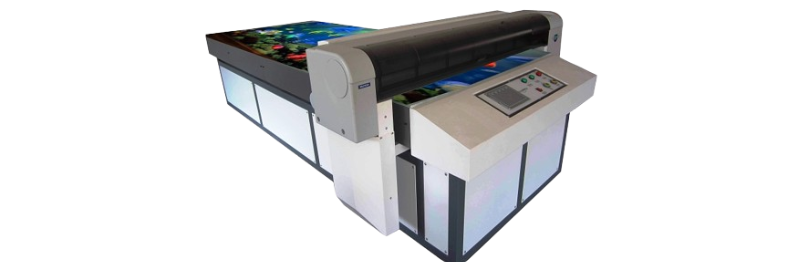
Modern production lines must accommodate far more than standard woven textiles, extending their capabilities to challenging materials such as leather, polyurethane, technical knits, and rigid or semi-rigid items. Advanced flatbed configurations utilize high-resolution optical sensors and vacuum-secured beds to print directly onto non-traditional surfaces without distortion.
This versatility allows manufacturers to expand their product offerings into sporting goods, specialized accessories, and architectural furnishings using a single integrated production platform. By combining multi-surface capability with rapid format switching, facilities can diversify their market reach and fulfill specialized client requests with remarkable speed and precision.
Optimizing Industrial Workflows Through Advanced Engineering Solutions
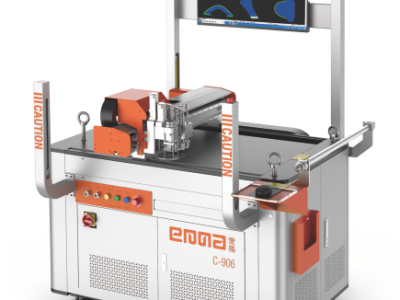
Achieving peak efficiency in modern textile manufacturing relies on robust machinery built for continuous, heavy-duty operation across millions of production cycles. Advanced industrial ecosystems incorporate multi-surface printing options, precision automated hemming, high-speed slitting, and specialized drying systems designed to maintain uniform moisture levels across wide material widths. Industrial washing and cooling units further enhance processing capabilities, ensuring that every batch meets rigorous standards for durability and finish.
Facilities benefit from decades of engineering expertise, where every machine component is designed to withstand rigorous daily use while reducing manual intervention. Comprehensive support infrastructure, ranging from initial plant layout consulting to technical training and ongoing maintenance, ensures that production floors maintain maximum uptime and superior output quality.
Summary
The continuous advancement of manufacturing technologies has permanently altered how visual patterns are integrated into textile substrates. By merging precise inkjet mechanics with sustainable chemical processes, producers can achieve unprecedented levels of efficiency, color depth, and design flexibility. This evolution eliminates traditional bottlenecks, allowing both small design studios and large industrial plants to adapt swiftly to changing consumer demands without compromising structural integrity or environmental responsibility.
As the industry continues to refine its capabilities, the focus remains on minimizing resource consumption while maximizing creative output. Advanced machinery and intelligent software work in tandem to streamline every stage of production, from initial graphic rendering to final thermal fixation and washing. This holistic approach ensures that modern textile creation is faster, cleaner, and more versatile than ever before.