
Operators running conventional printing lines know the intense financial sting of unplanned downtime. When a heavy rotary screen gets damaged or calibration drifts out of alignment, the entire floor grinds to a complete stop. You are not just losing valuable minutes. You are hemorrhaging raw materials and paying exorbitant labor costs for idle hands. Mechanical degradation happens slowly and then suddenly creates massive failures. Steel bearings wear down over time. Drive belts lose tension under continuous heavy strain. Without warning, a one thousand meter run of expensive silk is completely ruined by persistent ghosting or off register prints.
Facility managers often mistakenly accept this excessive fabric waste as a standard unavoidable cost of doing business. This passive acceptance eats directly into your monthly profit margins. Dealing with clogged nozzles on older digital systems or waiting for custom screens to be engraved keeps turnaround times bloated and highly unpredictable. Modern apparel brands demand faster deliveries and increasingly smaller batch sizes to test consumer trends. Traditional mechanical setups simply cannot pivot quickly enough to seamlessly meet these highly fragmented orders without completely crushing operational budgets.
The transition to modern digital workflows requires a distinct shift in how facilities manage daily equipment reliability. Implementing Aura Digital Textile Printing fundamentally alters this equation by removing the intense physical friction from the initial setup phase. Instead of spending four exhausting hours aligning screens and manually mixing chemical color pastes, operators can quickly push digital files directly to the fabric surface. This direct software approach totally eliminates the mechanical wear variables plaguing conventional machinery and strictly ensures the very first meter printed perfectly matches the thousandth meter.
Accelerating Continuous Feed Workflows With Advanced Calibration
Continuous feed operations demand flawless mechanical handling to deeply maintain high profitability. Any micro slippage in the heavy fabric feeding system translates directly into horizontal banding across the final finished product. Advanced continuous feed systems rely heavily on highly sophisticated tension control mechanisms to keep varying substrates perfectly taut regardless of their inherent stretch properties. Processing delicate breathable knitwear requires completely different internal handling mechanics compared to heavy woven canvas or thick outdoor polyester banners.
Digital continuous feed technology expertly manages this immense material variability through automated tension adjustments and incredibly precise raster image processing. The internal software translates complex digital design data into exact mathematical firing instructions for the individual ink droplets. By deeply analyzing the specific stretch and weave of the loaded substrate, the intelligent system automatically compensates for potential visual distortion before the ink ever touches the fabric.
Production floors utilizing these robust continuous systems see immediate measurable improvements in overall daily throughput. Eliminating manual operator tension adjustments cuts initial setup times by nearly forty percent. Furthermore, the continuous roll configurations easily handle massive production volumes without constantly requiring manual operator intervention. This intense mechanical consistency allows textile manufacturers to confidently accept incredibly tight deadlines for seasonal fashion collections or large scale commercial banners while strictly maintaining perfect quality controls.
Multi Surface Precision Through Advanced Flatbed Mechanisms
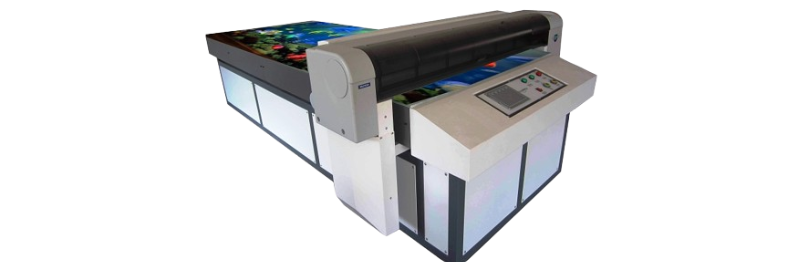
Not all lucrative production demands fit neatly onto a standard continuous roll feeder. Specialized commercial items like custom leather goods, engineered synthetic sports panels, and heavy polyurethane materials require absolute physical stability during the ink deposition process. Advanced flatbed mechanisms provide a highly stationary vacuum base where the substrate remains perfectly locked into place while the heavy print carriage rapidly moves overhead. This sophisticated design completely eliminates any possibility of material shifting or accidental stretching during complex multi pass print jobs.
Handling highly diverse materials introduces incredibly unique curing and chemical adhesion challenges that standard roll machines simply cannot handle. Applying vibrant lasting graphics to a synthetic sports football panel requires a completely different ink chemistry and dot gain calculation than printing heavily on soft cotton terry cloth. Advanced flatbed configurations genuinely excel in this specific mechanical versatility. They allow skilled operators to seamlessly swap between rigid or highly thick materials without needing to physically reconfigure the entire machine architecture.
Facilities integrating robust flatbed capabilities can immediately and successfully diversify their corporate client base and daily revenue streams. Instead of turning away high margin custom commercial jobs because of severe material constraints, manufacturers can confidently process structural leather, heavy glass panels, and specialized industrial footwear components. The unique ability to guarantee incredibly sharp resolution and extremely fine detail on highly irregular surfaces gives your facility a distinct competitive advantage over operations strictly limited to standard roll fabrics.
Lowering Total Cost of Ownership via Modular Component Architecture
The most significant operational barrier to rapidly scaling digital operations has historically been the unpredictable replacement cost of vital consumable parts. Specifically, the highly delicate components responsible for microscopic ink delivery often fail due to hard chemical clogs or accidental head strikes during incredibly fast production runs. When a single internal replacement piece costs thousands of dollars, a simple minor operator error completely destroys the profit margin for the entire month. This severe financial risk forces many smart facility owners to heavily hesitate on highly necessary equipment upgrades.
Modern mechanical engineering has completely solved this specific vulnerability by aggressively introducing highly accessible modular physical architectures. Replacing a damaged ink delivery unit now costs under US$500 in specific highly advanced models. This massive strategic reduction in replacement pricing completely shifts the daily operational risk profile for the entire printing facility. Monthly maintenance budgets become entirely predictable and easily manageable rather than highly volatile and deeply stressful for the corporate accounting department.
This incredibly cost effective approach absolutely does not sacrifice actual finished output quality whatsoever. These highly accessible internal components still effortlessly deliver the exact picoliter drop sizes strictly required for stunning photorealistic details and perfectly smooth color gradients. By permanently lowering the severe financial barrier for crucial daily maintenance, facilities can consistently keep their heavy machines running with optimal efficiency without ever delaying necessary replacements due to budget fears. The final verifiable result is a consistent ninety seven percent uptime and significantly higher overall mechanical equipment effectiveness.
Achieving Exact Color Consistency Across Fragmented Batch Sizes
Global fast fashion and premium custom apparel brands strictly demand exact color matching across multiple distinct and chronologically separated production runs. A navy blue complex floral pattern printed in early March must perfectly match a massive restock order printed in late November. Traditional manual dye mixing relies far too heavily on the shifting ambient environmental conditions of the mixing room and the highly subjective eye of the mixing technician. This unreliable human element introduces completely unacceptable chemical variances in color fastness and overall visual hue.
Digital ink deposition permanently standardizes the entire color profile through strict mathematical and highly algorithmic software control. The incredibly advanced software perfectly utilizes precise color profiles to strictly dictate the exact volume ratio of cyan, magenta, yellow, and black strictly required to flawlessly replicate specific client Pantone targets. Unpredictable environmental factors are heavily neutralized because the highly precise ink formulation remains safely sealed and completely physically consistent from the internal machine cartridge directly to the final fabric surface.
This extreme operational precision easily allows busy facilities to entirely eliminate the historically lengthy strike off approval processes. Skilled operators can easily and quickly print a short one meter sample that perfectly represents the massive final upcoming production run. Corporate clients receive highly accurate physical prototypes significantly faster than traditional methods allow. When the client enthusiastically approves the initial sample, the facility can immediately initiate the full production run with absolute supreme confidence that the colors will permanently remain vibrant, heavily saturated, and completely visually uniform from start to finish.
Slashing Pre Press Timeframes to Handle Extreme Demand Surges
The absolute main bottleneck in any traditional textile facility reliably occurs long before a single solitary drop of dye ever touches the fabric. Preparing intricate vector artwork, strictly separating individual colors, and carefully engraving individual heavy rotary screens requires several days of incredibly intense and expensive manual labor. If the major corporate client unexpectedly requests a simple colorway change late in the process, the entire physical engraving process must regrettably begin again from scratch. This highly rigid and totally unforgiving timeline completely disqualifies traditional facilities from profitably competing in the rapidly exploding on demand apparel market.
Bypassing these outdated physical preparation steps entirely provides massive and highly lucrative operational agility. A skilled graphic designer can easily modify a highly complex geometric pattern on their computer monitor and rapidly send it directly to the active machine production queue in mere minutes. This completely digital software pipeline seamlessly allows smart facilities to rapidly aggregate multiple incredibly small client orders into a single highly efficient continuous automated print run. Intelligent internal software automatically nests completely different varying designs onto the exact same roll of fabric to heavily minimize blank unused space and completely eliminate expensive raw material waste.
Current verified industry metrics clearly show that successfully eliminating manual physical screen preparation reduces overall pre press operational time by up to eighty five percent. Optimized facilities can easily accept large complicated rush orders on Monday morning and confidently ship the fully finished premium textiles on Wednesday afternoon. This rapid agile turnaround capability directly attracts highly lucrative long term contracts from modern global ecommerce brands that strictly rely on tight zero inventory business models and constantly require immediate fast fulfillment of rapidly changing trending designs.
Scaling Operational Capacity With Engineered Digital Solutions
Upgrading immediately to highly robust industrial grade flatbed and incredibly advanced roll to roll printers provides the absolute stable foundation for massive and highly sustainable operational scaling. Growing commercial facilities deeply need heavy machinery that consistently delivers incredibly vibrant colors, exceptionally fine micro details, and amazingly sharp optical resolution specifically engineered for highly demanding fashion textiles, custom breathable knitwear, outdoor weather resistant flags, and commercial advertising banners. Adopting highly robust structural equipment equipped with incredibly affordable print heads directly ensures that ongoing routine preventative maintenance never unexpectedly cripples the highly optimized tight production schedule.
Implementing these highly comprehensive technical solutions confidently allows a modern facility to transition permanently away from outdated manual, highly error prone workflows directly into beautifully streamlined, strictly data driven automated production. High performance premium industrial systems easily and seamlessly handle both highly delicate luxury knits and completely robust thick industrial materials with exact equal mechanical precision. This incredible operational flexibility strictly means a single modernized facility can flawlessly service high end exclusive fashion houses, busy global promotional agencies, and custom heavy footwear manufacturers simultaneously without constantly physically retooling the entire busy production floor.
The true long term financial value heavily lies in the highly predictable daily output and drastically reduced monthly operational overhead. By drastically and permanently cutting total daily water consumption and severely minimizing highly costly fabric waste during standard automated calibration, these highly integrated premium systems successfully create a highly sustainable and deeply incredibly profitable commercial business model. Modernized facilities properly and fully equipped with these incredibly advanced digital printing and ultra precision cutting systems consistently rapidly outpace local and global competitors by consistently delivering immensely superior product quality with unprecedented operational velocity.
Final Thoughts
The permanent global shift toward highly modernized automated manufacturing workflows is genuinely no longer an optional luxury for industrial facilities aiming to completely dominate their local and massive global markets. Actively relying on outdated mechanical analog machinery severely and permanently guarantees much higher daily material scrap rates, significantly slower delivery turnarounds, and constantly shrinking monthly profit margins. By deeply and carefully analyzing the exact structural points of internal friction within your specific daily commercial workflow, you can highly strategically deploy incredibly advanced automated printing systems to completely and permanently eliminate severe production bottlenecks. The initial strategic commercial capital investment is very rapidly completely offset by the drastic and immediate reduction in expensive raw material waste and the complete total elimination of all highly physical pre press labor requirements.
Actively aggressively implementing these highly robust premium systems deeply and reliably provides incredibly immediate quantifiable mathematical benefits across the entire incredibly busy commercial production floor. Highly skilled machine operators spend significantly less daily time troubleshooting annoying repetitive mechanical failures and much more incredibly valuable time heavily optimizing daily machine output for highly demanding high margin corporate enterprise clients. The unique technological ability to confidently and flawlessly execute highly complex, multi surface premium commercial projects easily allows your modernized facility to actively capture highly diverse lucrative market segments that were previously completely commercially inaccessible. Highly predictable manageable internal monthly maintenance costs and incredibly superior overall print color accuracy quickly build incredibly deep permanent trust with major demanding enterprise level brands that consistently and strictly demand absolute visual perfection on every single solitary printed yard of heavy fabric.
Staying heavily commercially competitive absolutely requires a total completely uncompromising structural commitment to strict optical precision and incredible daily mechanical efficiency. The incredibly intelligent strategic adoption of digital textile printing fundamentally and permanently completely redesigns exactly how a busy commercial facility properly and safely handles massive daily order volume and highly complex design variety. By aggressively and fully embracing intelligent automated internal calibration, highly accessible affordable component physical architecture, and incredibly versatile robust multi surface technical capabilities, your daily commercial operation rapidly and permanently transforms into a highly responsive, heavily incredibly scalable premium industrial powerhouse perfectly ready to seamlessly and profitably meet the absolute most aggressive tight delivery schedules without ever compromising on ultimate premium fabric quality.
Frequently Asked Questions
What is the average setup time for a digital roll to roll printer?
Modern digital systems bypass physical screen preparation completely, dropping initial setup times from several long hours to mere short minutes. Operators simply easily load the digital graphic file, verify fabric mechanical tension, and rapidly initiate the automated run.
How do affordable print heads impact overall maintenance budgets?
Replacing traditional delicate components previously cost thousands per individual unit. Utilizing systems with replacement unit costs under US$500 turns a massive painful capital expense into a highly predictable, easily managed minor operational cost.
Can flatbed systems print directly on rigid materials like glass?
Yes. Specialized advanced flatbed configurations successfully utilize highly unique adhesion chemistry and stationary vacuum bases to perfectly ensure liquid ink permanently bonds directly to highly non porous rigid surfaces like heavy glass, structured leather, and synthetic polyurethane.
What prevents fabric skewing during continuous feed operations?
Advanced continuous systems rely heavily on automated intelligent tension control mechanisms and heavily specialized gripping feeding rollers. These internal systems constantly digitally measure fabric stretch and adjust the pulling force to flawlessly keep the substrate perfectly geometrically aligned.
How does digital ink deposition ensure color consistency across batches?
Digital systems utilize strict algorithmic ICC color software profiles rather than highly subjective manual human mixing. This guarantees the exact precise mathematical ratio of liquid colors is fired onto the substrate, ensuring a print done today perfectly seamlessly matches one done six months ago.
Are digital systems suitable for printing on delicate knitwear?
Yes, high performance advanced roll to roll systems easily flawlessly accommodate highly delicate knits by heavily automatically reducing pulling tension and heavily relying on highly advanced raster image processing software to perfectly compensate for the inherent material stretch of the specific physical fabric structure.
What is raster image processing and why is it important?
Raster image processing rapidly translates complex digital graphic design files into the exact mathematical precise firing instructions for the heavy machine hardware. It carefully determines precise microscopic dot placement and liquid ink volume to perfectly ensure extremely sharp optical resolution and perfectly smooth blended color gradients.
How much water is saved by switching from traditional to digital methods?
Digital application drastically and permanently cuts overall water consumption by completely eliminating the highly extensive chemical washing cycles strictly required to properly clean traditional physical rotary screens and large mixing vats. Some highly optimized modern facilities successfully report water usage reductions massively exceeding fifty percent.
Can I print multiple designs on the same roll without stopping?
Yes. Intelligent intuitive nesting software flawlessly allows skilled operators to rapidly queue completely different visual patterns on the exact same continuous fabric roll. The machine simply automatically shifts from one data graphic file to the very next without requiring any physical operational pauses whatsoever.
What causes horizontal banding and how do advanced systems fix it?
Visual banding typically occurs directly due to microscopic fabric mechanical slippage or partially clogged ink nozzles. Modern intelligent systems fix this completely by utilizing highly precise automated corrective tension rollers and highly accessible, affordable ink delivery