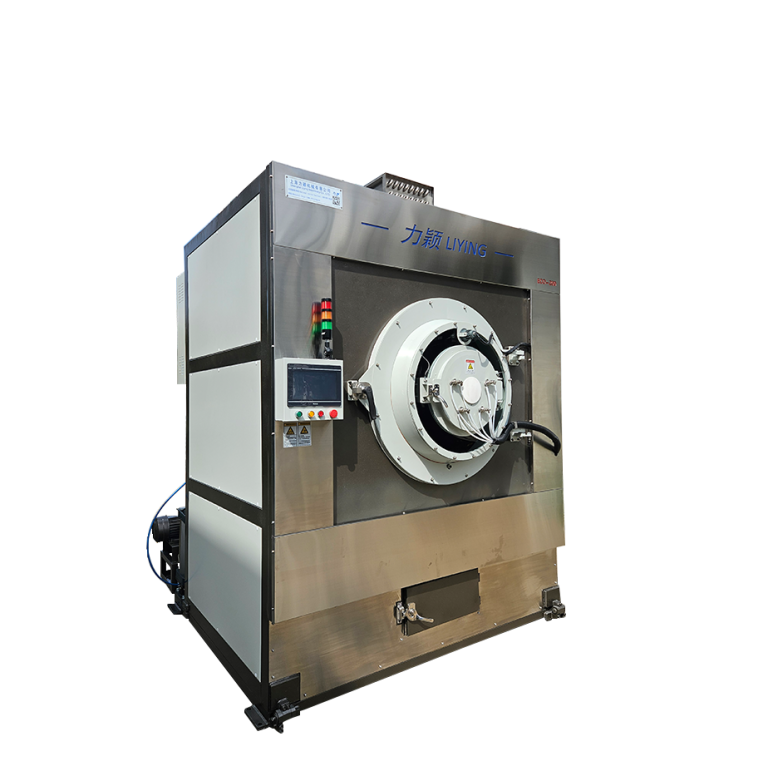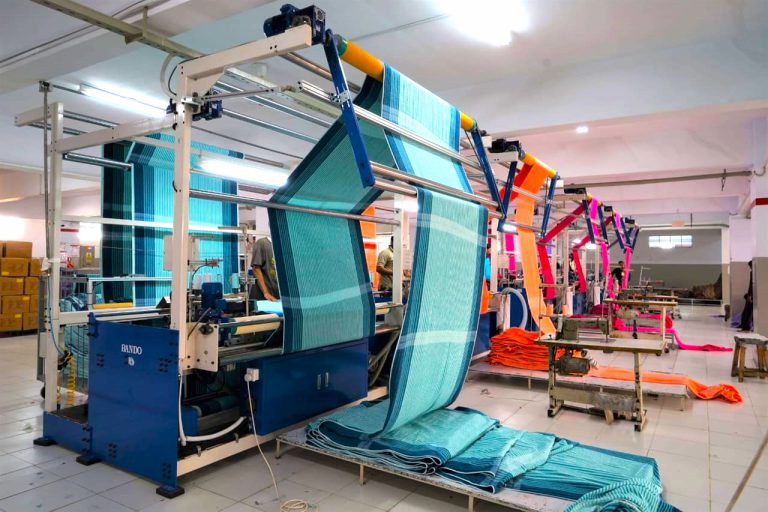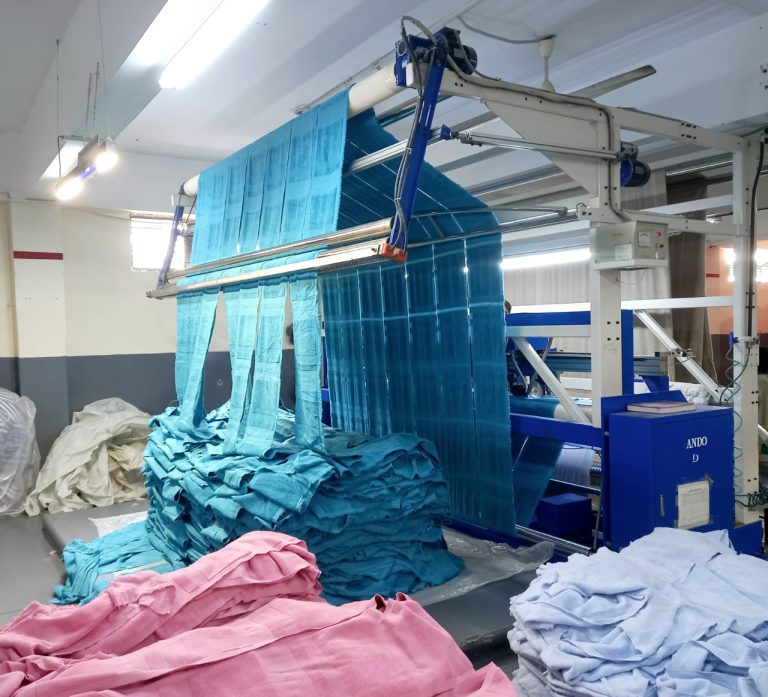


In denim wet processing laundries, industrial garment dye houses, and high volume institutional hospitality facilities, heavy duty washing machines and commercial tumble dryers represent the foundational engines of plant throughput. These robust machines operate under punishing conditions, executing continuous hot water wash cycles, stone washing abrasions, enzyme bio polishing treatments, and high extraction centrifugal spins twenty four hours a day. Investing in premium commercial laundry equipment engineered with low liquor ratio wash drums, high extraction G force motors, and integrated water recycling systems slashes utility expenses while maximizing garment finishing quality.
Washer Extractor Engineering and High G Force Extraction
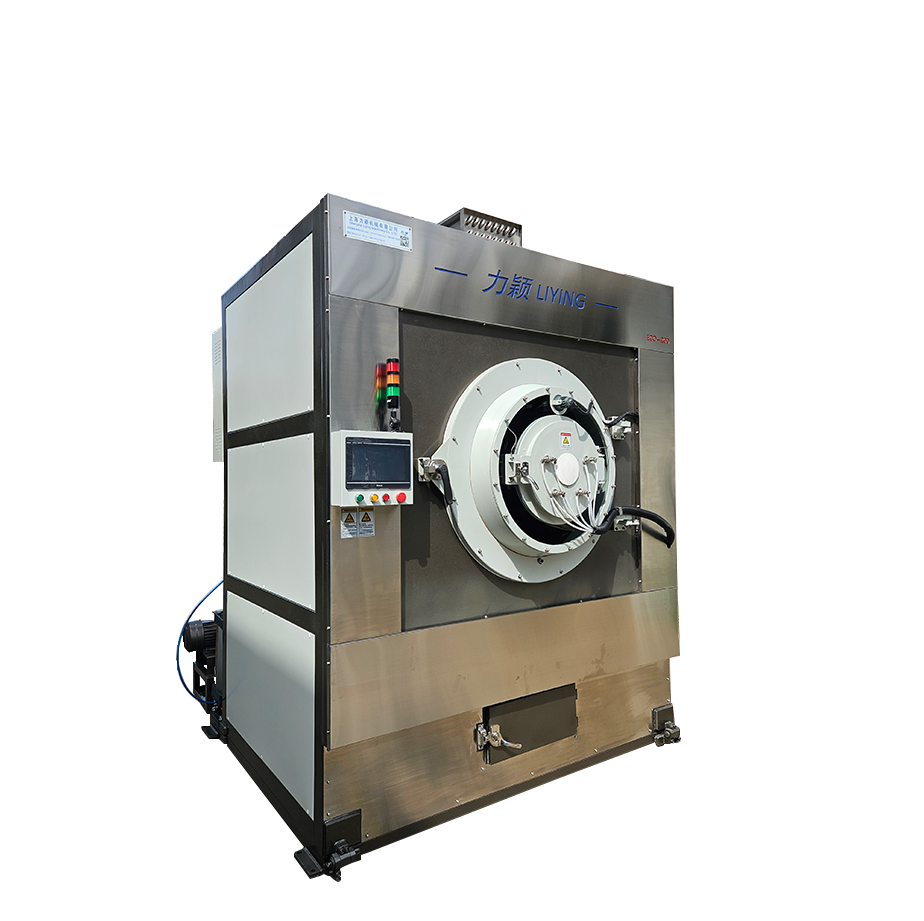
Modern industrial washer extractors move far beyond simple batch agitation. Heavy gauge stainless steel inner drums fabricated from grade AISI 316L stainless steel provide complete immunity against aggressive textile chemicals, reactive dyestuffs, and acidic denim bleaching formulations. Precision perforated drum walls ensure rapid liquor exchange and thorough chemical penetration throughout deep garment loads.
The transition from washing to moisture extraction is powered by heavy duty multi speed electric motors controlled by sophisticated variable frequency inverters. During high spin extraction phases, drum rotation accelerates smoothly to generate centrifugal extraction forces exceeding three hundred fifty G. This intense extraction force expels mechanical water from cotton fibers, reducing residual fabric moisture retention down to forty five percent or lower. By stripping out the vast majority of water mechanically rather than thermally, drying cycle times in subsequent tumble dryers are cut by up to thirty minutes, delivering immense natural gas and steam savings.

Heavy Duty Suspension and Vibration Dissipation
Centrifugal extraction of heavy, water soaked denim jeans or wet terry towels creates massive dynamic unbalanced forces. Superior industrial washer extractors employ advanced free standing suspension architecture comprising heavy gauge coil springs paired with industrial grade hydraulic shock absorbers. This multi directional dampening network absorbs more than ninety five percent of out of balance kinetic energy.
Because dynamic vibrations are thoroughly dampened within the internal floating chassis, these high extraction machines can be installed directly onto standard reinforced concrete factory floors without requiring costly poured concrete inertia blocks or deep foundation bolting. Optical out of balance sensors continuously monitor drum oscillation amplitude, automatically redistributing tumbling goods if severe load imbalances occur before high speed extraction ramps up.
Low Liquor Ratio Washing Mechanics and Water Conservation Architecture
Conventional garment washing systems consume up to fifteen liters of clean water for every kilogram of processed goods, imposing enormous utility bills and wastewater treatment costs. Advanced commercial washer extractors feature engineered drum lifter ribs with internal scoop geometries that lift wash liquor from the bottom sump and cascade it continuously over the tumbling garments.
This dynamic shower wash action enables deep chemical penetration and rapid soil removal at liquor ratios as low as one to four point five. By reducing total water volume inside the drum, the machine requires forty percent less steam energy to heat wash baths up to operating temperatures of sixty to eighty degrees Celsius. Furthermore, chemical concentration remains higher with smaller water volumes, allowing chemical dosages for enzymes, softeners, and fixing agents to be reduced by twenty five percent while achieving superior wash fastness.
Microprocessor Control and Automated Chemical Dosing
Modern commercial laundries demand uncompromising consistency across production batches. Industrial washer extractors feature advanced touchscreen microprocessor controllers capable of storing dozens of customized processing recipes. Plant managers can pre program exact water fill levels, temperature setpoints, drum tumbling cadence, chemical dosing sequences, and ramped extraction speeds.
Peristaltic liquid chemical dosing pumps connect directly to the rear manifold of the wash cylinder, injecting precise volumes of detergents, enzymes, desizing chemicals, and optical brighteners at programmed cycle intervals. Automatic chemical flush systems prevent concentrated chemical splashing directly onto dry fabric surfaces, eliminating chemical spot stains and ensuring uniform treatment across every single garment.
Water Recovery Integration and Energy Optimization
Water scarcity and rising effluent treatment fees make water conservation a top priority for competitive laundries. Modern washer extractors integrate multi valve drain systems that segregate lightly soiled rinse water from heavily soiled initial wash baths. Final rinse water is automatically diverted into insulated stainless steel holding reservoirs equipped with multi stage lint filtration.
This captured warm rinse water is then reused as the primary fill for the subsequent load initial wash cycle, recovering both clean water and valuable thermal energy. Integrated water recycling loops reduce fresh water consumption by up to forty percent. Steam heated machines also incorporate automatic steam condensate return loops, routing hot condensate back to the central boiler feed water tank to maximize boiler fuel economy.
To evaluate drum capacities, spin G force ratings, and electrical specifications, explore the official Industrial Washing Machine and Dryers product catalog page for comprehensive technical specifications and customized plant quotations.
Preventive Maintenance Schedules for Commercial Laundry Systems
Maximizing uptime in continuous laundry processing environments requires disciplined daily and monthly maintenance routines:
- Daily door seal and drain valve inspection: Inspect silicone door gaskets for lint buildup and check pneumatic drain valves for complete sealing to prevent water leakage.
- Daily dryer lint trap evacuation: Slide out and vacuum lint filter screens in commercial tumble dryers at the conclusion of every drying cycle to maintain maximum airflow and eliminate fire risks.
- Weekly drive belt and pulley tension verification: Check multi V drive belts connecting electric motors to drum pulleys, adjusting belt tension to eliminate slipping during high acceleration spins.
- Monthly main bearing and shaft seal lubrication: Grease main drum bearings using waterproof, high pressure lithium complex grease through exterior lubrication nipples.
- Quarterly suspension spring and shock absorber testing: Inspect chassis suspension springs and hydraulic dampening cylinders for fluid leakage or metal fatigue.
- Biannual steam coil and burner heat exchanger cleaning: Clear accumulated lint from commercial dryer steam radiators or gas burner combustion chambers to maintain optimal thermal heat transfer.
High Volume Heavy Duty Commercial Dryers
Following high extraction washing, goods transfer into high capacity commercial tumble dryers engineered for rapid moisture evaporation. Heavy gauge perforated drying drums with reversible rotation prevent garments from tangling or balling into dense knots. Powerful radial axial airflow streams pass through the tumbling fabric, carrying vaporized moisture out through high velocity exhaust ducts.
Advanced digital residual moisture sensors monitor drum humidity continuously, terminating drying cycles automatically the moment goods reach the target moisture regain percentage. This intelligent cycle control eliminates over drying, protecting delicate cotton fibers from thermal degradation, minimizing garment shrinkage, and reducing overall factory electrical and gas consumption by up to twenty percent.
Automated Water Recycling Loops and Effluent Heat Exchanger Dynamics
Textile laundries and industrial garment finishing plants produce substantial volumes of warm wastewater loaded with residual thermal energy. Modern commercial washing systems incorporate multi port diversion valves that isolate clean final rinse effluent from contaminated scouring baths. Rather than dumping warm rinse water down sewer drains, pneumatic routing valves divert this water into dedicated stainless steel reclamation reservoirs.
Fitted with continuous multi stage lint filtration screens, these reclamation tanks hold warm water at approximately forty to fifty degrees Celsius. When the washer extractor initiates a fresh wash cycle for incoming raw garments, an automated suction pump draws directly from the reclamation tank rather than drawing cold municipal water. This internal water recycling loop cuts fresh water utility intake by up to forty five percent. Simultaneously, shell and tube heat exchangers capture latent heat from hot effluent discharge pipes, transferring thermal calories to incoming cold water lines. Boiler fuel oil and natural gas consumption drops dramatically, lowering per kilogram garment finishing overhead across continuous multi shift plant operations.