

Knitted cotton, viscose, modal, and elastane blended fabrics are notoriously sensitive to mechanical tension during drying. In conventional cylinder dryers or high tension stenter frames, pulling fabric webs across heated metal drums stretches delicate knit loops into elongated, distorted ovals. When garments sewn from such stretched fabrics are washed, the distorted loops contract vigorously, causing severe garment spirality, twisted side seams, and unacceptable shrinkage. Installing an ENTEMA Relax Dryer eliminates tension induced distortion by providing gentle, floating conveyor drying that restores natural loop geometry and guarantees dimensional stability.

Aerodynamic Wave Cushioning and Multi Pass Conveyor Architecture
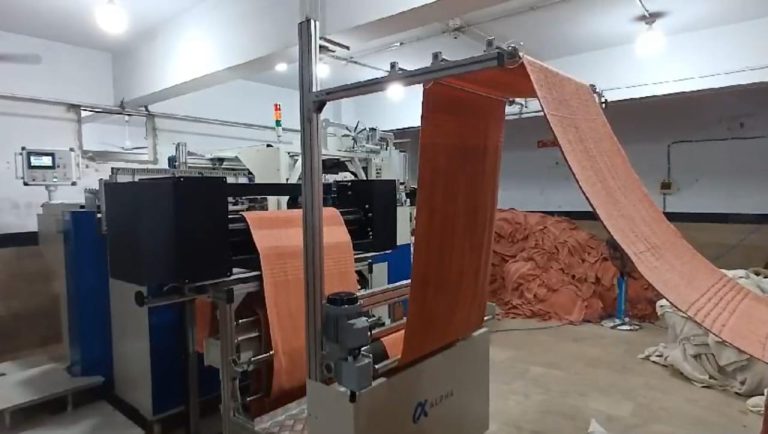
The engineering foundation of the ENTEMA Relax Dryer is its multi pass conveyor belt system paired with alternating upper and lower air nozzle fingers. Fabric enters the drying chamber across an overfeed roller that introduces calibrated longitudinal overfeed between ten percent and fifty percent. High open area woven mesh conveyor belts fabricated from heat resistant Teflon coated fiberglass carry the relaxed fabric through multiple horizontal drying tiers.
Specially contoured air nozzles blow high volume, low pressure hot air streams from alternating top and bottom locations. This undulating airflow lifts the fabric gently off the conveyor belt surface, supporting the wet fabric on a continuous aerodynamic wave cushion. As the fabric undulates freely between air streams, yarn loops vibrate and contract in both lengthwise and widthwise directions without experiencing mechanical drag. The fabric dries in a completely natural, unconstrained state, locking in soft fullness and permanent shrinkage stability.

Individual Temperature Zone Regulation and Moisture Management
Different textile fibers possess distinct thermal evaporation characteristics. Natural cotton requires steady heat to vaporize core moisture, whereas delicate synthetic fibers such as elastane and polyamide degrade if exposed to excessive surface temperatures. The ENTEMA Relax Dryer divides the drying chamber into independent thermal zones, each equipped with its own modulating gas burner or steam radiator, variable frequency circulation blower, and exhaust humidity sensor.
In the entry zone, high temperature airflow initiates rapid surface moisture evaporation. In intermediate zones, temperatures modulate downward to allow deep core moisture migration without overheating delicate yarn surfaces. In the final exit zone, a dedicated ambient air cooling section stabilizes the fabric temperature before plaiting, preventing hot fabric creasing and static accumulation. Digital moisture sensors measure residual fabric moisture continuously, adjusting conveyor transit speed automatically to deliver uniform moisture content across every batch.
Eliminating Spirality and Skewing in Circular Knits
Circular knitted single jersey fabrics exhibit a strong natural tendency toward spirality, where knitted courses skew diagonally due to residual yarn twist. When single jersey fabric is dried under tension, this skewing becomes permanently heat set, causing finished t shirts to twist awkwardly after home washing. Tensionless relax drying provides the ideal thermal environment to neutralize yarn twist.
Inside the vibrating air cushion of the relax dryer, yarn fibers expand and twist relaxes naturally before the knit structure sets. Driven edge uncurling devices and active bow skew correction rollers positioned at the chamber entry guide curled knit edges smoothly onto the conveyor belts. Single jersey fabrics emerge from the dryer perfectly square, with zero residual torque and straight vertical wale lines that make automated cutting and sewing completely trouble free.
Steam Radiator and Heat Exchanger Thermal Dynamics
Thermal efficiency in textile drying ranges depends on robust heat transfer engineering. The ENTEMA Relax Dryer utilizes high efficiency finned stainless steel tube heat exchangers engineered to withstand operating steam pressures between six and ten bar. Bimetallic radiator tubes combine copper interior linings for rapid thermal conductivity with heavy gauge stainless steel exterior fins that resist lint adhesion and chemical corrosion from wet processing vapors.
Automated steam control valves continuously modulate steam admission based on real time temperature feedback from internal thermocouple probes. Inverted bucket steam traps ensure instantaneous condensate evacuation, preventing water logging in radiator tubes and maintaining peak heating capacity across every hour of continuous operation. Recirculation blowers maintain dynamic static pressure inside upper and lower nozzle plenums, distributing hot air uniformly across fabric widths exceeding three meters.
Upstream Hydro Extraction and Downstream Compactor Synchronization
Operating a modern knitting dye house efficiently requires synchronized material flow between washing, drying, and final finishing. Wet knit goods exiting bleaching or dyeing machines first pass through continuous balloon squeezers or rotary hydro extractors to reduce fabric water content to approximately fifty percent. A motorized j scray accumulator buffers incoming fabric ropes, feeding open width expanders that introduce calibrated longitudinal overfeed onto the relax dryer entry conveyor.
Upon exiting the final cooling section of the relax dryer, the completely relaxed fabric transfers smoothly into downstream felt compacting calenders. Because the relax dryer has already eliminated core residual stresses and aligned loop geometry, compacting calenders only need to perform final surface smoothing and compacting passes. The synchronized production line achieves residual home wash shrinkage below two percent, satisfying the most stringent technical audits from global fashion apparel brands.
For complete technical specifications, multi tier chamber dimensions, and gas burner ratings, check out the official Relax Dryers product catalog page for comprehensive engineering guidance and project quotations.
Structured Maintenance Protocols for Industrial Relax Dryers
Operating high capacity relax dryers efficiently requires disciplined preventive maintenance across all shifts:
- Daily lint screen extraction and cleaning: Slide out primary air filter screens twice per shift, brushing away airborne textile fluff to maintain unhindered air circulation across radiators.
- Weekly conveyor belt tracking inspection: Verify that pneumatic conveyor belt centering guides operate smoothly and Teflon mesh belts track centered on end rollers without edge fraying.
- Monthly burner flame and gas pressure calibration: Inspect gas burner nozzle tips, ignition electrodes, and combustion air blowers to ensure clean, blue flame combustion and zero carbon soot.
- Quarterly overfeed roller drive synchronization: Check timing belts and servo drive couplings on fabric entry overfeed rollers to confirm precision speed synchronization with the main conveyor.
- Biannual exhaust duct and heat exchanger cleanout: Open exhaust plenum inspection doors, removing accumulated lint deposits from heat recovery finned tubes and exhaust fan impellers.
Energy Efficiency and Thermal Heat Recovery Integration
Industrial drying ranges consume substantial thermal energy. The ENTEMA Relax Dryer incorporates heavy duty double walled structural insulation panels packed with high density ceramic fiber and mineral wool insulation, minimizing wall heat dissipation. Interior chamber temperatures up to one hundred sixty degrees Celsius are sustained with minimal fuel consumption.
Integrated air to air plate heat exchangers capture thermal energy from humid exhaust air streams, preheating incoming fresh combustion air by forty to sixty degrees Celsius. This internal heat recycling cuts gas or steam consumption by up to twenty five percent. Furthermore, automatic exhaust dampers modulate exhaust volume based on real time relative humidity measurements inside the chamber, venting only when air reaches peak moisture saturation.
High Output Processing Versatility for Modern Dye Houses
Modern dye houses process a wide variety of fabric types, ranging from ultra lightweight sixty grams per square meter cotton viscose blends up to heavyweight four hundred grams per square meter terry toweling and fleece. The ENTEMA Relax Dryer handles this diverse spectrum with equal excellence. Digital touch screen recipe storage allows operators to select pre programmed drying profiles instantly, setting exact conveyor speeds, nozzle air velocities, overfeed percentages, and zone temperatures at the touch of a button.
Fast style changeover capabilities eliminate production downtime when shifting between delicate pastel knits and heavy dark denim fabrics. Fabrics exit onto precision mechanical plaiters that fold goods in uniform, crease free stacks ready for subsequent compacting or roll winding. The result is a highly efficient, predictable drying department that delivers world class fabric quality on every production shift.