
Textile mills constantly face the pressure of maximizing throughput while minimizing material waste. Plant managers understand that edge finishing directly dictates the final quality of woven goods. Inadequate separation techniques lead to frayed borders and compromised structural integrity in dense fabrics like terry cloth. The reliance on legacy mechanical systems often introduces hidden costs that erode profit margins over high-volume production runs. Upgrading the mechanical infrastructure requires a thorough analysis of how fabrics respond to different cutting mechanisms under extreme tension and continuous speed. The physical impact of a hardened blade slicing through thick cotton loops creates continuous microscopic damage to the yarn.
Over thousands of cycles, mechanical shearing devices lose their sharpness due to immense friction. Dull blades pull threads instead of severing them cleanly. This tension results in distorted towel dimensions and forces operators to halt operations for blade maintenance. The cost of unplanned downtime and mechanical degradation rapidly outpaces the initial savings of older technologies. Engineers must factor in the heavy labor burden of constant recalibration when evaluating floor efficiency. When facility managers evaluate equipment upgrades for terry cloth processing, they inevitably compare the core mechanics of edge separation. The debate surrounding Ultrasonic vs Traditional Towel Cutting Methods centers on the balance between capital expenditure and long-term operational savings.
Mechanical systems rely on brute force and friction, whereas modern acoustic systems utilize high-frequency micro-vibrations to part the fibers. Understanding the exact physics of these two divergent approaches is crucial for optimizing a large-scale manufacturing operation. Selecting the correct parting mechanism requires calculating the total cost of ownership rather than just the initial procurement price. Traditional rotary shears demand constant sharpening schedules and frequent replacement of consumable parts. Every minute a production line is stopped for maintenance equates to lost revenue and bottlenecked supply chains. Factories operating on tight margins simply cannot afford irregular maintenance intervals. The downstream effects of a poor cut include jammed sewing folders and an increase in rejected products during quality control inspections.
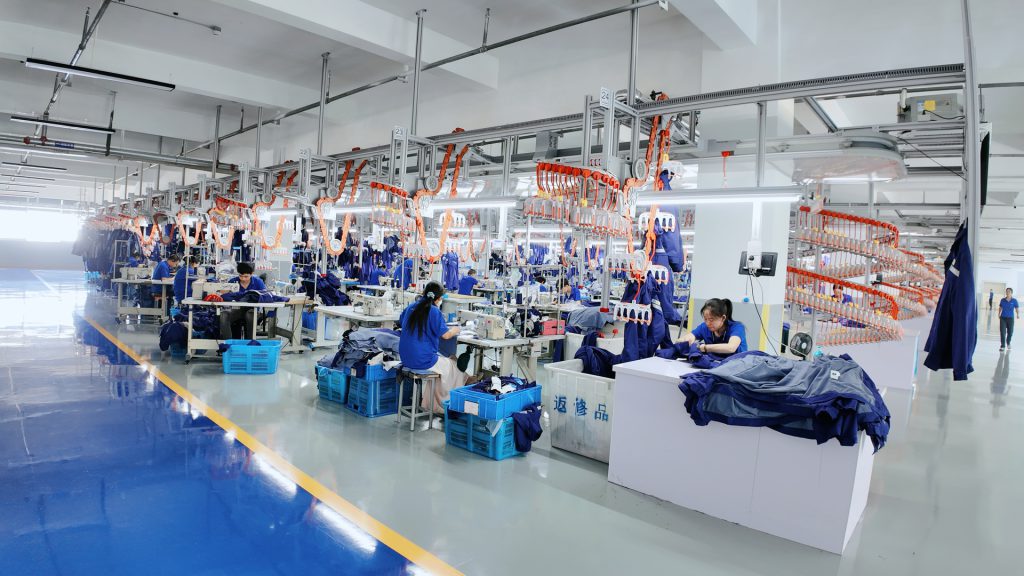
Transitioning to automated continuous lines demands reliable components that operate continuously without supervision. Implementing highly efficient towel automation systems dramatically alters the production floor workflow. Operators shift from actively monitoring blade wear to managing software-driven parameters on digital touch screens. This technological pivot allows mills to reallocate manual labor to quality assurance and logistics planning. The elimination of physical blade handling also drastically improves factory floor safety metrics by removing sharp hazards from the immediate work zone.
Real-World Complications of Mechanical Shearing
The physics of physical cutting involves a hardened steel blade forcing its way through interlaced yarns. This sheer mechanical force generates immense friction and heat localized entirely on the cutting edge. Carbon steel and tungsten carbide blades suffer from micro-abrasions with every single pass through heavy terry toweling. Once the edge degrades, the blade begins to grab and tear the cotton loops. This grabbing effect ruins the neat edge required for high-quality hemming. Operators are then forced to discard the damaged sections. Material waste directly impacts the bottom line of any high-volume textile facility. The maintenance schedule for rotary cutters is notoriously rigid and highly labor-intensive. Plant engineers must factor in the labor hours required to dismount the massive blades, sharpen them to exact specifications, and recalibrate the machine tensions upon reinstallation.
If a blade fails mid-shift, the entire finishing line grinds to a halt. Unplanned stoppage ruins daily production quotas and delays critical shipment schedules. Inconsistent cut quality also forces downstream sewing operators to compensate for uneven edges during the hemming phase. This compensation slows down the sewing speed and leads to puckered seams. The metallurgical limitations of mechanical shearing cannot be ignored in continuous environments. Even the highest-grade steel alloys possess a finite lifespan when subjected to the abrasive nature of cotton fibers and residual spinning lubricants. The constant metal-on-metal contact between the blade and the cutting block creates fine metal dust over time. This dust can contaminate the white terry cloth, leading to a much higher rate of defective units. The cumulative financial drain of replacing blades, managing waste, and sorting contaminated products creates a severe bottleneck for growing textile enterprises.
Thermal and Acoustic Energy in Fabric Separation
High-frequency acoustic vibrations offer a completely different mechanical approach to severing fabrics. A digital generator converts standard mains voltage into a high-frequency electrical signal, typically hovering around 20,000 Hertz. A converter, often called a piezoelectric transducer, receives this energy and translates it into physical mechanical vibrations. A titanium booster modifies the amplitude of these vibrations and transmits them directly to a specialized horn. This horn, known in the industry as a sonotrode, makes direct contact with the fabric resting on a precisely patterned anvil block.
The localized friction generates instant heat right at the microscopic point of contact. For fabrics containing synthetic blends, this heat simultaneously cuts and seals the edge. The polymer melts slightly, binding the warp and weft yarns together. This sealing process prevents yarn unraveling completely. For pure cotton terry cloth, the intense acoustic energy severs the fibers precisely without the crushing force of a heavy mechanical blade. The absence of a sharp edge means there is absolutely nothing to dull over time. The sonotrode maintains consistent cutting performance from the first yard of fabric to the millionth.
This consistency eliminates the variable of blade wear from the quality control equation. Engineers can adjust the amplitude of the vibrations to match the exact density and thickness of the material being processed. The precise control over the acoustic energy prevents scorching or burning, ensuring the fabric retains its pristine appearance. The non-contact nature of the separation guarantees that no metal shavings or contaminants are introduced into the textile stream, safeguarding the integrity of the final product.
Quantifying Efficiency Gains and Waste Reduction
Modern mill operations run on strict data metrics and continuous improvement models. Analyzing the throughput of acoustic severing systems reveals substantial efficiency gains. A traditional mechanical slitter might require downtime every few days for blade replacement or tension adjustment. Acoustic systems can run for weeks or months with zero physical degradation of the parting tool. This continuous uptime translates to a direct increase in overall equipment effectiveness. Higher uptime percentages allow facilities to accept larger production contracts without expanding their physical footprint. Waste reduction is another quantifiable metric that heavily favors acoustic systems. Mechanical blades often require a slightly wider margin of error to accommodate potential tearing and fraying.
Acoustic horns part the material exactly on the designated line with sub-millimeter precision. The accuracy allows facility managers to nest cutting patterns closer together on the fabric roll. Saving just a few millimeters of fabric per towel yields massive yardage preservation over an annual production cycle. Lower material consumption directly increases profit margins without raising the final retail price for consumers. The reduction in electrical consumption also contributes to long-term operational cost savings. Mechanical shearing requires massive industrial motors to drive heavy steel blades through thick fabrics. Acoustic generators draw significantly less amperage to power the highly efficient piezoelectric transducers. The shift from heavy mechanical motors to solid-state digital electronics lowers the total energy footprint of the finishing department. These combined savings in material, labor, and electricity create a highly favorable return on investment for modernized textile mills.
The Cost of Unplanned Downtime in Mill Operations
Factory floor profitability depends entirely on continuous, uninterrupted motion. When a mechanical blade jams or requires unexpected replacement, the financial impact cascades throughout the entire facility. Downstream sewing and folding stations sit idle while technicians scramble to service the slitting machine. The hourly labor costs remain constant while production output drops completely to zero. Unplanned downtime destroys operational efficiency and forces managers to authorize costly overtime shifts to meet inflexible delivery deadlines. Transitioning to micro-vibration parting systems drastically reduces these unexpected stoppages. Solid-state acoustic generators possess no moving internal parts to wear out or break down suddenly. The titanium sonotrodes and hardened steel anvils wear at an incredibly slow and mathematically predictable rate.
Maintenance teams can easily schedule tool replacements during planned holiday shutdowns rather than interrupting active production shifts. Predictable maintenance schedules allow facilities to operate with leaner engineering teams and significantly lower spare parts inventories. The logistical cascade of a machine failure extends far beyond the factory walls. Delayed production runs mean trucks wait idle at the loading dock, incurring standby fees. Missed shipping windows lead to heavy financial penalties from major retail clients and damage the reputation of the textile manufacturer. By eliminating the volatile variable of mechanical blade failure, factory managers stabilize their entire supply chain. Consistent, reliable machinery output is the foundational bedrock of any successful industrial manufacturing enterprise.
Minimizing Fraying and Material Degradation
The structural integrity of a towel edge determines its longevity in rigorous consumer and commercial hospitality settings. A mechanically sheared edge leaves the terminal yarn ends completely exposed and unsupported. If the subsequent hemming process is not perfectly aligned by the sewing folder, the towel will rapidly unravel during its first cycle in an industrial washing machine. Exposed fibers also generate excess lint during the cutting phase, which clogs downstream sewing machinery and requires constant compressed air cleaning. Acoustic parting techniques stabilize the edge immediately upon separation. The high-frequency micro-friction naturally binds the terminal ends of the yarn together.
Even on pure natural cotton fabrics, the precise sheer force creates a much cleaner break than a blunt physical blade. This pristine, consolidated edge feeds flawlessly into automated hemming stations. Sewing needles pass through the stabilized edge without catching loose threads or deflecting off hardened synthetic melts. The final product exhibits superior wash durability and a much cleaner visual presentation on the retail shelf. Buyers for major hotel chains specifically look for tightly bound edges that can withstand hundreds of harsh laundering cycles without degrading. The quality of the initial cut directly influences the lifespan of the textile. By utilizing acoustic energy to separate the fabric, manufacturers ensure their products meet the highest durability standards required by institutional buyers.
High-Performance Machinery for Towel Processing
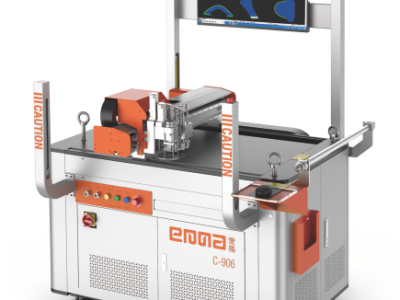
Optimizing the finishing department requires investing in heavy-duty automated solutions designed for high-volume continuous output. High-performance hemming, slitting, and cross-cutting machines completely transform facility capabilities and output quality. Modern configurations utilize advanced programmable logic controllers alongside intuitive touch screens for rapid parameter adjustments. Heavy-duty inverters ensure smooth operation at high speeds, allowing production rates of up to 20 meters per minute while maintaining a consistent 8 stitches per inch. The integration of these advanced modules minimizes human error and maximizes batch consistency.
Implementing automated length control guarantees uniform towel widths across continuous production runs. Clean, accurate cross-cuts executed at high speeds minimize fabric waste and ensure perfectly square product dimensions. Combining the slitting and hemming phases into a single streamlined operation drastically reduces material handling time. Fabric flows directly from the cutting anvil into the sewing folders without intermediate stacking or staging. Advanced diagnostic software continuously monitors motor temperatures, blade tensions, and thread consumption, safely pausing the machine if any parameter falls outside acceptable tolerances.
Upgrading to these highly automated platforms allows a facility to accomplish in one hour what previously took four to six hours of intense manual labor. Energy-efficient multi-pass designs further reduce the total electrical load of the finishing floor while maximizing product throughput. Operators can seamlessly switch between different product dimensions by simply recalling pre-programmed recipes from the main interface. The integration of precision engineering ensures that every piece of equipment performs flawlessly across millions of production cycles, making this level of automation essential for global market competitiveness.
Conclusion
The evaluation of edge separation technologies fundamentally changes how a textile facility operates and manages its resources. Transitioning away from physical blades eliminates the chaotic variables of wear, friction, and constant mechanical adjustment. The integration of high-frequency acoustic systems provides a stable, predictable, and highly efficient method for continuous material processing. Facilities that adopt these precision systems gain a distinct competitive advantage through reduced material waste, maximized machinery uptime, and superior end-product durability.
This shift in methodology requires careful planning and a thorough understanding of fiber dynamics on the production floor. Engineers must precisely calibrate the amplitude and downward force of the acoustic horn to match the specific density of the woven goods being processed. When perfectly tuned, the system completely outpaces legacy mechanical shears in both speed and edge quality. The initial capital investment in modern infrastructure is rapidly offset by the total elimination of consumable blade replacements and the drastic reduction in unplanned maintenance stoppages.
Achieving superior operational efficiency relies on embracing advanced industrial concepts and abandoning outdated brute-force mechanisms. The modernization of the factory floor directly impacts the durability, aesthetics, and profitability of the final consumer goods. By prioritizing automated precision over mechanical friction, textile mills secure long-term financial stability. For a deeper understanding of the foundational processes involved in these environments, exploring the history and mechanics of textile manufacturing provides valuable context regarding industry evolution.