
Substrate distortion during production runs creates a cascade of mechanical and financial failures on the shop floor. When industrial printing processes apply curing energy or localized heat to non-porous materials, the molecular structure of those materials instantly reacts. Metals absorb and retain latent heat, causing gradual expansion across the bed, while plastics tend to warp, buckle, or blister rapidly under intense thermal loads. This dimensional instability fundamentally alters the precise distance between the media surface and the printhead carriage, introducing severe risks to both the finished product quality and the machinery itself. The tolerance for error in high-volume industrial environments is microscopic. A mere millimeter of upward lift on a polycarbonate sheet or a custom aluminum panel is enough to cause a catastrophic printhead collision, immediately halting production schedules and driving up material waste costs.
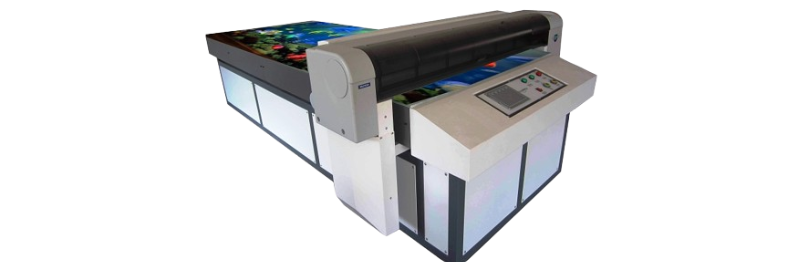
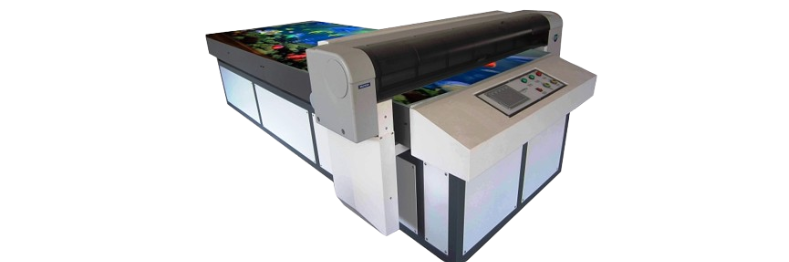
Operators cannot simply bypass this by lowering the curing temperature, as doing so directly compromises ink adhesion, chemical resistance, and long-term scratch durability. Finding the equilibrium between proper ink polymerization and substrate structural integrity requires rigorous control over thermal dynamics, mechanical calibration, and advanced material handling systems. Facilities transitioning to versatile, high-throughput workflows rely heavily on equipment capable of adapting to varying substrate behaviors. This is exactly where Flatbed Digital Printers demonstrate their structural superiority over legacy screen systems. By utilizing robust zoned vacuum beds and precision gantry systems, these machines physically lock down reactive materials, actively fighting the physics of thermal expansion. Their rigid architecture allows production teams to manipulate curing intensity and carriage height dynamically, ensuring precise ink deposition even when a substrate attempts to shift under thermal stress.
Thermal Dynamics in Plastic Substrates
Plastics are notoriously volatile when introduced to industrial curing systems. Materials like acrylic, PVC, and polycarbonate possess high coefficients of linear thermal expansion. When UV lamps pass over these surfaces to cure the ink, the localized heat transfer causes the top layer of the plastic to expand faster than the cooler bottom layer resting against the bed. This thermal differential inevitably results in upward curling or edge warping.
If the material lifts off the bed, the focal length for the ink droplets changes. This shift destroys dot placement accuracy, resulting in blurry text, banding, and color shifting. Furthermore, excessive heat can cause outgassing in certain plastics. Outgassing releases chemical vapors that interfere with the curing process, creating a tacky surface finish and weakening the bond between the ink and the substrate. Controlling this requires active heat management, often achieved through water-cooled LED curing systems rather than traditional high-heat mercury arc lamps.
Thermal Dynamics in Metal Substrates
Metals behave entirely differently under thermal load. Aluminum, steel, and treated alloys are excellent thermal conductors. Instead of curling immediately like plastics, metal substrates absorb the heat generated by the curing lamps and spread it across the entire panel. Over the course of a multi-pass print job, the ambient temperature of the metal steadily rises. This accumulated heat creates two distinct operational challenges. First, the expansion of the metal, while flat, alters the dimensional accuracy of the print. A graphic designed to fit exact mounting holes may shift just enough to ruin the panel’s alignment during final assembly. Second, hot metal negatively impacts ink viscosity. If the substrate is too warm, the ink droplets may spread outward upon contact before the UV light can pin them in place. This “dot gain” reduces image sharpness and creates muddy edges on fine text or intricate mechanical schematics.
The Problem-Solution Pivot
Shop floor managers constantly battle the friction between production speed and machine safety. The specific pain points of printing on reactive materials are not just frustrating; they represent massive financial leaks. An unexpected substrate warp does not just ruin a single blank; it risks severe mechanical degradation. A high-speed carriage colliding with a lifted sheet of rigid PVC destroys expensive printheads, strips alignment gears, and necessitates extensive recalibration. The cost of unplanned downtime while waiting for replacement parts often exceeds the value of the entire production run.
To neutralize these threats, industrial facilities must implement targeted operational solutions. Upgrading to advanced cooling systems and industrial heat exchangers stabilizes the ambient temperature of the printing environment, preventing the equipment itself from contributing to substrate heat. Zoned vacuum hold-down systems must be utilized at maximum capacity, using localized suction to pin down the specific dimensions of the material rather than spreading vacuum pressure across empty bed space. Finally, utilizing multipass printing strategies allows the material brief cooling windows between ink layers, mitigating the rapid temperature spikes that trigger structural warping.
Assessable Returns and Efficiency Gains
Investing time and capital into managing thermal expansion yields aggressive returns for industrial print providers. By stabilizing the printing environment and securing substrates correctly, facilities can drastically alter their profitability metrics.
- Scrap Reduction: Eliminating substrate warping drops material waste rates significantly, allowing facilities to maximize yield on expensive raw materials like anodized aluminum and specialized polycarbonates.
- Prolonged Printhead Lifespan: Preventing material lift eliminates head strikes, extending the operational life of printheads and protecting a critical capital investment.
- Increased Equipment Availability: Stabilizing the thermal environment removes the need for constant mid-run recalibrations, pushing Overall Equipment Effectiveness upward and ensuring delivery deadlines are met.
- Superior Adhesion Metrics: Proper temperature control ensures UV inks cure at their intended chemical threshold, passing cross-hatch adhesion tests and surviving rigorous industrial wash cycles without delamination.
- Energy Efficiency: Transitioning from high-heat legacy curing to cool-cure LED technology lowers electricity consumption while simultaneously protecting heat-sensitive media.
Pre-Press Material Acclimatization
A frequently overlooked technical strategy is the thermal acclimatization of the raw materials prior to printing. Substrates stored in cold warehouses and immediately moved to a warm production floor will experience thermal shock when hit with a curing lamp. This rapid temperature delta violently accelerates warping and expansion. To ensure stability, industrial plastics and metals must be staged in the production environment for at least 24 hours before processing. This allows the core temperature of the material to match the ambient temperature of the facility. When the substrate is already at a stable baseline, the heat introduced by the printer causes a much gentler, predictable expansion curve that the vacuum system can easily overpower.
Advanced Vacuum and Zoning Strategies
The mechanical defense against thermal expansion is the vacuum table. However, simply turning the vacuum on is insufficient for challenging materials. The system must be optimized to concentrate maximum downward force directly beneath the substrate. If a facility is printing on a series of small metal enclosures or pre-cut plastic signage, leaving the rest of the vacuum bed exposed bleeds pressure and drastically weakens the hold-down force. Operators must mask off all unused areas of the bed. By sealing the exposed vacuum holes with thin, non-porous masking materials, the entire suction capacity of the turbine is forced through the footprint of the substrate. This concentrated pressure effectively clamps the material to the aluminum bed, physically preventing the edges from curling upward even as the material attempts to expand under the curing lamps.
The Role of Ink Chemistry in Thermal Management
Ink formulation plays a massive role in mitigating thermal challenges. High-elongation UV inks are engineered to stretch and flex. If a plastic substrate undergoes minor expansion during the printing process or during its final installation in a fluctuating outdoor environment, high-elongation ink stretches with the material rather than cracking or flaking off. Conversely, rigid UV inks provide unmatched scratch resistance on metals but possess very little flexibility. If a metal panel expands significantly after a rigid ink has fully cured, the stress can shear the ink directly off the surface. Matching the ink chemistry not only to the substrate type but to its thermal expansion profile is a mandatory technical requirement for industrial durability.
Operational Vigilance and Maintenance
Machines that handle multi-surface printing require pristine maintenance to combat material variables. The vacuum table must be routinely cleared of dust, debris, and stray ink mist. A clogged vacuum zone loses its holding power, turning a previously stable area of the bed into a high-risk zone for warping. Furthermore, the printhead carriage requires exact laser alignment. If a previous head strike knocked the carriage even a fraction of a degree out of alignment, the system loses its ability to compensate for minor substrate variations, compounding the failure rate on heat-sensitive materials.
FAQ’s
Why does acrylic warp so easily during printing?
Acrylic has a high coefficient of thermal expansion and acts as an insulator. The top surface heats up rapidly from the curing lamps while the bottom remains cool against the bed. This thermal difference causes the material to bow upward toward the heat source.
How can I prevent printhead strikes on curved materials?
Utilize a highly concentrated vacuum hold-down by masking off all empty bed space. Additionally, program the carriage height to clear the highest potential point of the substrate, understanding that a slightly larger print gap requires slower print speeds to maintain dot accuracy.
Does room temperature affect the printing process?
Absolutely. Ambient temperature and humidity directly impact ink viscosity and substrate baseline temperature. An unstable room temperature causes unpredictable material expansion and irregular ink curing, leading to adhesion failures and color shifting.
What is outgassing in plastics? Outgassing occurs when heat forces volatile organic compounds or trapped moisture out of a plastic substrate. These escaping gases interfere with the UV curing process, leaving the ink tacky and severely weakening its bond to the material surface.
How do LED curing systems help with thermal expansion?
LED curing units emit highly targeted UV light without the massive infrared heat byproduct associated with traditional mercury arc lamps. This “cool cure” process fully polymerizes the ink without transferring damaging latent heat to the substrate.
Why does ink peel off metal after printing?
Metals lack surface porosity. If the metal retains too much heat during printing, or if it expands rapidly after a rigid ink has cured, the mechanical bond shears. Using a primer, maintaining stable temperatures, and selecting the correct ink formulation prevents this delamination.
Should I pre-heat metal before printing?
In some industrial applications, slightly pre-heating a dense metal substrate normalizes its temperature, preventing the ink droplets from freezing on contact. This improves ink flow and leveling, but the temperature must be strictly controlled to prevent excessive dimensional expansion.
Can I run the printer slower to reduce heat?
Running a multi-pass print mode provides micro-intervals of cooling between passes, which limits heat accumulation. However, slowing down the carriage speed while keeping the lamp intensity high can actually concentrate heat in one area, making warping worse.
What is the best way to secure small, thick substrates?
For materials that are too rigid or small for the vacuum to hold down effectively, custom routing jigs or mechanical clamps must be used. These fixtures physically lock the material in place and ensure repeatable positioning for high-volume batches.
How long should materials acclimatize before printing?
Metals and industrial plastics should sit in the production environment for a minimum of 24 hours. This equalizes their core temperature with the room, preventing thermal shock when the material is suddenly exposed to the intense energy of the printing system.
Summary
Managing the physical realities of thermal expansion is not a secondary concern; it is the fundamental baseline for profitable industrial printing. When reactive substrates like polycarbonates or aluminum alloys are subjected to intense curing energy, their dimensional shifts threaten both material yield and machine integrity. Relying on outdated systems or hoping for the best inevitably leads to printhead collisions, severe mechanical downtime, and compromised ink adhesion.
True production stability requires a proactive technical strategy. By utilizing the advanced vacuum zoning capabilities of modern flatbed systems, strictly controlling ambient facility temperatures, and matching UV ink chemistry to specific material expansion profiles, shop floor managers neutralize these thermal threats. Protecting the print gap ensures that every run, regardless of the substrate’s thermal volatility, delivers exact dimensional accuracy and uncompromising durability.