
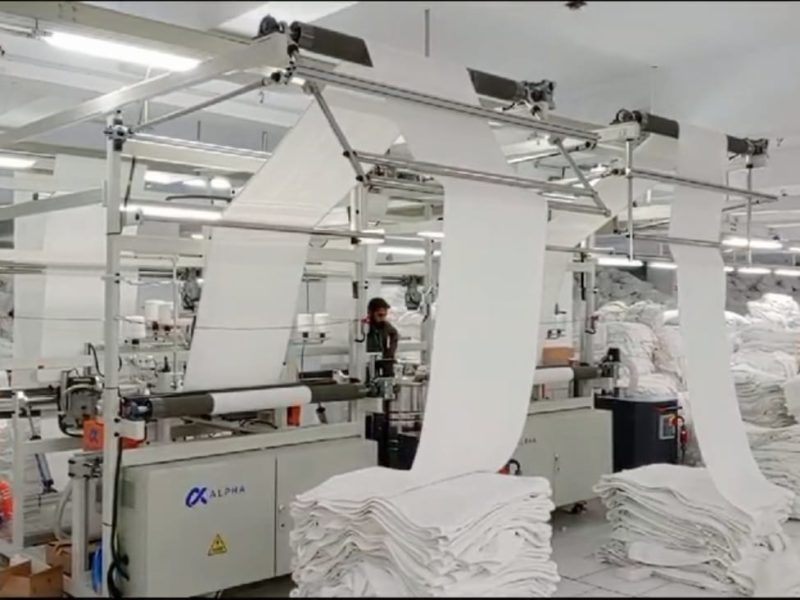
High-speed textile finishing lines require seamless synchronization across cutting, longitudinal hemming, cross hemming, and stacking units. When a single component experiences mechanical drift or pneumatic inconsistency, the entire production chain suffers from reduced output and inconsistent seam quality. Ensuring that these high-speed systems operate at peak performance requires a systematic routine that addresses physical wear, electrical stability, and sensor accuracy.
Factory managers often underestimate how minor friction variations or micro-dust accumulation inside optical sensors can lead to unexpected downtime. Routine inspection schedules are not merely safety precautions; they form the foundation of consistent fabric handling, exact length measurements, and crisp edge folds across heavy terry cloth runs.
Implementing structured operational protocols ensures that high-volume operations remain profitable while extending the operational lifespan of heavy machinery. By prioritizing Maintenance Best Practices for Towel Automation Equipment, facility supervisors can drastically reduce unscheduled line stoppages, minimize material waste, and preserve fabric structural integrity during high-tensile processing cycles.
Establishing a rigorous care culture requires understanding how mechanical stress interacts with automated control systems. Every pneumatic cylinder, servo motor, and cutting blade must be evaluated both individually and as part of an integrated unit to prevent premature wear across adjacent sub-assemblies.
Sensor Calibration and Mechanical Alignment Protocols
Optical and proximity sensors serve as the primary sensory network for high-speed towel processing machinery. These devices detect fabric edges, register hem positions, and trigger precise cutting mechanisms within milliseconds. Over time, lint accumulation, subtle machine vibration, and ambient light fluctuations can distort sensor readings. Technicians should conduct weekly optical cleanings using non-abrasive cleaning compounds and verify calibration against standardized fabric densities to maintain micro-millimeter cutting accuracy.
Mechanical alignment goes hand in hand with sensor accuracy. Conveyor belts, tension rollers, and feeding guides must maintain absolute parallelism to prevent skewing during fabric transfer. A misalignment of even a fraction of a degree can accumulate over a fifty-meter run, resulting in uneven hems and unspotted thread bunching. Utilizing laser alignment tools during routine checks ensures that fabric travels evenly through the tensioning zones without generating uneven lateral force on the drives.
Drive belts and timing pulleys require periodic tension auditing. Over-tightened belts place excessive radial loads on motor bearings, leading to overheating and premature failure. Conversely, loose belts introduce backlash and timing errors that throw off cross-hemming patterns. Establishing a monthly tension measurement protocol using digital sonic tension meters eliminates guesswork and maintains precise synchronization across all motor-driven shafts.
Hydraulic and Pneumatic System Health Checks
Automated towel machinery relies heavily on pneumatic actuation for rapid clamping, folding, and cutting operations. Compressed air lines frequently gather moisture and particulate contamination, which erodes internal seals and causes valve sluggishness. Daily drainage of moisture separators and weekly inspection of main air supply pressure regulators prevent erratic cylinder behavior and protect sensitive pneumatic directional control valves.
Pressure consistency across pneumatic circuits directly impacts fabric handling quality. Fluctuation in air pressure during the folding cycle can lead to loose hems or crushed pile yarns. Installing digital pressure monitoring switches with automated alarm thresholds allows technicians to catch pressure drops before bad folds enter the finished batch. Regularly replacing inlet air filters ensures clean, dry air flows through every actuator.
Sub-surface hydraulic units powering heavy pressing and stacking components require equal diligence. Checking fluid viscosity, monitoring operating temperatures, and conducting fluid contamination sampling every six months prevents internal pump cavitation. Replacing hydraulic fluid filter elements according to strict engine-hour intervals shields precision proportional valves from micro-metal shavings that cause internal spool sticking.
Thermal Management and Electrical Drive Servicing
Servo drives and variable frequency controllers generate considerable heat during continuous multi-shift operations. Cooling fans and ventilation heat sinks on electrical cabinets easily collect airborne textile fibers, creating insulating layers that spike internal temperatures. Monthly vacuuming of cabinet filter mats and checking cabinet cooling fan rotation protects delicate solid-state electronics from thermal degradation and unexpected drive faults.
Electrical wiring connections are subject to continuous vibrational loosening. Loose terminal screws create high-resistance contacts, generating heat spikes that can melt wire insulation or trigger false control faults. Scheduled thermal imaging inspections of main power distribution panels and drive terminals while under load reveal hot spots long before they cause system trips or component meltdowns.
Proper grounding practices safeguard both sensitive microprocessors and human operators. Static electricity naturally builds up as dry terry cloth moves across metallic rollers at high speeds. Inspecting static dissipation brushes and verifying ground continuity between moving mechanical assemblies and the main panel frame prevents high-voltage static discharges from resetting programmable logic controllers mid-cycle.
Lubrication Schedules and Contamination Prevention
Effective lubrication balances friction reduction with fabric protection. Excess grease or oil on open guide rails easily migrates onto raw terry material, resulting in costly fabric staining and rejection. Utilizing food-grade or specialized non-staining synthetic lubricants applied in controlled quantities ensures smooth mechanical movement without compromising finished product quality.
Linear motion guides and ball screws demand strict adherence to manufacturer lubrication intervals. Operating these components without adequate grease leads to rapid spalling of bearing raceways and costly replacement downtime. Automated centralized lubrication systems should be inspected daily for reservoir levels and line pressure integrity to ensure every lube point receives its precise dosage.
Contamination control extends to open gear sets and chain drives. Textile lint acts like a sponge, drawing oil away from metal contact surfaces and forming an abrasive paste that accelerates tooth wear. Cleaning open drive chains with specialized solvent baths prior to reapplying fresh high-viscosity chain lubricant extends component life while maintaining quiet, vibration-free power transmission.
Predictive Monitoring and Vibration Analysis
Transitioning from reactive maintenance to predictive strategies maximizes machinery availability. Mounting tri-axial vibration sensors on critical motor bearings, cutting spindle housings, and heavy gearbox mounts provides continuous baseline data. Sudden changes in vibration amplitude or frequency spectrums signal early-stage bearing pitting, gear tooth wear, or structural imbalance before catastrophic failure occurs.
Acoustic monitoring offers another layer of early defect detection. Ultrasonic diagnostic tools identify minute air leaks in hard-to-reach pneumatic lines and detect micro-arcing inside high-voltage electrical enclosures. Resolving small air leaks not only prevents operational delays but also reduces factory compressed air energy consumption significantly over time.
Oil analysis for gearboxes and closed drive loops uncovers internal wear trends that visual checks miss. Periodically testing gear oils for particle counts, water content, and viscosity changes allows engineering teams to schedule component overhauls during planned plant shutdowns rather than reacting to mid-shift mechanical breakages.
Software Diagnostics and Firmware Synchronization
Modern towel processing equipment runs on complex software routines that control motion profiles, tension curves, and safety interlocks. Regularly backing up machine parameters, recipe configurations, and PLC programs to secure off-site servers prevents extended downtime in the event of hardware controller failure or power surge corruption.
Updating firmware should be managed under strict change-control protocols. Software updates frequently optimize motion control algorithms and resolve known edge-case bugs, but they must be verified against specific hardware configurations. Running comprehensive dry-run cycles after any software update ensures that safety guards, light curtains, and emergency stop circuits function flawlessly before resuming full production.
Diagnostic logs stored within industrial human-machine interfaces provide invaluable insights into recurring micro-stoppages. Analyzing alarm histories helps technicians identify pattern faults, such as a specific sensor occasionally dropping signal during high-humidity shifts. Resolving these subtle issues boosts overall equipment effectiveness without requiring major capital expenditure.
Specialized Technical Expertise for Industrial Textile Automation
Maintaining peak performance across automated textile processing plants requires deep engineering knowledge, precise diagnostic tools, and ready access to high-grade replacement components. Specialist engineering teams provide tailored technical support, machine overhauls, and custom automation upgrades that keep heavy-duty processing machinery running smoothly under demanding production schedules. By leveraging expert troubleshooting services, comprehensive system audits, and preventive care programs, textile manufacturing facilities can optimize throughput, lower operational overhead, and ensure long-term equipment reliability.
Conclusion
Sustaining high efficiency across complex finishing lines requires continuous vigilance, structured inspection routines, and proactive component care. By systematic monitoring of mechanical drives, electrical cabinets, and pneumatic circuits, production facilities can safeguard their capital investments while consistently meeting stringent output targets. A well-executed strategy minimizes unexpected operational interruptions, extends machine longevity, and ensures superior quality across every finished batch.
Continuous technical training for plant staff further reinforces long-term machine stability. Empowering technicians with advanced diagnostic tools and structured maintenance schedules converts potential emergency repairs into routine, manageable servicing tasks. Over time, this disciplined approach creates an environment where productivity thrives and operational costs remain predictable.