
The modern textile landscape demands exceptional efficiency, precision, and consistency across every phase of production. Mill owners and plant operators constantly seek innovative ways to reduce manual labor costs while elevating the overall quality of finished fabrics.
Traditional manufacturing methods often suffer from bottlenecks, irregular sizing, and high error rates during cutting and hemming stages. Modern facilities require robust engineering solutions to maintain competitive advantages in a rapidly growing global market.
Integrating Towel Automation machines into production lines transforms standard output by ensuring uniform dimensions, seamless edges, and high-speed processing capabilities. These advanced systems minimize material waste and streamline workflow from raw fabric handling to final packaging.
Evolution of Modern Textile Manufacturing Standards
Textile production has transitioned dramatically from purely manual labor intensive operations to highly mechanized and computerized systems. Industrial facilities face continuous pressure to increase output volumes without sacrificing the structural integrity of terry towels and related fabric goods. Early manufacturing plants relied heavily on manual folding, hand guiding during edge stitching, and visual inspection, which introduced significant human error. Variability in tension control often resulted in warped hems or uneven pile loops, frustrating quality control teams and disappointing retail consumers.
The introduction of programmable logic controllers and synchronized servo drives changed industrial benchmarks permanently. Factories adopted automated machinery to handle high speed cloth feeding, continuous slitting, and precise cross cutting operations. This shift allowed textile plants to run continuous shifts with minimal downtime, securing higher profit margins. Engineering teams focused on developing modular equipment configurations that could integrate seamlessly with existing dyeing and washing setups. Consequently, modern facilities achieve remarkable throughput rates while maintaining strict adherence to international quality benchmarks.
Core Engineering Mechanisms Behind High-Speed Fabric Processing
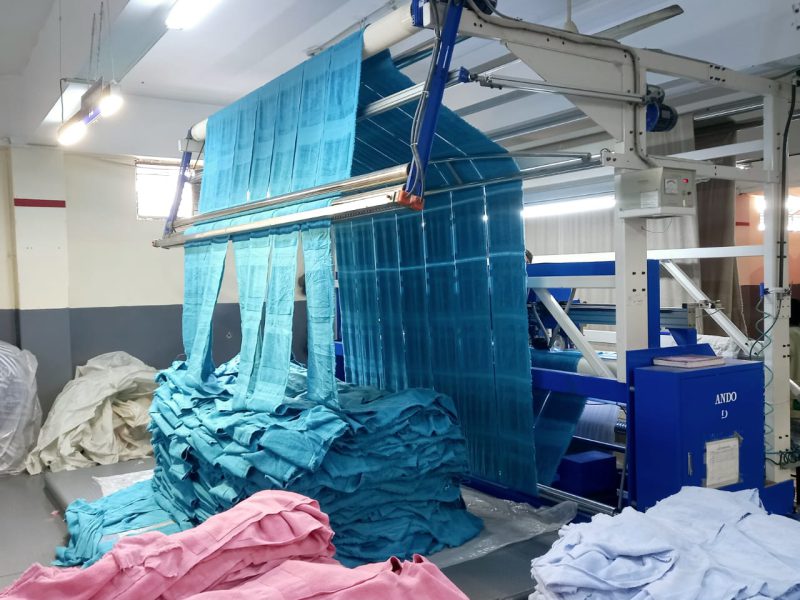
At the heart of any high performance production line lies the ability to divide wide fabric rolls into exact widths without fraying or stretching. Modern slitting units utilize circular rotary blades paired with electronic sensors to track material movement down to the millimeter. Auto length measuring modules calculate the exact dimensions required for hand towels, bath sheets, or beach towels before triggering instantaneous cuts. This eliminates the guesswork associated with manual measuring tapes and chalk markings.
Furthermore, integrated tension control systems regulate fabric drag dynamically as rolls decrease in diameter. Constant tension prevents the fabric from skewing or puckering during the slitting phase, ensuring that every piece remains perfectly square. Operators can adjust parameters through intuitive touch screen interfaces, storing multiple recipes for different GSM weights and loop densities. Such mechanical reliability reduces setup times between product batches, allowing plants to switch production lines rapidly based on incoming customer orders.
Optimizing Operational Efficiency Through Automated Finishing
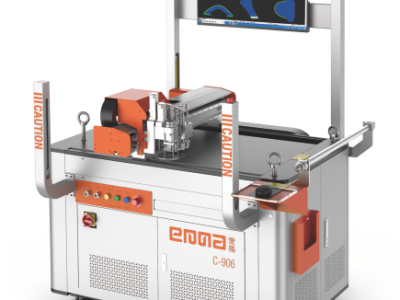
Finishing represents one of the most labor intensive segments of textile manufacturing. Unfinished edges must be folded and stitched cleanly to prevent unraveling during heavy industrial laundering cycles. Automated hemming units utilize specialized folding guides and high speed sewing heads capable of delivering up to eight stitches per inch at speeds exceeding twenty meters per minute. These systems handle side hemming and end turning simultaneously, drastically reducing the number of handling steps required per towel.
Cross cutting mechanisms work in tandem with hemming modules to separate continuous fabric streams into individual finished items with pristine square corners. Vacuum assisted waste removal chutes capture loose threads and lint instantly, keeping the workspace clean and preventing mechanical jams. By removing manual intervention from the folding and cutting chain, plants eliminate repetitive strain injuries among workers while achieving a level of finish consistency that manual operators cannot replicate over long hours.
Mitigating Production Waste and Resource Consumption
Sustainable manufacturing practices have transitioned from optional corporate goals to mandatory operational requirements. Industrial machinery accounts for substantial water, steam, electrical, and raw material consumption. Outdated equipment frequently leads to high scrap rates due to misaligned cuts or thread bunching, sending valuable cotton straight to the waste bin. Modern automated processing lines incorporate intelligent optical sensors that detect fabric flaws early, pausing or rerouting material to minimize wasted yardage.
Energy efficiency remains another critical pillar of advanced textile engineering. Variable frequency drives optimize motor speeds according to real time load requirements, cutting unnecessary electrical draw during idle periods. Advanced drying and washing systems utilize multi pass airflow designs to extract moisture uniformly across the entire material width, reducing thermal energy waste. By lowering resource consumption per kilogram of finished product, textile companies improve their environmental compliance while substantially lowering operating expenses.
Enhancing Product Quality and Market Competitiveness
Global buyers expect flawless construction, superior absorbency, and immaculate presentation from every textile shipment they receive. Even minor visual defects can lead to rejected container loads and damaged brand reputations. Automated manufacturing hardware eliminates human fatigue related inconsistencies, ensuring that the five hundredth towel off the line matches the first one precisely. High resolution inspection cameras integrated into the exit paths flag any stitching skips or surface blemishes automatically.
This rigorous quality control enables manufacturers to target premium export markets where tolerances are exceptionally tight. Retailers reward consistency with long term supply contracts, knowing that the delivered goods will meet strict dimensional and aesthetic requirements. Additionally, the speed advantages provided by modern automation allow plants to fulfill large volume seasonal orders within compressed delivery windows, capturing profitable market opportunities that slower competitors miss.
Future Prospects of Smart Industrial Warehousing Integration
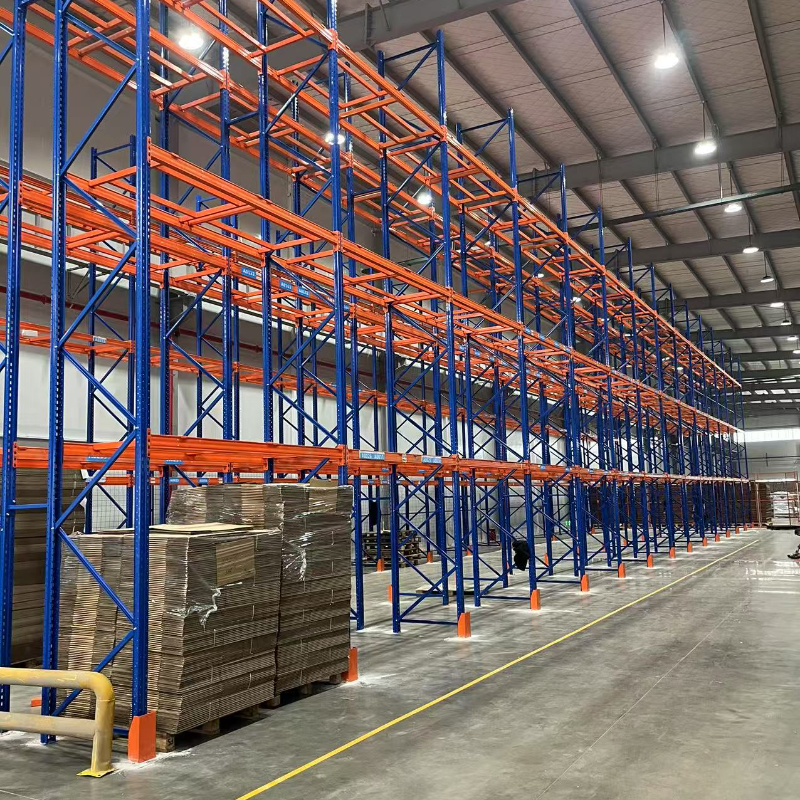
The evolution of textile plants extends beyond the factory floor into storage and distribution logistics. Modern production facilities increasingly adopt smart warehousing solutions, including automated pallet racking, radio shuttle systems, and powered conveyor lines. These systems interface directly with production software to track finished towel bales from packaging stations directly to designated storage bays without manual handling.
Overhead sorting and automated inventory tracking reduce dispatch errors and accelerate loading times for outbound freight. Integrating automated machinery with warehouse management systems creates a fully transparent ecosystem where management can monitor real time output metrics, inventory levels, and maintenance schedules from a centralized dashboard. This holistic approach minimizes bottlenecks, optimizes floor space utilization, and positions manufacturing operations for scalable long term growth.
Elevating Production Standards Through Expert Engineering Partnerships
Achieving peak operational performance requires more than just acquiring isolated hardware components. Industrial leaders partner with established engineering specialists who bring decades of industry experience, comprehensive project management, and unwavering technical support. With over twenty years of excellence in delivering cutting edge machinery, trusted providers offer end to end solutions ranging from initial plant layout consultation to precise installation, operator training, and rapid response maintenance services.
Installations spanning multiple countries and hundreds of successful production lines demonstrate a proven commitment to empowering textile manufacturers with reliable, energy efficient, and cost effective equipment. By combining robust machinery such as advanced hemming units, auto length slitting systems, industrial washing equipment, and intelligent warehousing solutions, plants achieve optimal production standards. Exploring the comprehensive offerings available at Texserco allows facility owners to upgrade their operations with world class technology tailored to meet demanding global benchmarks.
Conclusion
Navigating the complexities of modern textile markets requires a strategic shift toward advanced engineering and automated infrastructure. As operational costs fluctuate and consumer quality expectations rise, embracing mechanical efficiency is no longer optional for long term survival. Automated production lines provide the consistency, speed, and waste reduction necessary to maintain high profitability in a competitive global arena.