
The printing landscape has shifted dramatically over recent decades, moving far away from the rigid constraints of traditional screen printing and analog techniques. Modern manufacturing plants and creative studios demand unprecedented flexibility, speed, and vibrant color fidelity across unconventional materials.
As consumer expectations evolve and customized short-run production becomes the norm, industries require advanced solutions capable of handling rigid substrates and flexible sheets alike. This technical progression bridges the gap between massive industrial output and highly detailed artistic precision without sacrificing efficiency or operational uptime.
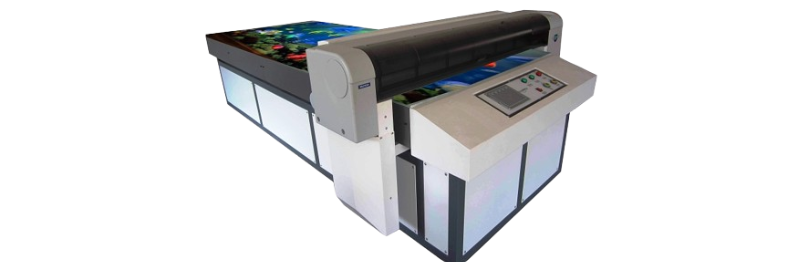
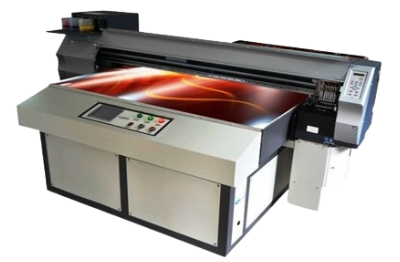
To meet these rigorous demands, advanced production facilities rely heavily on Flatbed Digital Printers. These specialized systems utilize high-resolution ultraviolet curing inks and precise optical positioning to deposit rich pigments onto wood, glass, acrylic, metal, and thick leather with remarkable durability and flawless edge-to-edge clarity.
Substrate Versatility Across Rigid and Flexible Materials
The primary advantage of contemporary flatbed systems lies in their exceptional ability to interface with virtually any solid surface. Unlike traditional roll-fed equipment restricted to paper or fabric, a flat horizontal bed securely anchors heavy panels, architectural glass, ceramic tiles, and corrugated plastic without shifting during the printing cycle. Vacuum suction zones maintain absolute stability across the entire printing area, preventing any microscopic distortion or misregistration during multi-pass color layering.
This versatility empowers manufacturers in signage, interior decoration, and promotional product fabrication to expand their product portfolios instantly. Operators can transition from printing delicate photographic films to heavy wooden doors within minutes, simply by adjusting the printhead height clearance. Such adaptability eliminates the need for multiple specialized machines, drastically reducing floor space requirements while streamlining capital investment for growing businesses.
Precision Engineering and Optical Positioning Technology
Achieving photographic quality on industrial scales requires exceptional mechanical stability and advanced software calibration. Modern flatbed units integrate sophisticated linear encoders, high-speed piezoelectric printheads, and intelligent data programming to control droplet volume and placement down to the picoliter. Infrared scanning sensors map the contours of incoming workpieces automatically, ensuring that printheads maintain an optimal microscopic gap above irregular or warped surfaces.
Furthermore, multi-pass printing techniques allow operators to layer clear varnishes over pigmented inks, creating textured three-dimensional finishes, tactile braille signage, or high-gloss protective coatings. This precise control over droplet deposition transforms flat surfaces into rich, tactile experiences that command higher market value and satisfy the most stringent commercial quality standards.
Optimizing Workflow Efficiency and Eliminating Production Bottlenecks
Integrating digital printing machinery into an established production line requires careful consideration of workflow ergonomics, file preparation pipelines, and maintenance protocols. Traditional plate-making processes often introduce significant lead times and setup costs, making short runs economically unviable. Digital workflows bypass physical plates entirely, allowing designers to modify graphics, execute variable data runs, and print personalized items on demand without incurring setup penalties.
Maintenance routines have also become remarkably streamlined through automated purging systems, capping stations, and user-friendly software interfaces. Operators can monitor ink viscosity, temperature, and nozzle health through real-time diagnostic dashboards, preventing unexpected downtime and extending printhead longevity. Proper staff training and structured calibration protocols ensure that machines operate at peak performance across millions of continuous production cycles.
Environmental Sustainability and Waste Reduction in Modern Printing
Environmental responsibility has transitioned from a corporate preference to a core operational necessity across global manufacturing sectors. Older solvent-based printing technologies generated substantial volatile organic compound emissions, requiring heavy ventilation systems and producing hazardous waste cartridges. In contrast, modern ultraviolet-curable printing systems operate on much cleaner chemical formulations where liquid acrylic monomers polymerize instantly upon exposure to high-intensity UV light.
This chemical transition eliminates harmful solvent evaporation, lowers indoor air pollution levels within production facilities, and significantly reduces overall energy consumption. Additionally, the elimination of physical screens and chemical washup baths prevents millions of gallons of contaminated water from entering municipal waste streams. Facilities adopting these sustainable protocols meet stringent international environmental certifications while lowering their long-term operational expenditures.
Economic Advantages of Short-Run Customization and Variable Data
Profitability in contemporary manufacturing depends heavily on agility, inventory optimization, and the ability to fulfill niche market requests profitably. Holding large inventories of pre-printed items ties up valuable warehouse space and introduces the financial risk of obsolescence when design trends shift. On-demand printing capabilities enable businesses to manufacture items precisely as orders are received, slashing carrying costs and eliminating stock waste.
The integration of variable data processing further unlocks lucrative personalization markets, allowing companies to imprint unique serial numbers, custom names, or individualized artwork onto thousands of identical blanks in a single continuous production run. This capability opens direct revenue streams in corporate gifting, bespoke home furnishings, and specialized industrial labeling, giving forward-thinking enterprises a distinct competitive advantage.
Advancing Industrial Manufacturing Through Expert Machinery Solutions
Selecting the right machinery partner determines whether an industrial venture achieves sustainable long-term success or struggles with persistent mechanical bottlenecks. Industry leaders rely on comprehensive machinery suppliers possessing over twenty years of specialized engineering experience and robust technical infrastructure. These trusted providers deliver state-of-the-art textile machinery and advanced printing systems sourced from top global manufacturing brands, ensuring exceptional durability and precision across demanding production cycles.
Beyond initial equipment supply, a successful manufacturing operation depends heavily on professional installation, rigorous site calibration, and comprehensive operator training conducted by foreign-trained engineers and qualified electronic specialists. Access to affordable original spare parts, such as high-performance print heads available at highly competitive market rates below five hundred dollars, ensures that facilities maintain continuous production without incurring crippling maintenance overhead. Comprehensive after-sales support, local service maintenance, and expert consultancy empower new and established businesses to navigate equipment selection, production planning, and cost analysis with absolute confidence.
Conclusion
The rapid evolution of industrial manufacturing technologies continues to redefine the boundaries of creativity, efficiency, and commercial profitability. By embracing advanced machinery systems that combine mechanical precision with versatile application capabilities, modern enterprises can scale their production capacities while maintaining exceptional quality standards. Organizations seeking to elevate their operational output benefit greatly from investing in reliable, high-performance equipment designed for long-term industrial endurance.