
The global textile manufacturing sector constantly seeks innovative methods to elevate fabric aesthetics while maintaining structural integrity. For decades, conventional screen printing methods dominated commercial production floors, yet these techniques often required extensive setup periods and chemical waste management overheads. Modern engineering approaches now prioritize streamlined workflows that accommodate rapid design iterations and smaller batch runs without sacrificing color brilliance or tactile softness.
Designers and mill operators are transitioning toward sophisticated machinery capable of handling diverse textile substrates, ranging from delicate silk and cotton knits to durable polyester blends. This evolution stems from a growing demand for customized apparel, home furnishings, and specialized technical textiles where precision dictates market value. Integrating automated feeding mechanisms with intelligent color calibration software allows producers to achieve remarkable consistency across extensive production shifts.
Aura Digital Textile Printing represents a profound shift in how manufacturers apply intricate patterns directly onto woven and knit surfaces without traditional preparation barriers. By utilizing advanced drop-on-demand piezoelectric print heads, operators can control ink droplet placement down to microscopic tolerances. This level of accuracy eliminates alignment errors commonly associated with multi-screen setups, enabling photographic quality output with exceptional tonal gradations and sharp edge definition.
The Evolution of Fabric Customization and Surface Engineering
Fabric surface decoration has undergone a remarkable metamorphosis over the past several decades. Traditional methods relied heavily on physical engraving and mechanical pressure to transfer dyes onto woven materials, which inherently limited color depth and pattern complexity. Today, advanced engineering principles focus on contactless application methods where ink droplets are propelled through computerized nozzles directly onto prepared textiles.
This transition allows creators to experiment with unlimited color palettes and intricate photographic designs that were previously impossible to achieve through mechanical means. Furthermore, the elimination of engraved screens significantly reduces preparation downtime, empowering production facilities to respond rapidly to changing fashion trends and seasonal consumer demands.
Precision Engineering in Modern Print Heads and Ink Dynamics
The heart of any advanced textile coloring system lies within its print head architecture and chemical ink formulation. Modern piezo-electric print heads utilize microscopic electrical charges to deform internal crystals, expelling precise volumes of ink onto the fabric surface at extreme velocities. This mechanical agility ensures that every droplet lands precisely where intended, forming sharp outlines and smooth gradients.
Optimizing Color Gamut and Sharpness on Complex Fabrics
Achieving vibrant color reproduction across varied textile compositions requires careful synchronization between ink chemistry and fabric pre-treatment. Reactive and disperse inks penetrate deep into fibers, creating molecular bonds that resist fading during industrial washing cycles. By maintaining optimal viscosity and surface tension, modern printing systems prevent bleeding and feathering even on highly absorbent cotton knits and textured surfaces.
Environmental Sustainability and Waste Reduction in Textile Production
Environmental accountability has become a primary operational driver for textile mills worldwide. Conventional printing processes frequently generate substantial wastewater and chemical runoff due to extensive rinsing cycles required between color changes. Advanced digital systems address these challenges by utilizing precise ink dosing mechanisms that consume only the exact volume of dye required for the design.
The adoption of water-based pigment inks minimizes hazardous chemical usage and lowers overall energy consumption during the post-treatment fixation phase, aligning commercial manufacturing with strict ecological standards.
Enhancing Operational Throughput in Commercial Manufacturing
Maximizing factory throughput involves streamlining every stage of the production pipeline, from initial fabric loading to final curing and inspection. Automated material handling systems equipped with intelligent tension control prevent fabric wrinkling and skewing during high-speed printing runs. This seamless integration ensures continuous operation, minimizing manual intervention and reducing operator fatigue.
Overcoming Production Bottlenecks with Advanced Machinery Integration
Integrating high-performance printing units with automated cutting and finishing machinery creates a cohesive manufacturing ecosystem. When printing speeds match subsequent processing steps, work-in-progress inventory decreases significantly. Mills can fulfill custom orders within hours rather than weeks, providing a distinct competitive edge in fast-moving consumer goods markets.
Future Trends Shaping Intelligent Fabric Printing Ecosystems
The integration of artificial intelligence and machine learning is redefining how textile facilities monitor and optimize print quality. Smart sensors embedded within print bridges continuously analyze nozzle performance, automatically compensating for minor clogs before visible defects occur on the fabric.
Predictive maintenance algorithms track component wear patterns, scheduling service intervals proactively to prevent unexpected downtime on busy factory floors. These intelligent monitoring networks ensure consistent output quality over millions of meters of continuous production.
Smart Color Management and Micro Drop Control
Advanced color management software plays a pivotal role in bridging the gap between digital design files and physical fabric output. By factoring in fabric absorption rates and thread densities, color calibration tools adjust ink volume distribution dynamically across every square inch of material. This capability ensures color accuracy from the first meter to the final roll, eliminating costly sample reprints and reducing material wastage. Operators can store specific profile parameters for different fabric types, enabling instant setup adjustments when switching between cotton, silk, and synthetic blends during daily production shifts.
Maximizing Efficiency with Advanced Industrial Automation Solutions
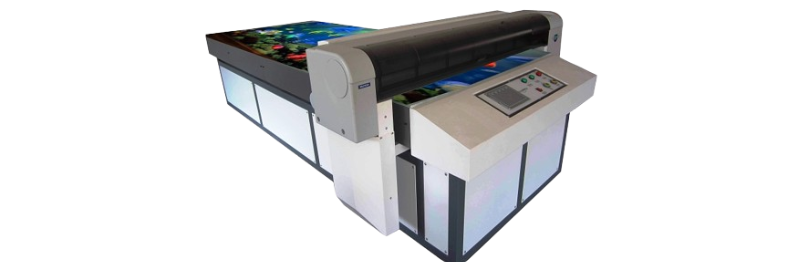
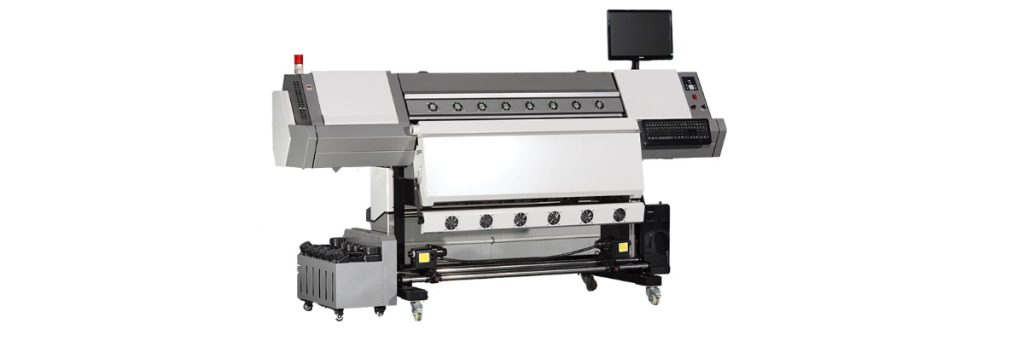
Achieving superior results in textile manufacturing requires robust machinery designed for continuous, heavy-duty operation. Advanced flatbed and roll-to-roll printing solutions deliver vibrant colors, fine details, and sharp resolution tailored for fashion textiles, knitwear, flags, and banners. Featuring cost-effective print heads with replacement costs under five hundred dollars, these systems offer exceptional affordability without compromising on industrial durability. Engineered to serve leading textile mills since April 2004, over five hundred installations worldwide reflect a proven commitment to precision engineering and reliable performance.
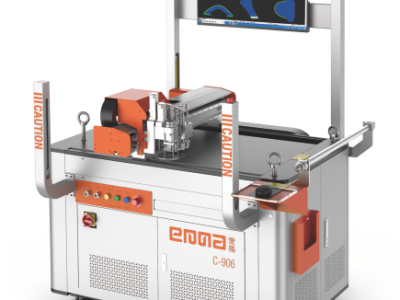
Complete automation packages, including towel automation machines, automated fabric spreading systems, and high-precision laser cutters, empower manufacturers to streamline every aspect of their production floor. Expert technical support and decades of hands-on industry experience ensure seamless integration and maximum return on investment for commercial textile operations.
Conclusion: The Next Era of Smart Fabric Design
The relentless advancement of surface engineering technologies continues to redefine the boundaries of commercial textile production. By embracing precision drop control, sustainable ink formulations, and intelligent machinery integration, manufacturers can achieve unprecedented levels of efficiency and creative freedom.
The ongoing transition toward sophisticated digital textile printing establishes a new benchmark for quality and environmental responsibility across the global textile industry. Modern facilities adopting these methods enjoy reduced resource waste alongside superior design flexibility.
As market demands shift toward rapid customization and sustainable practices, adopting modern automated solutions remains essential for long term operational success. Forward thinking textile producers who invest in robust machinery and advanced digital workflows will undoubtedly lead the industry into a more productive and versatile future.