
Textile production has always relied on the ability to transform raw materials into finished, usable items with consistency and speed. As demand for high-quality towels grows, the processes involved in cutting and shaping these items have come under significant scrutiny. Achieving a perfect edge on a towel is not merely an aesthetic concern; it is a fundamental requirement for durability and functionality. Manufacturers are constantly seeking methods that reduce waste, increase throughput, and ensure that the final product maintains its structural integrity through repeated washing and use.
The mechanical nature of fabric handling presents inherent challenges. When dealing with thick terry cloth or complex woven blends, the tools used to separate the fabric from the bolt can influence everything from the fraying rate to the overall production cycle time. Moving beyond basic manual techniques, the industry has embraced automated solutions that prioritize precision. Understanding these processes is essential for any facility aiming to scale while maintaining high quality standards.
Understanding Traditional Mechanical Cutting Techniques
Traditional cutting methods in the textile industry have long relied on physical force to sever fabric. These systems typically employ a sharp blade, whether it is a straight knife, a rotary cutter, or a sophisticated die-cutting setup. The core principle is simple: a hardened edge is driven through the fabric layers to create a clean separation. While this approach has served the industry for decades, it comes with physical limitations that become apparent during high-volume production.
One of the most persistent issues with mechanical blades is the reliance on friction. As a blade moves through layers of heavy fabric, the friction generates heat. While the blade itself stays relatively cool initially, the constant shearing action creates stress on the fabric fibers at the point of contact. Over time, blades lose their sharpness, and the quality of the cut begins to degrade. This leads to uneven edges, localized pulling of the terry loops, and, eventually, a greater tendency for the fabric to unravel at the seams. Manufacturers using these methods must frequently pause production for blade sharpening or replacement, which directly impacts overall operational efficiency.
The Science and Mechanics of Ultrasonic Fabric Processing
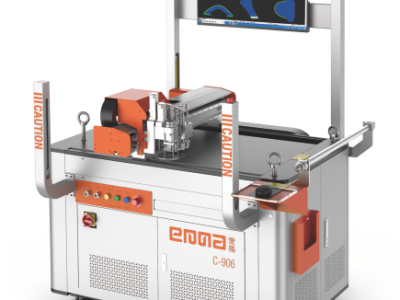
Ultrasonic technology represents a significant departure from mechanical shearing. Instead of relying on a physical cutting edge to tear or slice through fibers, ultrasonic systems use high-frequency acoustic vibrations, typically between 20,000 and 40,000 Hertz. These vibrations are directed through a tool horn to the fabric, where they create localized heat through molecular friction. This heat is precise and immediate, causing the synthetic components of the fabric to melt and fuse together right at the cutting line.
This melting effect is the defining advantage of the technology. By sealing the edge as it cuts, the system effectively eliminates the raw, exposed threads that are common in mechanical cutting. In the context of towel production, where fraying can undermine the utility and appearance of the final product, the ability to create a welded edge is a distinct improvement. Because the process is non-contact in terms of traditional shearing force, it puts less physical stress on the fabric. This allows for cleaner edges on intricate patterns and thicker weaves, providing a level of finish that is difficult to achieve with standard knives.
Ultrasonic vs Traditional Towel Cutting Methods: A Comparative Analysis
When analyzing the operational differences between these two approaches, the choice often comes down to the desired output quality versus the complexity of the equipment. Ultrasonic vs Traditional Towel Cutting Methods is a debate that centers on the specific needs of the product line. Traditional methods remain popular due to their simplicity and lower initial capital requirement. They are effective for natural fibers where melting is not an option or when the specific texture of the cut edge does not require sealing. However, for blended materials or high-end products, the limitations of physical blades become a bottleneck.
In contrast, ultrasonic methods provide superior edge integrity. The decision to switch often depends on whether the manufacturing facility is dealing with high amounts of synthetic content or if they require a product that will withstand rigorous industrial laundering. While ultrasonic systems require more sophisticated control over amplitude and pressure, they offer a consistent result that does not degrade with blade wear. When comparing these systems, operators must consider the long-term maintenance costs of sharpening mechanical blades versus the energy and precision control requirements of ultrasonic systems. Ultimately, the choice influences not just the speed of the line, but the long-term customer satisfaction associated with the durability of the towels being produced.
Efficiency and Throughput in Modern Textile Production
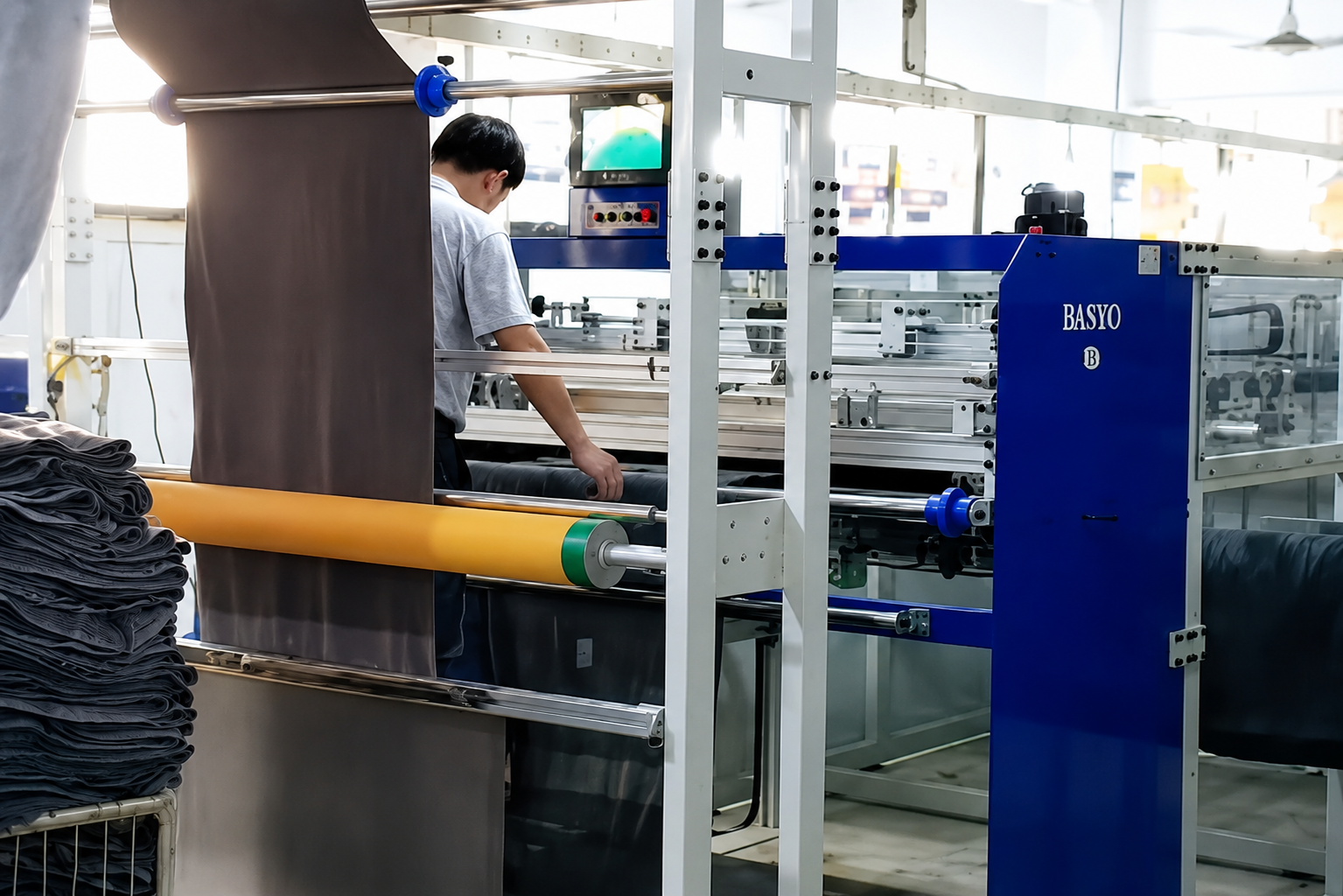
Throughput is the lifeblood of any textile facility. In a competitive market, every second saved during the cutting and hemming phase contributes to the bottom line. Modern production lines have moved away from isolated cutting stations toward integrated systems where cutting, slitting, and hemming happen in a continuous flow. This transition emphasizes the importance of machine reliability. A system that frequently stops for calibration or maintenance is a liability, regardless of how well it cuts.
Automation has bridged the gap between manual labor and industrial-scale production. Modern control systems, powered by programmable logic controllers, allow manufacturers to manage precise dimensions with minimal human intervention. These systems ensure that every towel is cut to the exact same size, minimizing material waste and ensuring that finished goods are uniform. The integration of high-speed sensors and automated material handling allows these machines to run for longer durations, maintaining high output quality without the inconsistencies that often plague manual oversight.
Quality Assurance and Edge Integrity Standards
Maintaining a high standard of quality requires consistent monitoring of the cut edge. Regardless of whether a facility chooses mechanical blades or ultrasonic sealing, the final inspection process is vital. If a blade is dull, the resulting edge will show distinct signs of “pulling” or “bunching,” which can compromise the sewing process during the hemming stage. In high-volume production, these small imperfections can lead to a high rejection rate.
Quality assurance protocols today rely on automated feedback loops. Advanced machines monitor the pressure, heat, and speed of the cutting process in real-time. If the fabric composition changes or if a blade shows signs of wear, the machine can alert the operator or, in more sophisticated setups, make autonomous adjustments. This shift toward proactive monitoring ensures that the integrity of the fabric is preserved from the moment it leaves the roll until it is packaged and ready for the market.
Delivering Advanced Solutions for Textile Finishing
Achieving excellence in textile production requires more than just high-quality machines; it demands a partner who understands the intricacies of the entire manufacturing process. Our expertise lies in providing advanced solutions that transform how facilities handle towel automation. By focusing on cutting, slitting, and hemming, we help manufacturers achieve consistent results that stand up to the highest industrial standards. Our approach is built on decades of technical insight into how fabrics behave during high-speed processing and how to optimize that behavior for maximum output.
We believe that true efficiency comes from the synergy between high-performance hardware and intelligent automation. Our installations feature sophisticated systems that integrate PLC controls and touch-screen interfaces, allowing operators to manage complex workflows with ease. From high-speed hemming machines with advanced sewing heads to precision slitting and cross-cutting systems that minimize material waste, our solutions are designed to address the specific challenges of the towel industry. We pride ourselves on being more than a supplier; we are technical partners who help our clients diagnose production bottlenecks and implement reliable, long-term solutions. Whether it involves fine-tuning machine setups for specific fabric weights or providing hands-on training to ensure your team can operate at peak performance, our commitment is to see your production line run smoothly, efficiently, and profitably for years to come.
Conclusion
The transition toward more precise cutting and finishing methods is a clear indicator of the direction the textile industry is moving. As manufacturers seek to improve quality and reduce material loss, the reliance on advanced automation and intelligent control systems will only increase. By carefully evaluating the requirements for edge integrity and production speed, facilities can make informed decisions that align with their long-term growth objectives. The integration of technology in textile manufacturing has proven that high precision does not have to come at the expense of throughput.
Investing in reliable machinery is the most effective way to ensure consistent performance in a competitive global market. When systems are designed with both durability and user-friendly automation in mind, the result is a production environment that can adapt to changing demands while maintaining a high standard of output. This dedication to precision, from the initial cut to the final stitch, is what sets industry leaders apart.
As we look toward the future, the emphasis will continue to be on sustainable, efficient, and high-quality production. By prioritizing the right tools and fostering a culture of technical excellence, manufacturers can ensure that their products consistently meet the expectations of customers worldwide. The ongoing evolution of how we process these essential items ensures that the industry remains robust, innovative, and capable of meeting the challenges of the years ahead.