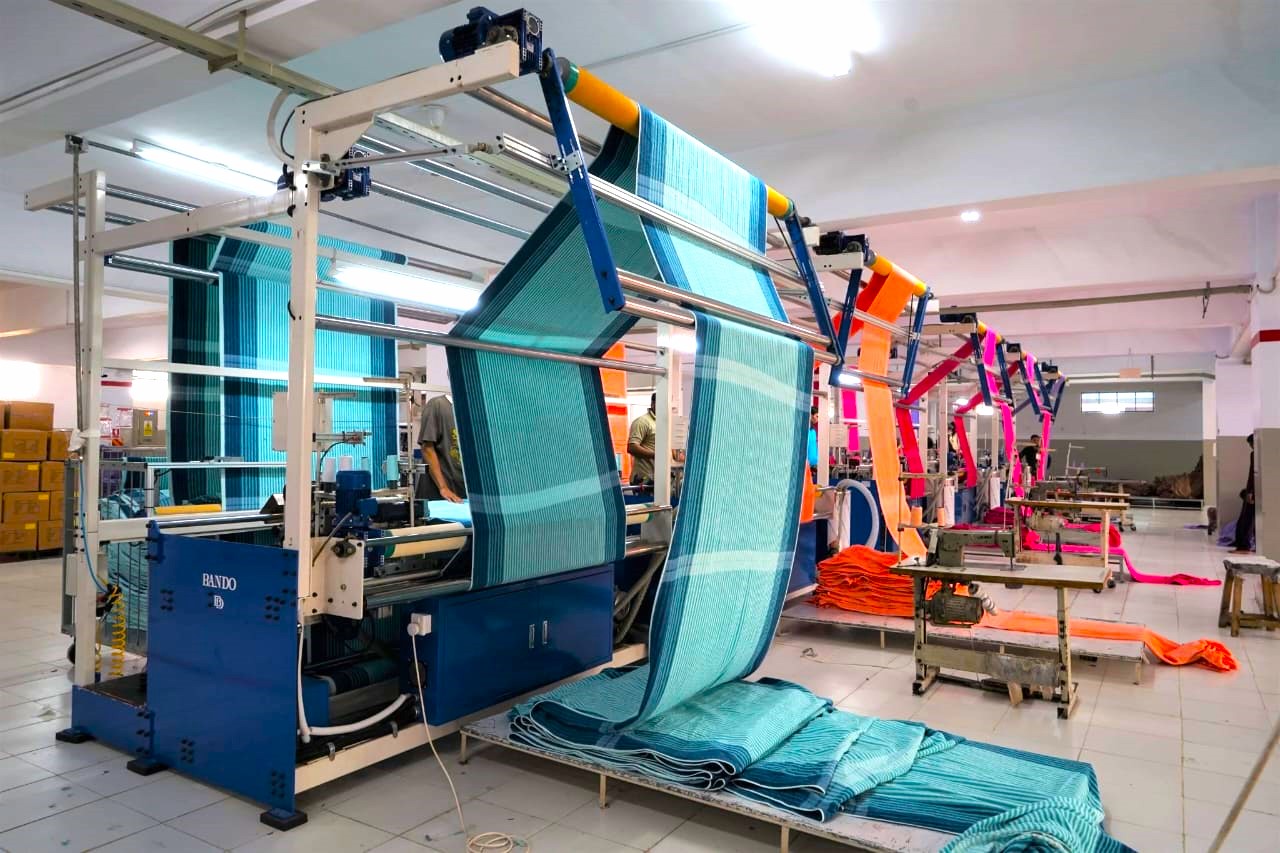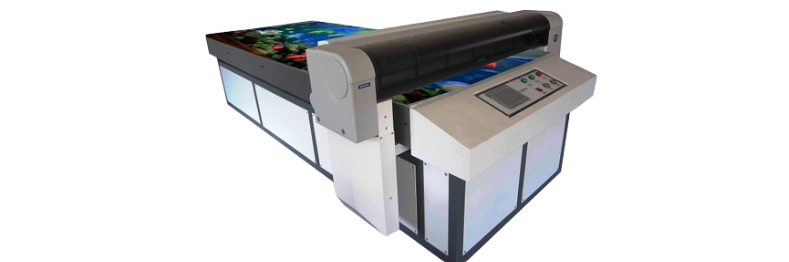


Modern textile mills and industrial apparel factories face acute internal transit challenges once production volume reaches thousands of units per shift. Fabricated bundles, finished garments, and boxed merchandise must flow steadily from sewing sections toward iron finishing, visual inspection, and final packaging. In many conventional plants, operators resort to hand carts, plastic bins, or manual carrying, which causes severe floor congestion, accidental carton drops, and unpredictable transit times. Installing an automated Powered Accumulating Conveyor Line resolves these distribution bottlenecks by providing a continuous, quiet, and reliable transport artery throughout the factory floor.
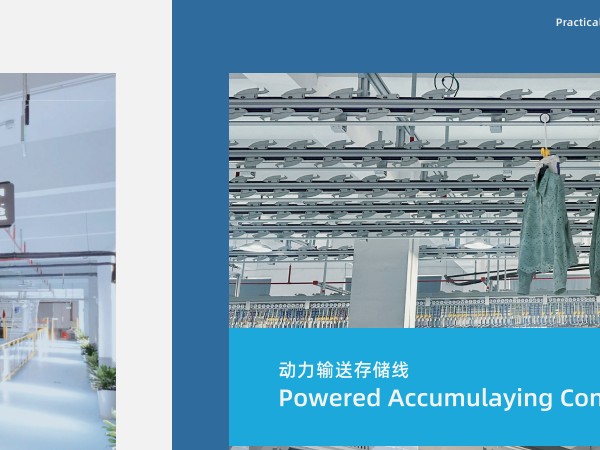
The Principle of Zero Pressure Accumulation
Unlike traditional roller conveyors that apply continuous frictional drag beneath resting loads, zero pressure accumulation technology divides the conveyor run into distinct electrical and mechanical zones. Each zone features its own photo reflective optical sensor, electromechanical clutch or individual motorized drive roller, and localized logic circuit. When a downstream workstation halts intake to change packing tape or inspect a finished carton, the first carton stops cleanly in place over the terminal sensor.
Immediately upon detecting that the terminal carton has stopped, the upstream zone sensor signals its local motorized drive to disengage. As successive cartons arrive along the line, each package halts precisely in its designated zone without making physical contact with the carton ahead. This total separation prevents crushing damage, carton creasing, and package deformation. When the downstream blockage clears, the line discharges products sequentially, restoring uniform spacing and preventing sudden power surges across the plant electrical network.
Mechanical Drive Specifications and Electrical Configuration
Engineering robust internal transport requires heavy duty materials that withstand continuous twenty four hour operation in warm, lint heavy textile environments. The Maidi Intelligence Powered Accumulating Conveyor Line utilizes precision cold drawn steel rollers coated with durable zinc plating to resist surface corrosion and static accumulation. Each roller rotates on sealed precision ball bearings lubricated for lifetime service, preventing lubricant migration that could ruin delicate cotton or polyester fabrics.
The system operates on an industrial 380 volt three phase electrical supply with a nominal power demand of 2.2 kilowatts per primary drive section. Variable frequency drives allow line supervisors to adjust transport speeds smoothly between 12 meters per minute and 30 meters per minute. When delicate garments travel in open top plastic crates, lower velocities ensure stable upright positioning without sudden lurching. Conversely, when sealed corrugated master cartons head toward the loading dock, line managers can increase velocity to clear buffer areas rapidly before shipping deadlines.
Factory Floor Buffer Management and Workstation Coordination
One of the greatest operational assets of this conveyor system is its capacity to act as a dynamic physical buffer between departments with unequal processing rhythms. Sewing lines generate output continuously in small increments, whereas final pallet loading and quality audit stations operate in batches. By installing an overhead or perimeter powered accumulating conveyor line, factory directors create hundreds of meters of live storage without consuming valuable floor workspace.
When packing operators take scheduled rest breaks or shift rotations take place, sewing lines do not need to halt. Instead, finished product boxes accumulate safely along the conveyor buffer zone. When the packing team returns, they activate higher conveyor discharge speeds to clear accumulated cartons in a controlled, orderly sequence. This decoupling of interconnected departments dramatically stabilizes daily factory output and protects overall plant productivity.
Integration with Automated Scanning and Weighing Systems
Modern export compliance demands absolute accuracy in carton weight, item counting, and destination labeling. The powered accumulating line integrates smoothly with automated checkweighers, inline bar code scanner arches, and automated case tapers. Because cartons travel with fixed spacing between individual units, overhead barcode readers achieve first pass read rates exceeding ninety nine percent without needing manual carton reorientation.
If an inline checkweigher detects an underweight carton indicating missing garments, the control logic triggers a high speed pneumatic pusher that diverts the suspect carton onto an inspection spur. Compliant cartons proceed down the main trunk line directly to automated palletizing cells or container loading docks. This automated diversion eliminates human shipping errors, ensuring that every container arriving at overseas retail distribution centers matches customs documentation perfectly.
For detailed machinery specifications and customized layout configurations, explore the Powered Accumulating Conveyor Line product catalog entry for direct engineering inquiries and capacity options.
Preventive Maintenance Protocols for Long Term Reliability
Ensuring uninterrupted transport through seasonal production peaks requires systematic preventive upkeep. Textile manufacturing generates significant airborne lint, sizing dust, and fabric fly that can settle on photo eyes and drive chains. Supervisors should enforce the following structured maintenance routine across every operating shift:
- Daily optical sensor cleaning: Wipe every photo reflective sensor lens with a clean dry microfiber cloth at the beginning of each shift to eliminate lint accumulation that might trigger false blockage alerts.
- Weekly drive belt tension verification: Check the pneumatic or poly V belt tension on motorized roller segments to confirm zero slippage under full load conditions.
- Monthly roller alignment and bearing inspection: Verify that all steel rollers remain perpendicular to the side frame channels and rotate freely by hand when power is isolated.
- Quarterly electrical cabinet dusting: Open the control enclosure, inspect wiring terminal blocks for vibration loosening, and vacuum airborne textile lint using an antistatic industrial vacuum.
- Biannual structural anchor torque checks: Measure floor anchor bolt tightness along all support stanchions to ensure stability against warehouse vibration and accidental forklift contact.
Workplace Ergonomics and Operator Safety Advantages
Beyond material velocity and throughput gains, mechanical conveyor transport yields substantial ergonomic benefits for assembly plant personnel. Factory workers who previously lifted and pushed fifty kilogram carts across rough concrete floors experience immediate relief from lumbar strain and repetitive joint fatigue. Reduced physical handling translates directly into lower injury rates, diminished absenteeism, and improved worker morale across busy export facilities.
Emergency stop pushbuttons spaced at regular eight meter intervals ensure that any operator can halt moving belts instantaneously in case of fabric snagging or foreign object entry. Transparent polycarbonate safety shields enclose all pinch points near drive sprockets, chain transfers, and return bends. When paired with automated barcode scanners and sorting pushers, the powered accumulating line transforms raw factory floor logistics into a quiet, orderly, and highly predictable manufacturing artery.
Commissioning and Calibration Procedures
Proper initial installation determines long term mechanical life and smooth accumulation behavior. During site assembly, technicians must first level all support stanchions using precision laser alignment tools. Even minor floor unevenness can cause heavier cartons to drift toward frame edges, increasing lateral friction and roller wear.
Once mechanical alignment is verified, technicians calibrate photo sensor sensitivity thresholds. In textile environments, carton reflective properties vary between glossy bleached white retailer boxes and rough brown corrugated cartons. Setting sensor gain values correctly prevents premature zone deactivation while guaranteeing positive stopping under all ambient lighting conditions. Finally, variable frequency acceleration ramps are programmed for soft starting, preventing cartons from tipping backward when zones accelerate from dead stops.
Economic Calculations and Capital Payback Period
Investing in automated conveyor lines yields rapid financial returns for export garment mills through multiple cost saving channels. First, factories reduce dedicated transport labor by four to eight workers per production block, redirecting personnel to higher value finishing or quality inspection tasks. Second, eliminating carton drop damage and soilage saves thousands of dollars annually in rejected merchandise and fabric rewashing costs.
Third, consistent transit speeds allow production planners to schedule sewing output and carton packing with minute by minute accuracy. Container stuffing proceeds on schedule without demurrage charges or rush air freight penalties. In typical mid sized apparel mills processing twenty thousand garments per day, capital payback occurs within twelve to eighteen months of initial commissioning.