
Modern businesses operate in a landscape where speed and precision define success. As inventory grows and consumer expectations rise, the pressure on distribution centers to perform at peak capacity has never been higher. Storage density is no longer just about stacking boxes; it represents the backbone of an efficient logistics operation. Without a clear strategy for vertical and horizontal space utilization, warehouses quickly become bottlenecks that slow down the entire supply chain.
Achieving operational excellence begins with understanding the physical limitations of your facility and how to overcome them. Many operations fail because they overlook the correlation between storage layout and workflow velocity. The goal is to maximize every square foot while ensuring that retrieval processes remain fluid and safe for the entire team. By prioritizing flow, organizations can transform their storage areas from cluttered environments into streamlined hubs of productivity.
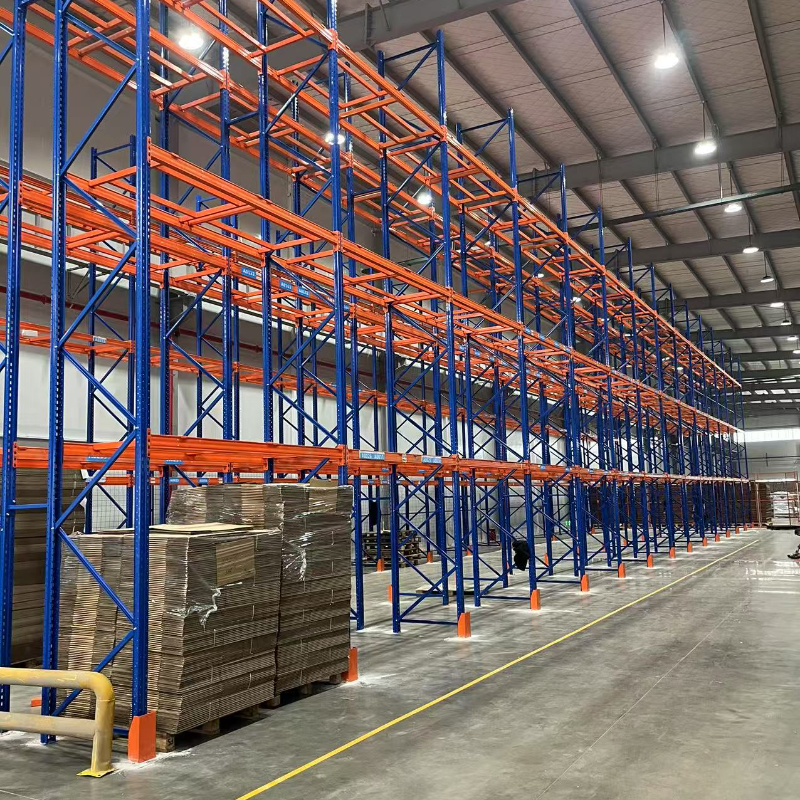
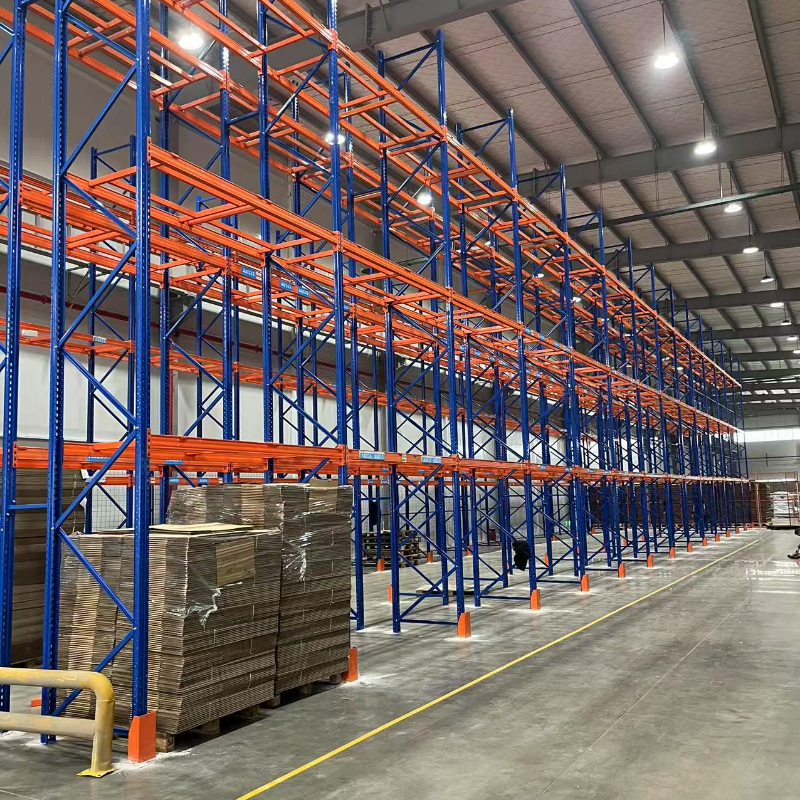
One of the most effective ways to manage this complexity is by installing a reliable Pallet Racking System that aligns with your specific inventory turnover rates. Whether you are dealing with high-volume, fast-moving goods or long-term bulk storage, the choice of equipment dictates the operational tempo of your warehouse. Selecting the right setup allows staff to navigate aisles quickly and ensures that products are accessible without unnecessary handling or safety risks.
Analyzing Storage Density vs. Accessibility
The fundamental challenge in warehouse design is the constant tension between storing as much as possible and accessing it quickly. High-density solutions are ideal for businesses with large amounts of the same product, as they reduce the need for excessive aisle space. However, these systems often sacrifice selectivity, meaning a forklift might have to move several pallets just to reach the one buried in the back.
Conversely, more selective configurations provide immediate access to every pallet but require a larger footprint. To find the right balance, facility managers must audit their inventory profile. If you operate a first-in, first-out (FIFO) process for perishable goods, you need a different layout than a company managing non-perishable bulk stock that stays in place for months. Investing time in this analysis prevents the costly mistake of installing a system that contradicts your operational requirements.
Enhancing Safety and Structural Integrity
Safety is the non-negotiable pillar of warehouse management. When you increase storage density, you also increase the potential for accidents if equipment is not properly maintained or installed. Structural integrity begins with choosing components rated for the specific weight of your loads. Overloading beams or ignoring damage to uprights can lead to catastrophic collapses, putting employees at risk and destroying valuable inventory.
Routine inspections are critical. Small dents or bent footplates might seem trivial, but they indicate that a rack has been impacted by machinery. Establishing a culture of safety involves training operators to report even minor collisions immediately. Furthermore, ensuring that aisles are wide enough for current forklift types and keeping floors clean of debris are simple yet vital steps to maintain a secure working environment for everyone involved.
Streamlining Inventory Flow for Peak Performance
A warehouse should be designed to support the natural movement of products from the receiving dock to the shipping zone. If your layout requires workers to cross paths constantly or backtrack through the facility, you are losing valuable time. Efficiency is found in minimizing travel distance and reducing the number of times each item is handled.
Cross-docking strategies and clear zone separation help keep the floor organized. By grouping items with similar turnover rates together, you can place high-demand products near the shipping area, while slower items occupy more remote sections. This tiered approach to storage reduces congestion, lowers wear and tear on your material handling equipment, and empowers your team to hit their fulfillment targets with greater consistency.
Leveraging Technology in Modern Storage
The physical layout is only half the battle; the other half is digital management. A Warehouse Management System (WMS) acts as the brain that directs the flow of goods through the physical racks. When integrated correctly, these digital tools provide real-time visibility into inventory levels, reducing the likelihood of stockouts or overstocking.
Modern facilities often use barcode scanning and RFID technology to track pallets the moment they enter the building. This eliminates manual record-keeping errors and ensures that the physical location of a pallet always matches the data in the system. When digital tracking works in tandem with an optimized physical layout, the result is a significant increase in picking accuracy, which directly boosts customer satisfaction.
Future-Proofing Your Facility Design
The needs of a business are rarely static. What works for your volume today might be inadequate in two years. When planning your warehouse setup, it is wise to consider scalability. Modular designs allow for expansion or reconfiguration without requiring a complete overhaul of your entire operation.
Anticipate growth by leaving enough clearance for future equipment upgrades or aisle modifications. If you anticipate moving toward automation, such as automated storage and retrieval systems (AS/RS), ensure that your current flooring can handle the increased load requirements and that your layout leaves room for necessary robotic pathways. Taking a long-term view protects your initial investment and prevents costly disruptions when the time comes to pivot.
Expert Solutions for Warehouse Optimization
Creating a space that works as hard as you do requires specialized knowledge and a commitment to quality. Tailoring your infrastructure to your specific load capacities, throughput needs, and facility dimensions is where professional guidance proves its worth. Focus on modularity and durability to ensure that your warehouse environment supports growth rather than hindering it. Implementing reliable solutions from Texserco allows you to benefit from engineered designs that emphasize safety, longevity, and optimized storage patterns tailored for modern operational demands. By refining how you store and retrieve materials, you create a foundation for consistent performance and long-term success.
Conclusion
Refining your facility layout is a continuous process that demands attention to detail and a commitment to efficiency. By analyzing how your team interacts with inventory and choosing storage configurations that prioritize both safety and speed, you build a resilient operation. The key lies in matching your physical infrastructure with your unique throughput demands, ensuring that every pallet serves a purpose.
As your business evolves, your storage strategy should remain flexible enough to accommodate change without losing momentum. Focus on the integration of smart inventory management practices and high-quality structural components to maximize the potential of your available square footage. A well-organized warehouse is the silent driver of profitability, turning logistical challenges into a clear competitive advantage.
For those looking to advance their operations, remember that the most successful warehouses are those that adapt to their specific logistics needs while maintaining a high standard of safety. Investing in professional design and high-quality storage solutions is the best way to ensure your facility supports your long-term business goals.